
When searching for masterpiece anime movies from the ‘90s, it’s hard to go past Studio Ghibli. While Hayao Miyazaki and Isao Takahata produced their magical hand-drawn masterpieces which would capture the hearts of many, another type of revolution in anime was taking place. The ‘90s saw a golden age for anime on the big screen with revolutionary cybernetic action, intense martial arts, psychological horror and pure artistry.
Moving away from Studio Ghibli’s cute fantasy movies shows that the ‘90s was a bold decade for anime movies. With cyberpunk crime dramas, philosophical thrillers, realistic sci-fi and incredible mecha, these films were proof that anime movies can tell complex stories with incredible visuals.
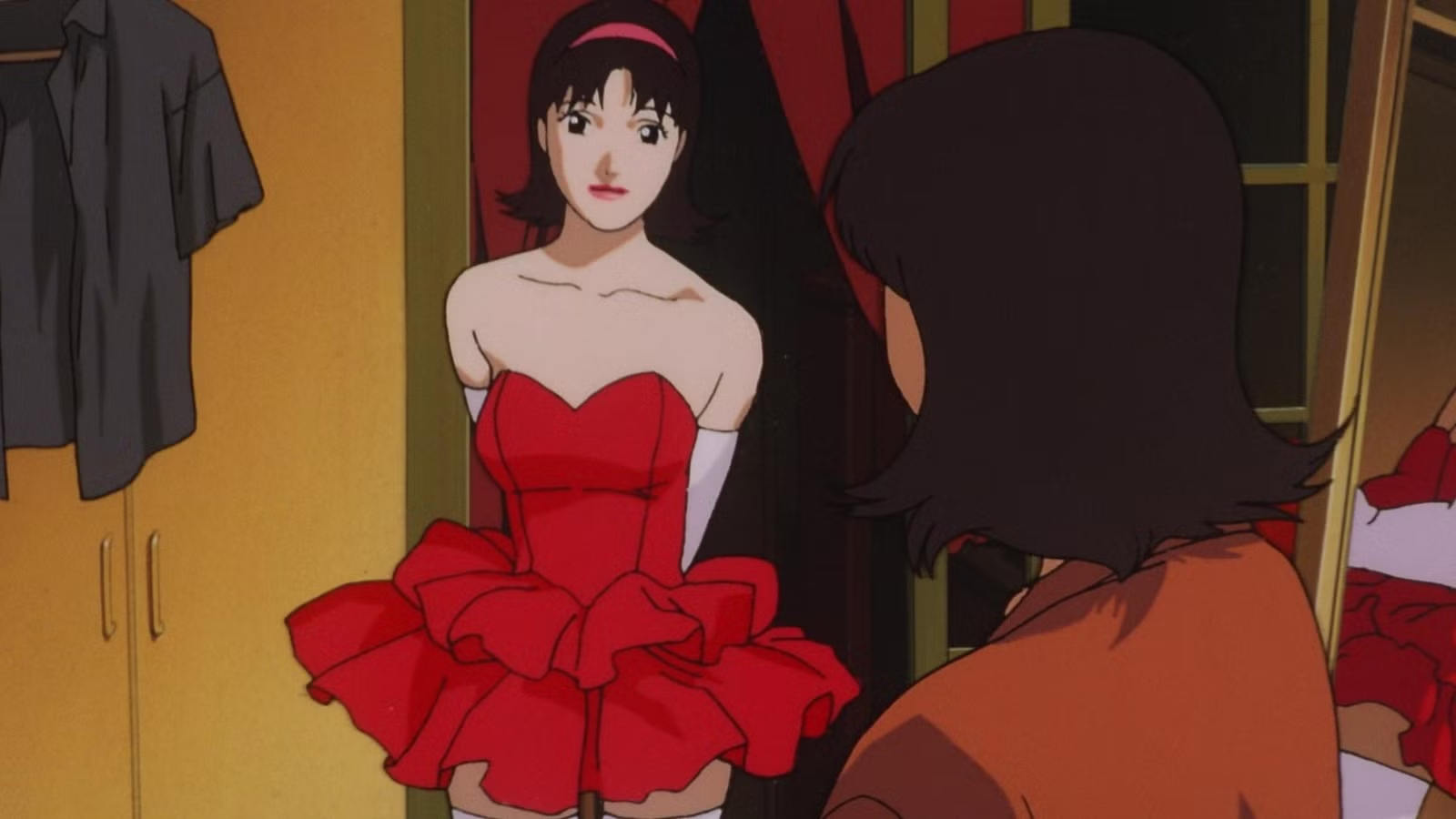
Macross Plus Movie Edition Makes Science Fiction Feel Personal

A lot of science fiction stories focus on the technological aspects, but Macross Plus: Movie Edition really focuses on the human elements driving technological progress. The jealousy, ambition and lingering resentments of the characters add real psychological depth to the futuristic setting. This stops the high tech planes and artificial intelligence from becoming a gimmick.
The film also explores how artificial intelligence is becoming more prominent in entertainment and media today. Sharon Apple’s digital existence causes the audience to question if what they are seeing is real. The story also makes one question emotions and whether technology can mimic human connection.
The film has beautiful intricate designs and exciting aerial combat. Overall the emotional depth and ambitious themes make it one of the best non-Studio Ghibli movies of the ’90s. The combination of intimate emotional conflict and science fiction makes Macross Plus a rewarding example of how anime can make technological anxiety feel deeply personal.
Revolutionary Girl Utena: The Movie Turns Symbolism Into Cinema

The surreal visuals of Revolutionary Girl Utena: The Movie give it a distinctive identity. The film doesn’t try to explain or clarify the symbolism within its visuals. Instead, it uses them to show complex themes around identity, gender roles and individual freedom.
The overall dreamy aesthetic gives the movie a sense of uneasiness. The film combines typical fairy tale visuals with romantic ideals and controlling systems. This suggests that sometimes love and heroism promoted in stories told by society can actually impose restrictions.
The visuals are very experimental making the adaptation very interesting to those who enjoy anime as an art form. This unorthodox style also makes the movie fun to interpret.
Roujin Z Exposes the Absurdity of Technological Progress
-
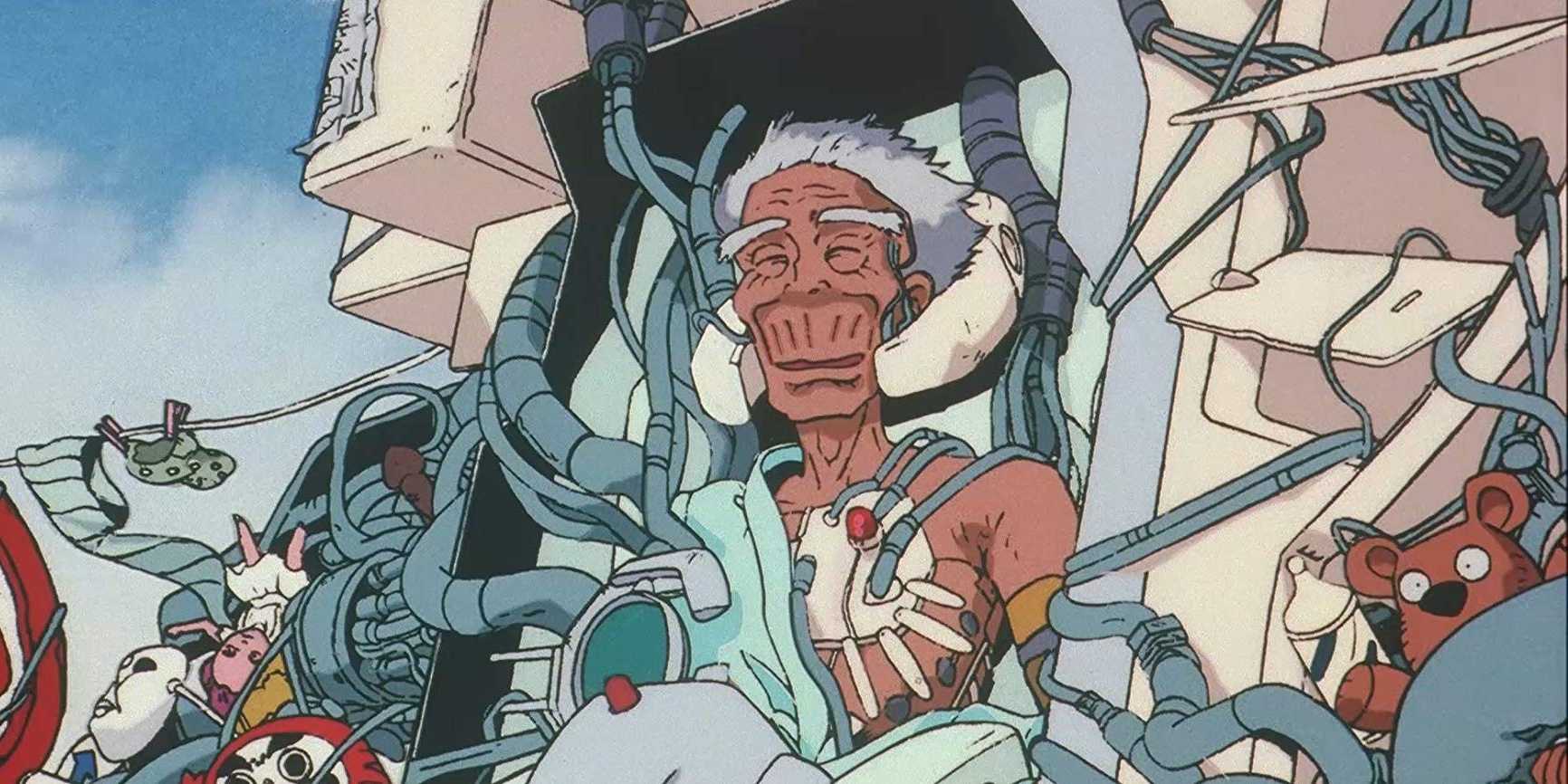 Image via A.P.P.P.
-
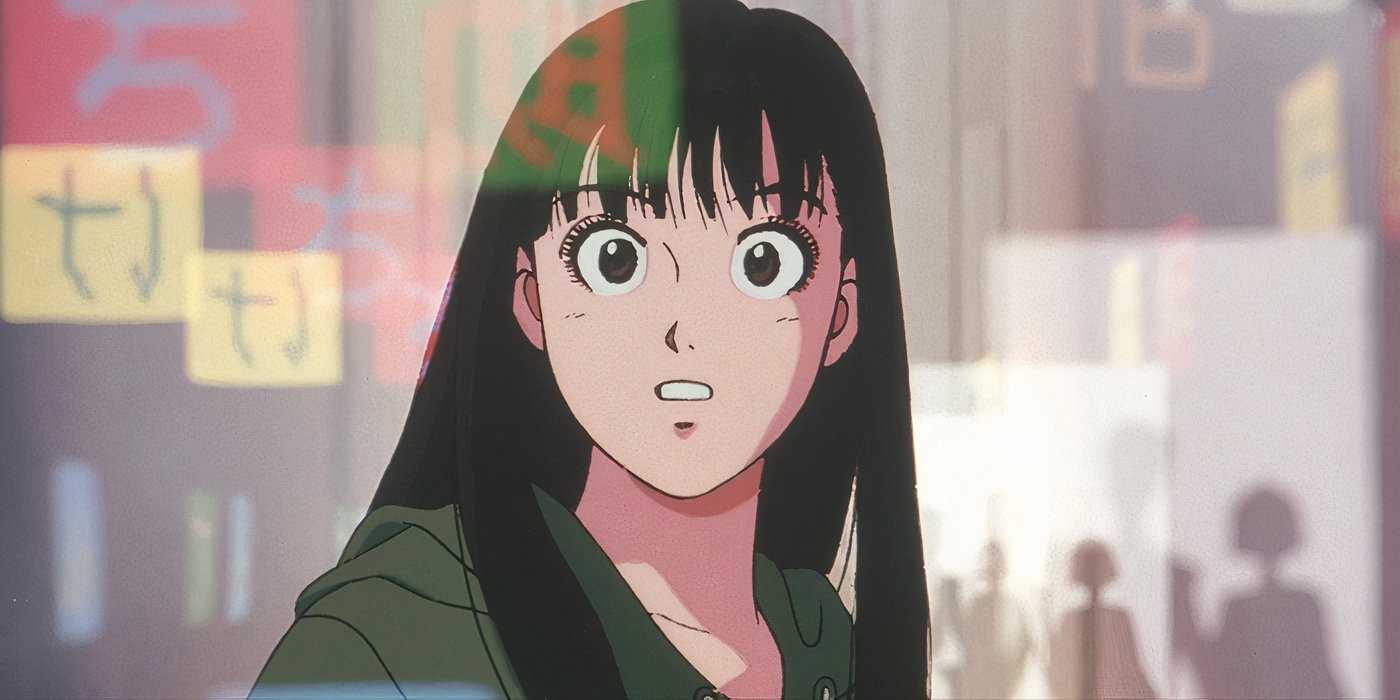 Image via A.P.P.P.
-
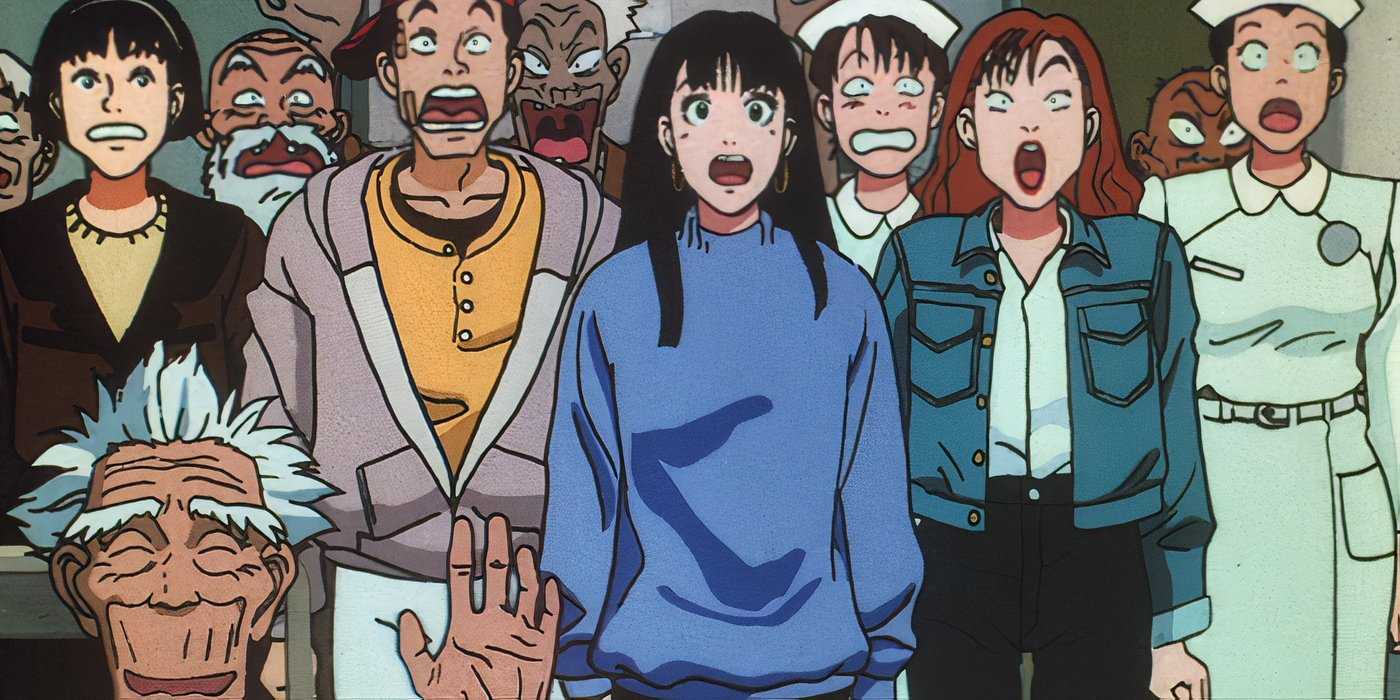 Image via A.P.P.P.
Roujin Z uses robotics to create a dark comedic theme. The film questions if technology is always helping people and its satirical tone questions institutions who see humans as a problem to solve. This creates an absurd theme around replacing genuine care with increasingly complex machines.
The sci-fi elements of the film are very sharp. As the movie looks at issues around caring for the elderly and responsibility within institutions, the over-the-top premise has a surprisingly realistic base.
The film also has the high energy of early ‘90s animation. The technology becomes increasingly absurd, creating a creative mix of comedy and social commentary. This is relevant to anyone who has ever felt like technology could replace empathy.
Street Fighter II: The Animated Movie Elevates Video Game Action
-
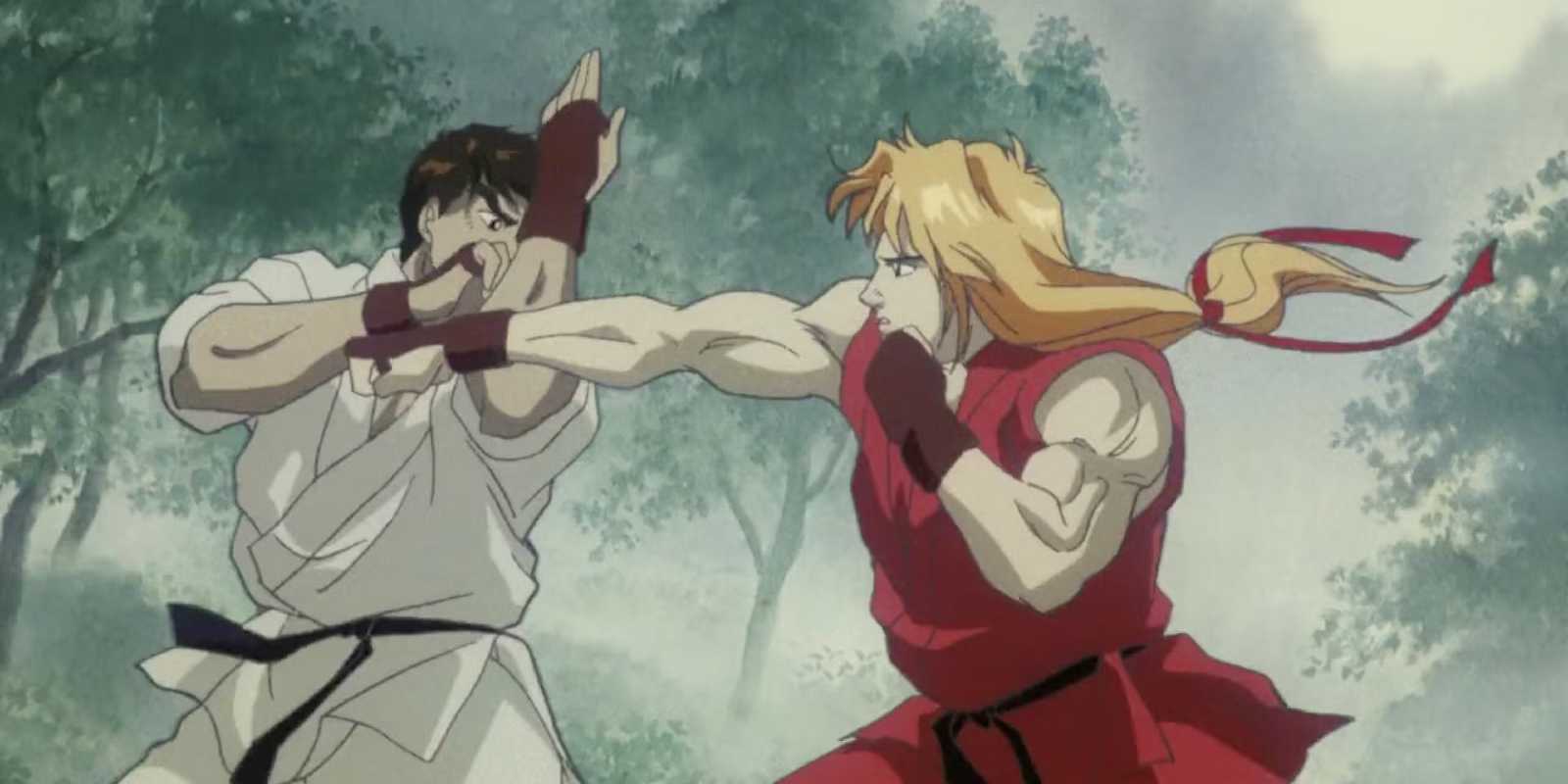 Image via Group TAC
-
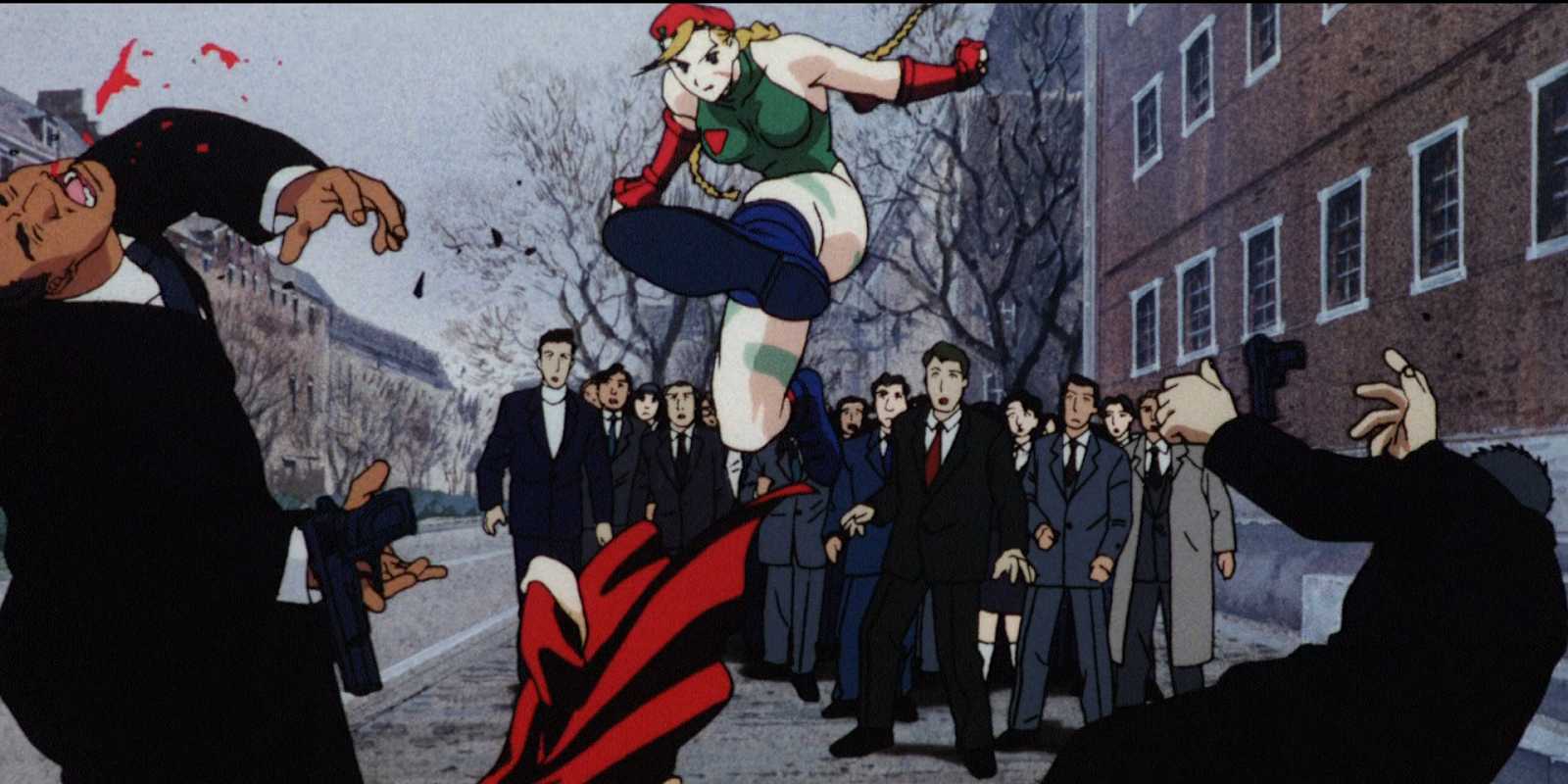 Image via Group TAC
-
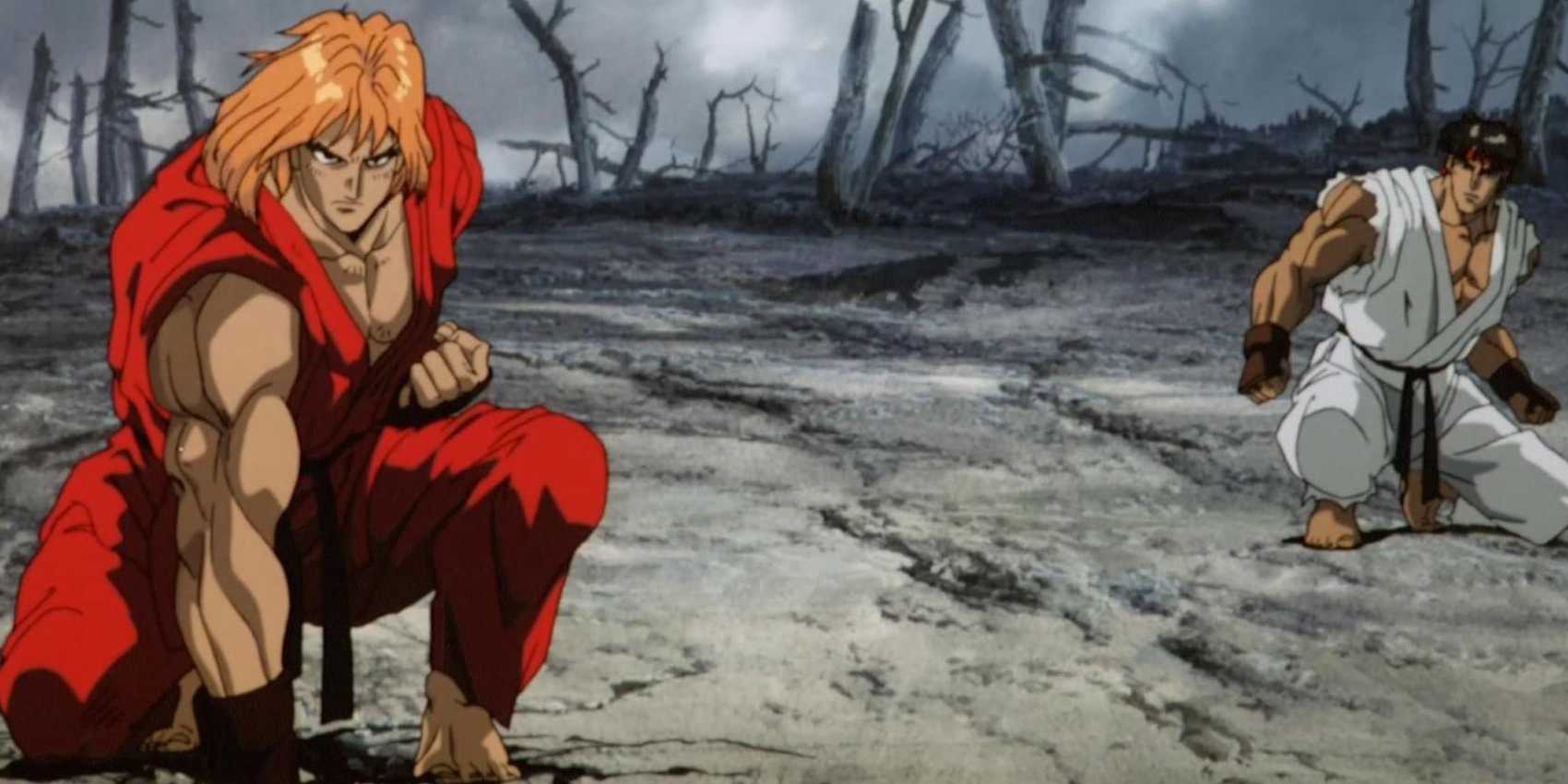 Image via Group TAC
Many adaptations of video games struggle to make characters relatable but Street Fighter II: The Animated Movie understands the appeal of physical action. The characters have great communication through movement, timing and skill. This creates a sense of personality.
On top of that, action sequences have a good balance between spectacle and physicality. The characters have unique fighting styles to help them stand out. Combined with the hand-drawn animation, this creates a satisfying flow to the punches, kicks and counter attacks.
The film shows how anime can create a great visual adaptation of a competitive game. The memorable characters, well-planned action sequences and distinct ‘90s action style makes this an appealing film even today.
Jin-Roh: The Wolf Brigade Questions the Cost of Obedience
-
 Production I.G.
-
 Production I.G.
-
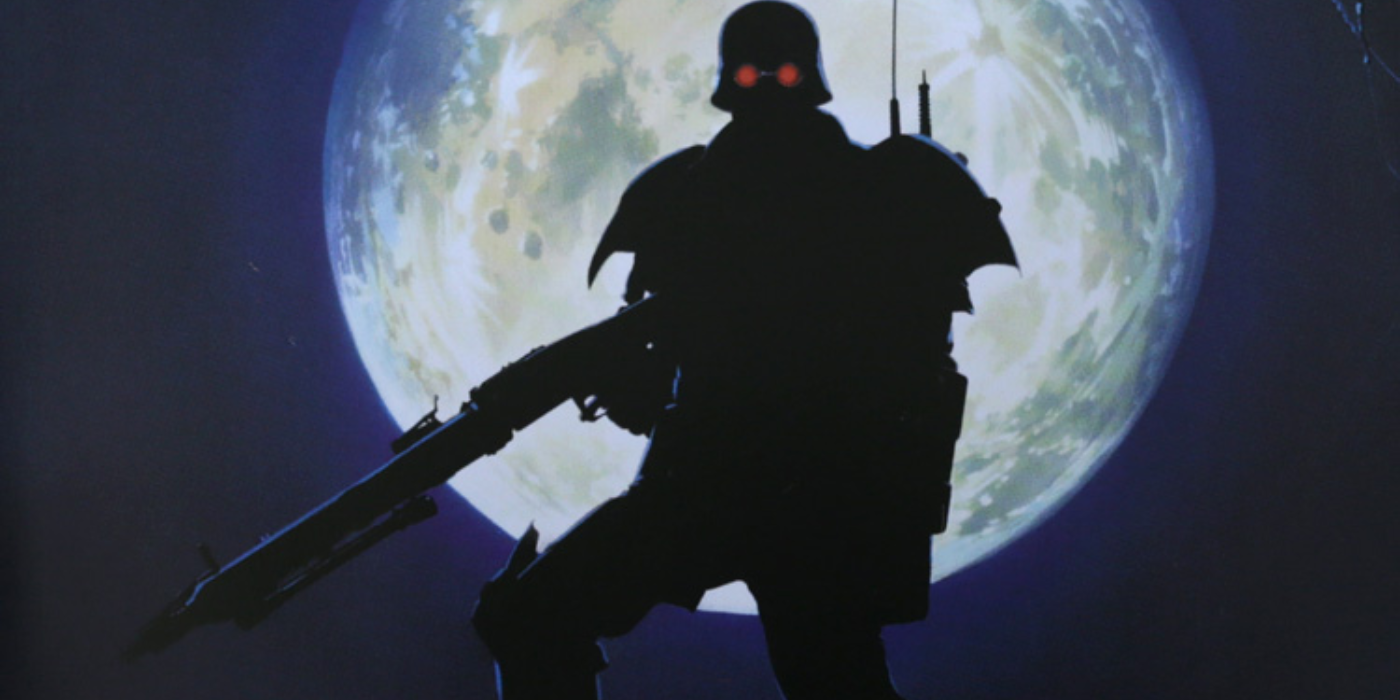 Image Via Bandia Visual
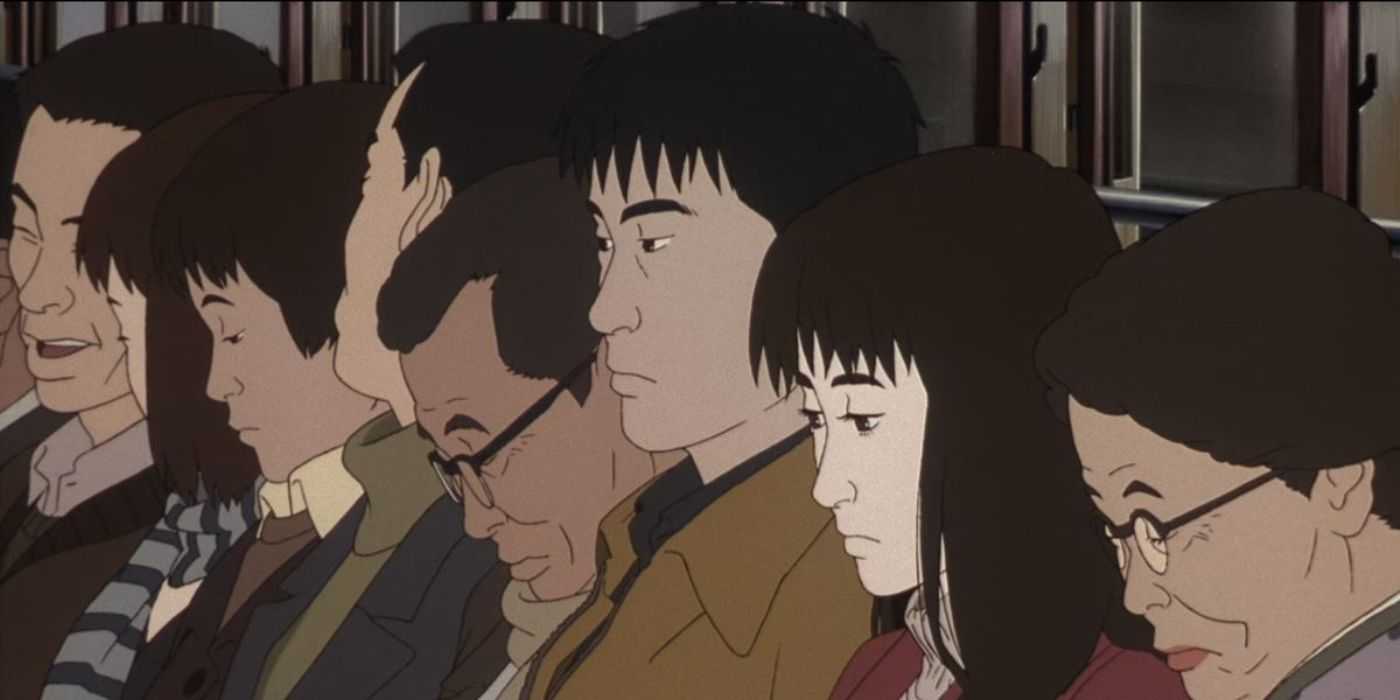
The political violence in Jin-Roh: The Wolf Brigade is unsettling as the film does not present any simple or heroic aspect of power and militarism. Instead, the film takes place in an alternate history where fear, propaganda and conformity controls human beings. The calm dialogue, long pauses and realistic movements give a sense of uncertainty.
This allows the audience to think about the impact of living in a society that rewards obedience. The realistic visuals also help set Jin-Roh apart from more extravagant science fiction anime. The soldiers in armour and city settings have a realistic feel and the dark mood helps emphasize the main theme of dehumanization.
Memories Reveals 3 Different Faces of Science Fiction

Memories uses its three segments to explore how animation can tell stories in very different ways. Each segment has a distinct visual style and tone to it. showing how science fiction can also present psychological horror, technological satire and creepy sci-fi stories.
The anthology really shines when it comes to experimentation. One segment can create a tense and eerie atmosphere while another can be over-the-top and comedic to highlight the arrogance of humans. The animation shows how much creative freedom there was with hand-drawn animation during the decade. Each story has its own visual rhythm instead of following a uniform theme.
The End of Evangelion Makes Psychological Horror Apocalyptic
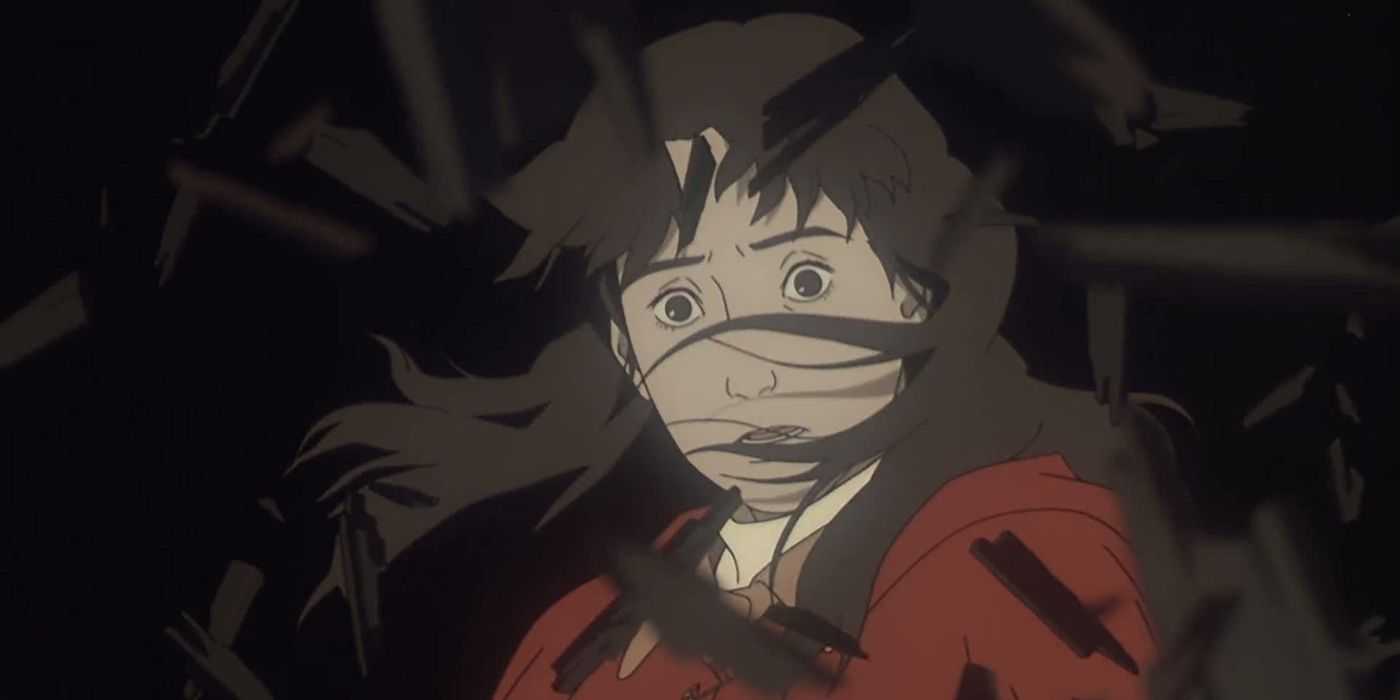
The apocalyptic visuals in The End of Evangelion do more than just set the scene for huge battles. The movie makes the end of the world feel very personal for the ones watching. Moreover, the film also links the end of humanity with the characters struggling with loneliness, self-worth and fear of being vulnerable.
The abstract visuals, unsettling scenes and sudden changes in perspective create an unstable emotional experience. This creates a sense of intentional discomfort. Uncompromising in its emotional intensity and artistic boldness, Hideaki Anno’s masterpiece delivers one of the most stunning and memorable conclusions in animated history.
This is because The End of Evangelion tackles some difficult questions. The extravagant visuals have a real purpose as the film doesn’t see psychological pain as a small issue to overcome. Instead, it puts human vulnerability at the centre of an apocalyptic story.

Few animated action films are as confident with the grotesque elements of dark fantasy as Ninja Scroll. The supernatural elements, brutal fighting and creepy character designs create a world that feels unpredictable and dangerous. This gives the movie a much grittier feel than more fantasy martial arts adventures.
The story brings this brutality to life with fluid and well-detailed animation. The fight scenes are very well-choreographed and dynamic. Even the sword fights have a clear sense of space. The villains’ supernatural powers give a creative edge to the fights. While the atmosphere itself is very strong due to the mixing of historical visuals with monstrous fantasy. This results in a unique world that helped make the adult, action-orientated anime genre popular internationally.
Perfect Blue Turns Celebrity Culture Into Psychological Terror

Perfect Blue really makes viewers feel like their identities are unstable. The movie understands how being a celebrity can create a feeling like one’s identity belongs to the audience. This leaves little room for the characters to have their own identity. Satoshi Kon creates a very unsettling vibe through his editing. The transitions between scenes create confusion and make viewers question their understanding of reality.
The relevance of this movie goes far beyond the entertainment industry. The themes of stalking, intrusive fans and the commercialization of identities highlight some issues that have become even more prominent in recent years with constant exposure online. This makes the psychological horror in Perfect Blue really unsettling.

Choose the anime series with the higher MyAnimeList score.
Sign in to claim your place on the leaderboard!
Ghost in the Shell Redefines the Questions Behind Cyberpunk

Directed by Mamoru Oshii, Ghost in the Shell stands as a monumental pillar of cyberpunk cinema that fundamentally altered the global sci-fi landscape. The cybernetic bodies and digital minds here create questions around what makes people who they are. This movie is a landmark of ‘90s anime due to the intellectual challenges it presents without losing its cinematic appeal.
The long city scenes, pauses and complex technology create a sense of detachment. As a result, Ghost in the Shell’s futuristic setting feels like a place where humans have evolved but still have unanswered questions. The film balances complex visuals and philosophical ideas while the intricate animation makes the imaginary world feel real. Even better, the story’s themes of consciousness, artificial intelligence and personal identity are still relevant today.





Leave a Reply