
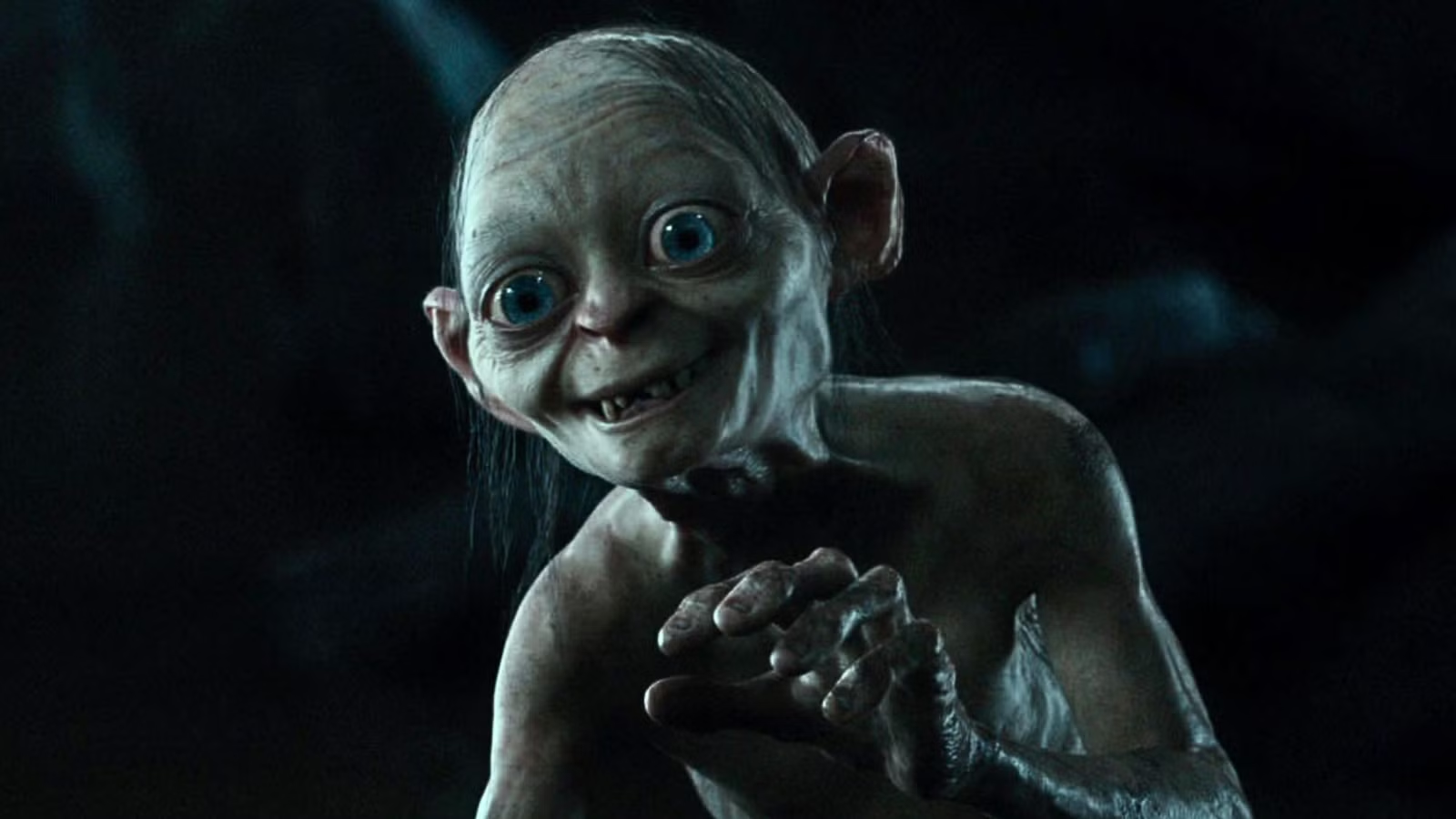
Filming has finally begun on The Lord of the Rings: The Hunt for Gollum, the first live-action Middle-earth film since The Hobbit: Battle of the Five Armies 12 years ago. Directed by Andy Serkis, who will also reprise his role as Gollum, the upcoming film will be a concurrent story set during the first half of The Lord of the Rings: The Fellowship of the Ring, and will detail Strider/Aragorn hunting down Gollum. With the movie set for release in December 2027, 26 years since the release of The Fellowship of the Ring, there have been some questions about how the movie will de-age returning actors like Elijah Wood, Ian McKellen, and even Serkis himself.
Speaking with Variety, Andy Serkis was asked about his involvement with Angel Studios’ Young Washington, a film that recently boasted of using AI. When asked if Hunt for Gollum would use AI, Serkis said, “Not at present, other than some of the de-aging. There’s a little bit of de-aging for some of the characters and machine learning is part of the process.” While Serkis is open to AI as a potential tool, he seems to want to keep the filmmaking practices of the original Lord of the Rings trilogy, saying:
“When you think about it, in the original Lord of the Rings films, Peter created MASSIVE, which was a program which allowed 1000s of orcs to all have their own individual mindset. So that is a brilliant example of an incredible use of AI. But we’re not creating AI shots in our movie. Every shot is created in a traditional way. One of the things actually that I really wanted to do with this film was to bring back all of the great filmmaking skills, from miniatures to prosthetics and marry them up, because that’s my taste. I like it when you mix up different filmmaking techniques.”
-
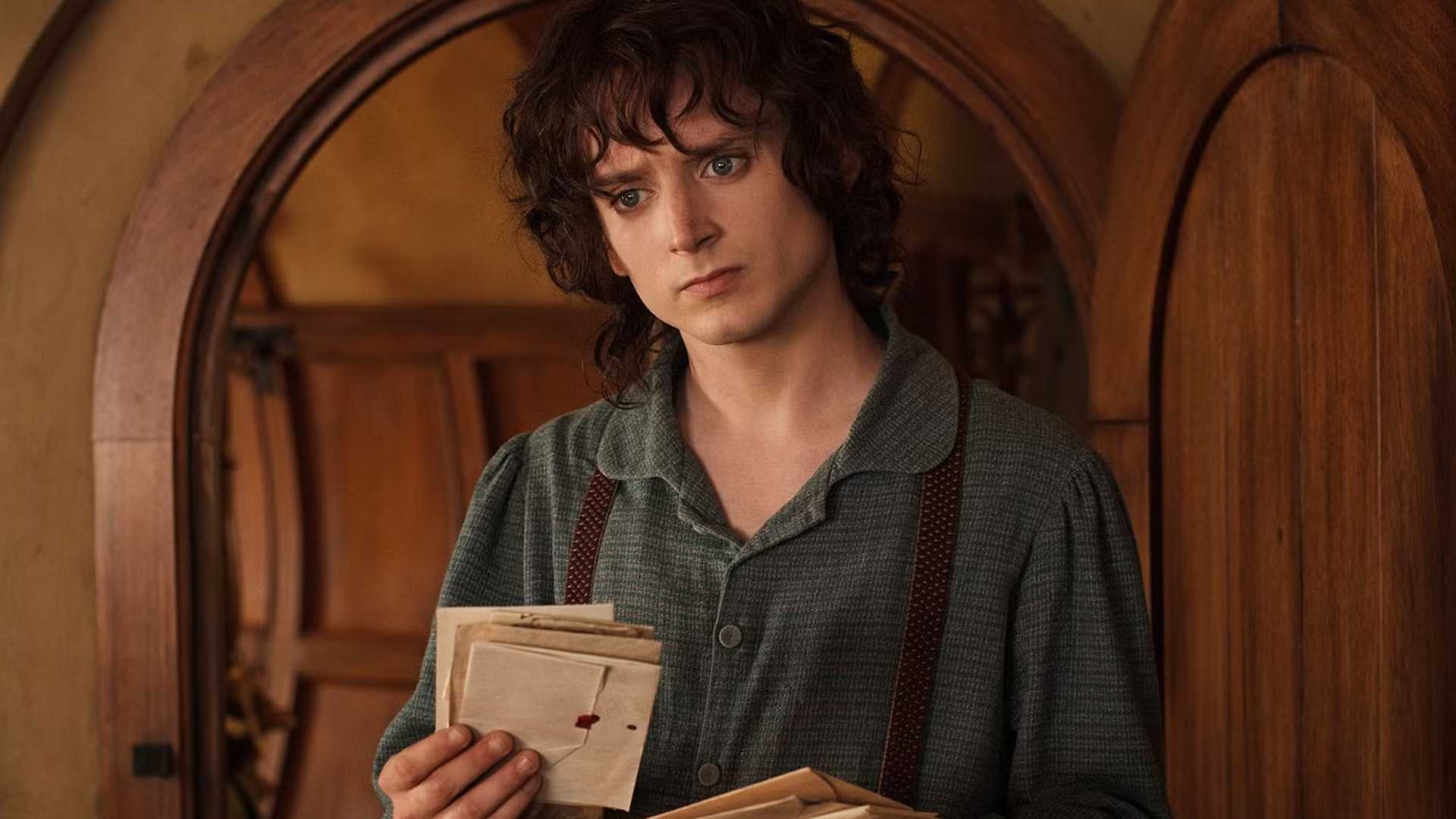
Elijah Wood as Frodo Baggins in ‘The Hobbit: An Unexpected Journey’ Warner Bros. -
 New Line Cinema
 -
 New Line Cinema
Using digital de-aging is nothing new; since 2006’s X-Men: The Last Stand, filmmakers have used digital technology to de-age actors. The practice of de-aging actors instead of recasting has come under heavy fire. The visual often comes off as uncanny and distracting. This becomes particularly troubling when it involves resurrecting a deceased actor for a movie that they cannot agree to star in, as was the case for Christopher Reeve in The Flash or Peter Cushing in Rogue One: A Star Wars Story.
Although movies like Ant-Man and the Wasp or The Irishman used traditional CGI tools, starting in the 2020s, AI has been used to assist with digital de-aging. Harrison Ford was digitally de-aged for Indiana Jones and the Dial of Destiny, while a deepfake face and AI-enhanced voice were used to recreate Mark Hamill as he appeared in 1983 for Star Wars: The Book of Boba Fett. Alien: Romulus used AI tools to help bring Ian Holm’s Rook back long after the actor had died. The already controversial decision to use AI tools at a time when technology has threatened many creatives’ livelihoods intensifies criticism.
While The Hunt for Gollum has recast Aragorn, with Jamie Dornan stepping into the role previously played by Viggo Mortensen, the movie features many returning cast members from The Lord of the Rings and The Hobbit films. Elijah Wood, Ian McKellen, and Lee Pace are reprising their roles as Frodo Baggins, Gandalf, and Thanduil, respectively. AI de-aging technology will seemingly be used to make those actors appear as they did when first cast in their iconic roles. Then there is Serkis himself, who will play Gollum and his pre-transformed self, Sméagol. Not only could AI be used to de-age Serkis during the pre-transformation segments, but it could also be applied to his performance as Gollum. That would certainly cast a dark blemish on Serkis’ and Gollum’s cinematic contributions.


Leave a Reply