

In the tumultuous, post-COVID global landscape, there’s something fundamentally frivolous about getting wrapped up in your own personal dramas. Fascism, corruption, wars, and genocides wage on and impact millions, but for many people, all that tragedy is chatter coming out of our phones and TVs as they try to navigate their careers, their families, their health. The experience of having your micro world crumble around you while the macro world endures a much greater calamity is all too common, and it’s a disorientation captured vividly in “How to Divorce During the War,” a movie about — well, the title says it all, really.
The war in question in Lithuanian director Andrius Blaževičius’ third feature is Russia’s conflict with Ukraine, the film flashing back to the opening days of the invasion in the winter months of 2022. For the Eastern European country, the military occupation hits closer to home than it would in, say, the U.S., a pervasive anxiety that the bloodshed happening in the neighboring countries can soon spill over and hang over the citizens. But for the film’s main characters Marija (Žygimantė Elena Jakštaitė) and Vytas (Marius Repšys), the conflict also serves, in part, as a distraction — a way to avoid unpacking their pain over their messy separation.


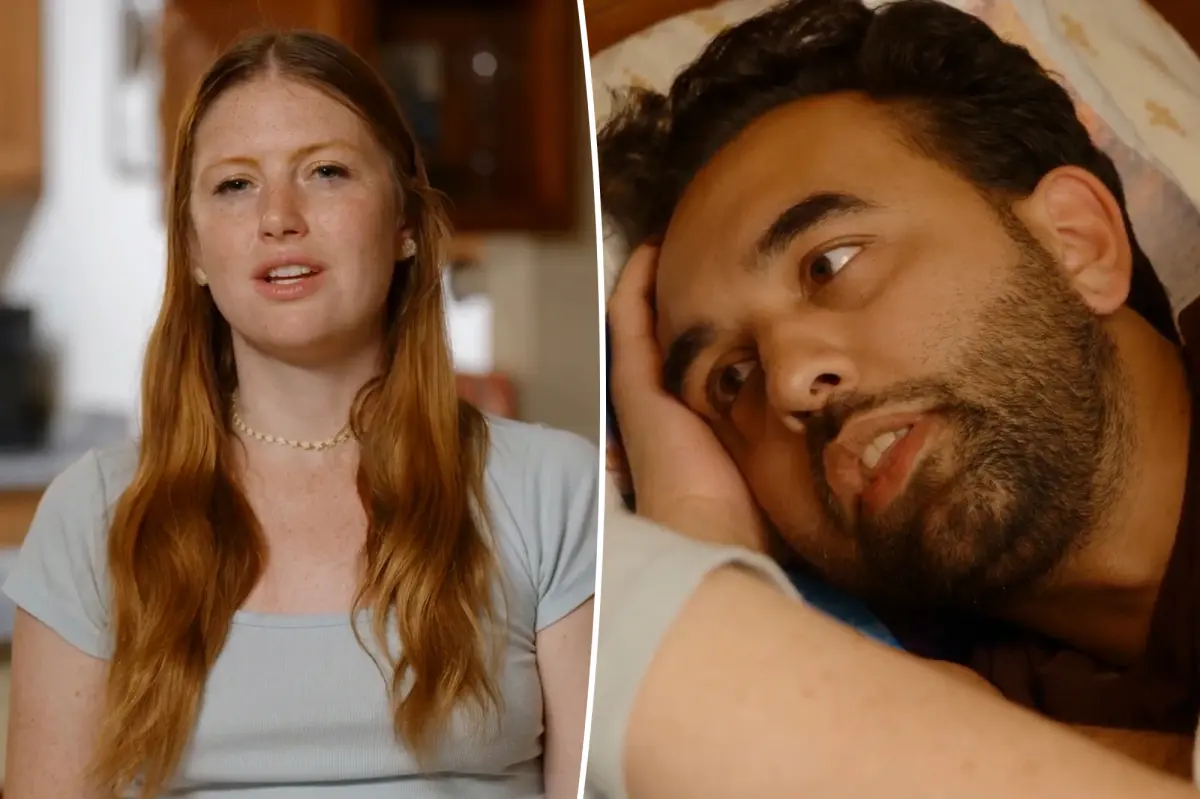
A 20-minute prologue before Russia’s invasion shows the distance between the married couple. Vytas, a well-respected filmmaker, hasn’t made a movie in years, and spends his days setting up a desk chair and looking after their precocious daughter Dovile (Amelija Adomaityte). Marija is an executive at a company that pumps out short-form video slop. She’s also the breadwinner for the middle-class family, whose resentment at her husband’s creative and personal rut — and an affair with a female colleague — fuels her decision to end the marriage.
A brutal fight between the two while they wait in the car for Dovile, filmed mostly via a static shot through the windshield, sees actors Repšys and especially Jakštaitė — otherwise subdued and naturalistic for the material — dig into their characters’ anger toward each other with volcanic intensity. Marija, in tears, laments “life was supposed to be exciting, and it turned out to be some kind of bullshit” and viciously calls Vytas a housewife. Meanwhile, an indignant Vytas accuses Marija of only wanting to drink and party and leave the childcare to him.

The morning after their fight, Russia invades Ukraine, and the two go on with their separation amid the backdrop of sudden social upheaval. Both make token contributions to efforts to support Ukraine, often for selfish reasons. Marija takes in a Ukrainian refugee family, but quickly grows to resent the inconvenience of their presence. Vytas, living at home with his parents and adrift, volunteers to pack supplies and joins performance-art protests covered in red paint, using the experience in part to get his mojo back as a creative.
Mostly, the war is a constant underpinning, shifting the dynamics of their personal and professional lives in various ways. Marija’s company comes under public scrutiny for its Russian branch, while Vytas argues constantly with his parents, who once lived in Russia and spend their days watching pro-Putin coverage of the war. Dovile, who calmly accepts her parents’ divorce when it’s announced to her, lashes out in school by attacking a boy for calling Ukrainians Nazis.
Blaževičius and DP Narvydas Naujalis tend to shoot the characters from a documentary-style remove, favoring often still, wide shots that keep them at a distance; the intermittent and unnecessary use of an aggressively discordant piano score from Jakub Rataj proves the movie’s main aesthetic weak spot. The film’s blocking is less judgmental than unbiased, keenly observing its two leads’ day-to-day lives with an unflinching, detail-oriented gaze and letting the war filter into the scene via news reports blaring in the background.
The results are sometimes dramatic but often dryly amusing, capturing the leads’ cushy lives and their often warped sense of altruism in a series of droll vignettes. At the same time, neither Marija nor Vytas is ever reduced to a caricature. The push and pull between their desire to do good rings true — as does their choice to prioritize their own careers and personal relationships over a much broader international crisis.
At a brisk 100 minutes, “How to Divorce During the War” doesn’t so much take Marija and Vytas on a journey as it watches them go in circles, making leaps of action before retracting the gesture. Tellingly, toward the end of the film, as Vytas finds himself back home for a night in with the family, the two snuggle on the couch with Dovile and change the channel from a news report on Ukraine to a movie. For as much as the two profess throughout the film to care deeply about the war, it’s all too easy when wanted for them to block the noise out.
Grade: B+
“How to Divorce During the War” premiered at the 2026 Sundance Film Festival. Zeitgeist Films will release it in New York on August 21, with a national rollout to follow.







Leave a Reply