

“Is that actually what happened?”
I imagine that will be the main question from audiences who watch Primetime. The film stars Robert Pattinson as Chris Hansen, the Dateline NBC reporter who became nationally famous as a result of his work on the recurring series To Catch a Predator.
In Primetime, Pattinson’s Hansen is obsessively fixated on using To Catch a Predator becoming an even bigger media star. The movie also follows Hansen’s producer (Merritt Wever) as she contemplates a major job offer from a rival network, and a young actor (Skyler Gisondo) who gets hired as one of To Catch a Predator’s decoys with disastrous results.
Primetime is not exactly subtle about its message about reality TV’s insatiable hunger for sensationalism no matter the cost. It’s so unsubtle, and presents such an unflattering portrait of Hansen and his crew, that it’s fair for audiences to ask that question: Is that actually what happened?
In fact, a lot of Primetime is based on documented history — with the caveat that a fair amount of poetic license is taken by director Lance Oppenheim in how he depicts those events. Let’s go through Primetime and separate what’s real and what’s closer to reality TV.
What Was To Catch a Predator?
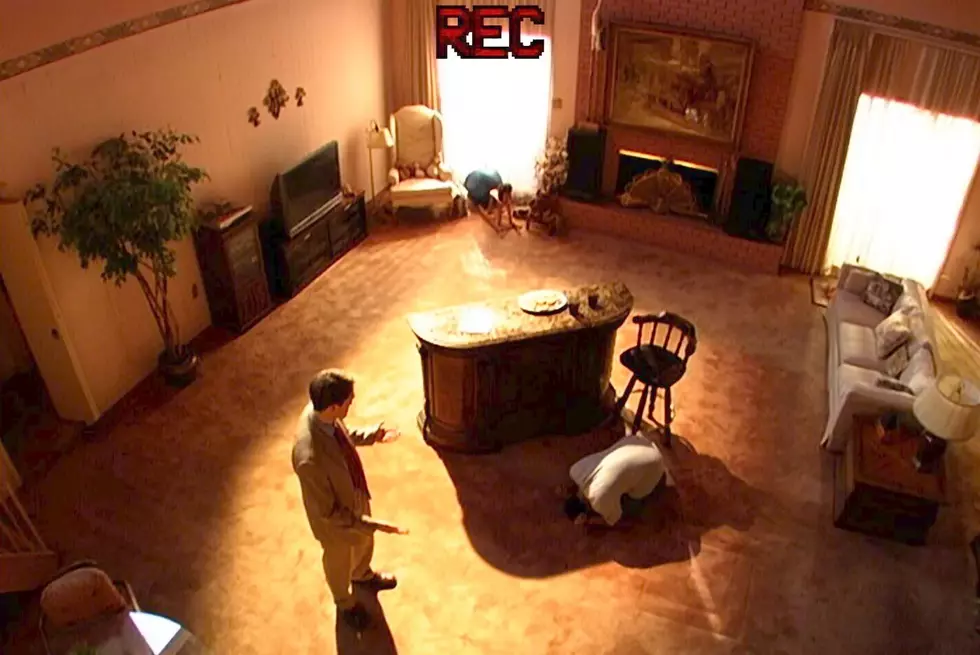
NBC has aired the newsmagazine Dateline NBC since 1992; it’s still on the air today. The show serves as the umbrella program for a variety of true crime invetigations and broader news reports.
In the mid-2000s, Dateline began airing a series of segments called To Catch a Predator, hosted by NBC reporter Chris Hansen. In the segments, Hansen teamed with an online vigilante group called Perverted Justice that visited online chat rooms and message boards searching for men who were prowling the internet looking for young people they could seduce.
On each episode of To Catch a Predator, Hansen and Perverted Justice would travel to a different part of the country, and then use decoys to lure their targets to a home. The targets believed an underage boy or girl would be waiting for them. Instead, they found Hansen, who would confront the predators with transcript of their illicit online conversations. Eventually, when the target would try to leave, local law enforcement would arrive and place the predator under arrest.
There was seemingly no shortage of men interested in these sorts of illegal and immoral activities, and the sting operations took place all over the country — from Florida to Texas to California — suggesting the problem was pervasive and widespread, increasing the program’s impact.
To Catch a Predator drew strong ratings, especially by the standards of Dateline, and it absolutely made Hansen a celebrity. (He made appearances on talk shows like Oprah, The Tonight Show, and Jimmy Kimmel Live!) He continued hosting To Catch a Predator until NBC canceled the series in 2007.
Did Chris Hansen Get Caught Having an Affair?

Primetime compresses reality’s timeline so that multiple real incidents overlap for greater dramatic effect, but about 15 years ago tabloids did target Hansen and report on his alleged marital infidelities.
In Primetime, Chris Hansen tries to reconcile with his wife Mary (Anna Faris) after some sort of indiscretion outside of his marriage. Later, while traveling with the To Catch a Predator crew in Florida, Hansen sneaks out of his hotel to visit a woman he’s been carrying on an affair with. As Hansen tries to break off the relationship, the paparazzi snap pictures of the couple. Later, Hansen will field a phone call from a tabloid trying to shake him down with the incriminating evidence.
Here’s what really happened, at least according to the New York Post: “The married NBC anchor,” they write, “was secretly filmed on a date with a blonde television reporter” as part of “an undercover sting operation arranged by the National Enquirer.” (According to Wikipedia, which is never wrong, Hansen and his first wife Mary divorced in 2020.)
That said, it’s worth noting that this “undercover sting” occurred in 2011, while the show’s disastrous visit to Texas, which happens after that Florida date in Primetime, actually occured in 2006. To Catch a Predator was canceled in 2008, three years before that so-called “sting.”
Did the Sequence in Texas Really Happen?
READ MORE: ScreenCrush’s Full Review of Primetime
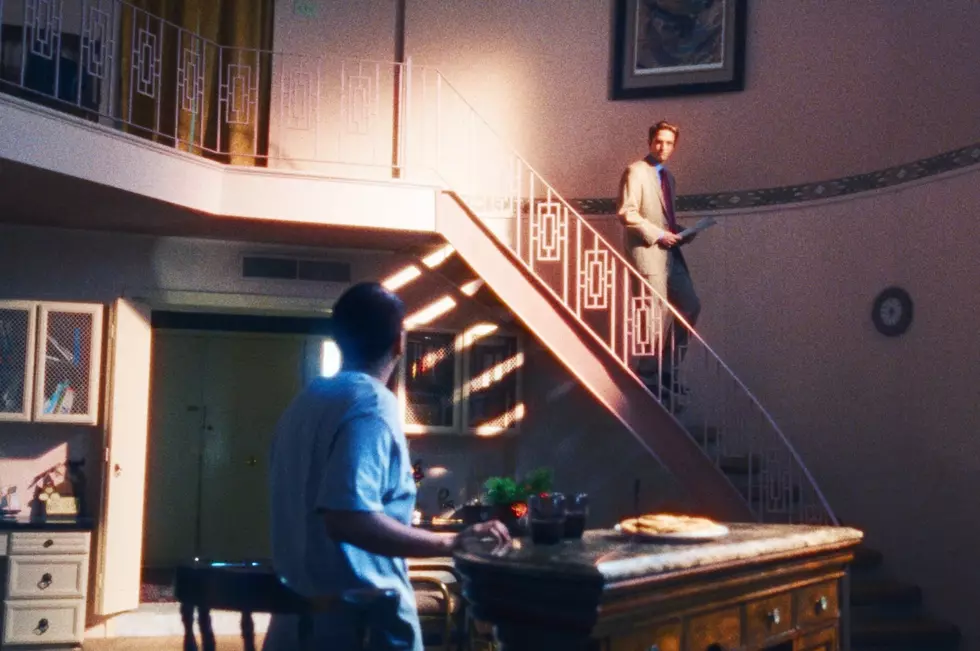
Primetime’s big climax involves To Catch a Predator’s trip to Texas, where the show partners with local law enforcement (including Bokeem Woodbine’s chief of police) to root out potential sexual predators. Perverted Justice identifies a potential target in the region, who turns out to be a district attorney named Bill (played by Alex Winter). When Bill remains wary about accepting the decoy’s invitation, Hansen, his crew, and the police travel to his home and prepare to raid it. As Dan the decoy (Skyler Gisondo) tries to keep Bill distracted by singing a song from the musical Rent, police break into his house and Bill commits suicide by shooting himself in the head.
These events are based on a real incident that occurred in the Dallas area in November of 2006; they’re chronicled in detail in the Esquire article that serves as Primetime’s source material. The film version fudges and exaggerates some of the details — in the movie, the raid on the ADA’s home occurs at night, in reality the police arrived at the house in the morning — but the broader points are largely accurate: To Catch a Predator went to Texas, idenified an assistant district attorney named Bill Conradt as a potential predator, and when they realized he was not going to travel to the location they were using for their televised sting, they instead went to his home. With a SWAT team closing in, Conradt shot himself in the head.
Conradt’s death garnered national headlines and generated enormous controversy around To Catch a Predator. Conradt’s family sued NBC, asking for over $100 million in damages; the case was later settled out of court. And the local district attorney ultimately decided not to prosecute any of the two dozen other men To Catch a Predator caught on camera during their time in Texas.
“The fact that somebody besides police officers were involved is what makes this case bad,” Collin County District Attorney John Roach told NBC News. “If professionals had been running the show, they would have done a much better job rather than being at the beck and call of outsiders.”
What Does Chris Hansen Think of the Movie?

As of this writing, Hansen has not seen the film. In late August, he said publicly that he tried to attend an early screening of Primetime but was denied access by its distributor, A24, because he refused to sign a release form.
“The lawyers at A24 wanted me to sign away my rights to my name, image and brand essentially, as well as any potential legal rights that would come out of the movie,” Hansen said on Jesse Watters Primetime. “I couldn’t sign that, so they didn’t show me the film.”
In a subsequent interview with USA Today conducted on September 23, Hansen said he still had not seen Primetime. Instead, he planned to go to the theater to watch it on opening weekend “like everybody else.”
“I’m going to watch it in New York City,” he told the outlet. “We’re going to bring a crew along, interview some theatergoers afterward and put together a little piece for one of my podcasts.”
Despite the fact that he had not seen the film yet, Hansen did claim that A24 and the creators of Primetime were trying to “exploit the brand that I’ve built over the last 45 years. You can decide whether that’s ethical or legal or identity theft or however you look at it. But it seems a little exploitive, as Hollywood often is.”

The 10 Most Overrated Movies of the Last 10 Years (2015-2024)
These films were box office hits, critical darlings, and award winners. That doesn’t mean we have to agree.








Leave a Reply