
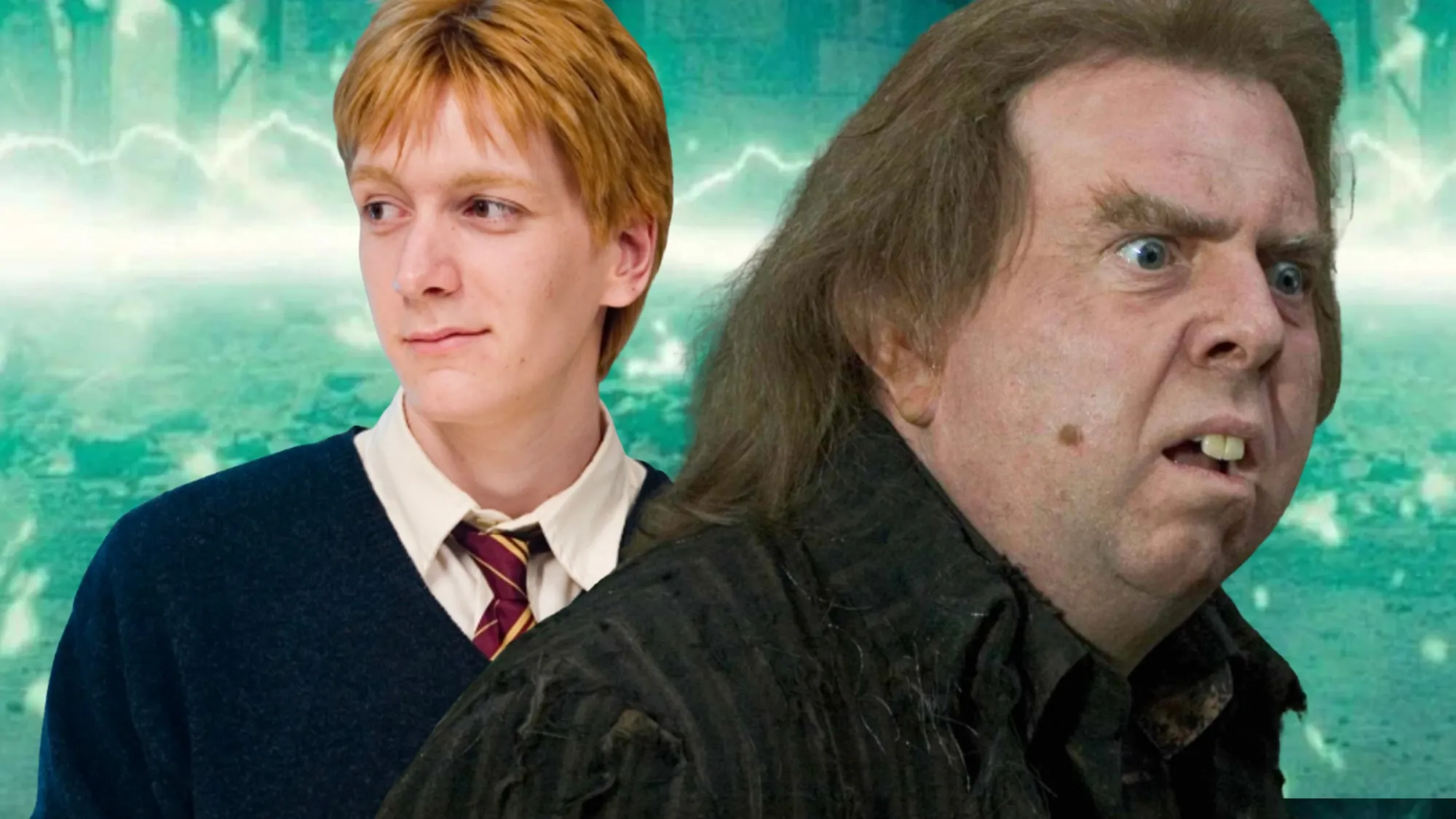
HBO’s upcoming Harry Potter remake is a major opportunity not only to undo some of the biggest changes to the books the movies made, but also to potentially rewrite some of the books themselves. JK Rowling did it for years, so it’s absolutely fine for the new adaptation to take some creative liberties, particularly in the name of narrative difference. That could mean that characters who survived in the original books (and movies) are killed off for effect – though you have to suspect fans would riot online – or others who died are given a reprieve. Perhaps some deaths that happen off screen – like Mad-Eye Moody’s for instance – might be shown? Messing too much with the Harry Potter death list would be a mistake, but the movies actually changed quite a lot when it came to the Grim Reaper, and HBO has the opportunity to undo those changes.
The upcoming series has a lot more time to dedicate to adapting the books, with 8-10 hours (assuming the later series aren’t extended to reflect the increasing lengths of the book, of course), which means less difficult creative changes are forced. We’ll get a more faithful adaptation of the Battle of Hogwarts, for instance, when Season 7 arrives, and entire characters who were cut can be restored. And given how expertly the Harry Potter books used death as a narrative device, some of the kills the movies chose to leave out – or change dramatically – can be told as they were always intended.
Honorable Mention – Barty Crouch Jr

Strictly speaking, Barty Crouch Jr doesn’t actually die in the books: instead, he’s condemned to a fate far worse – the Dementor’s Kiss after his impersonation of Mad-Eye Moody is uncovered. Crouch will be one of the most difficult characters to recast when he eventually arrives, because David Tennant’s skincrawling version was so delightfully effective, even with very limited screen time. And it’s precisely because of that impact that it’s such a shame that we never got to see Crouch’s punishment on screen.
Narratively, Crouch’s near-death also serves a very important purpose that shouldn’t be overlooked. We know that the Kiss renders him a hollow shell of a human (who apparently died a couple of years later), trapped in an eternal prison in his own body. In the movies, there are hints of how bad that would be, obviously, but the way Harry and Sirius shrug off their part-Kisses accidentally undermines one of the most terrifying bits of supernatural magic in the entire franchise. I want to see Crouch receive the Kiss when HBO adapts his end: I want to know how close Harry came to such a fate, and I want the threat of the Dementors to be emphasized, not dulled. The movies didn’t even have McGonagall proclaim his fate “worse than death,” even just showing that would be better in the reboot.
7) Peter Pettigrew
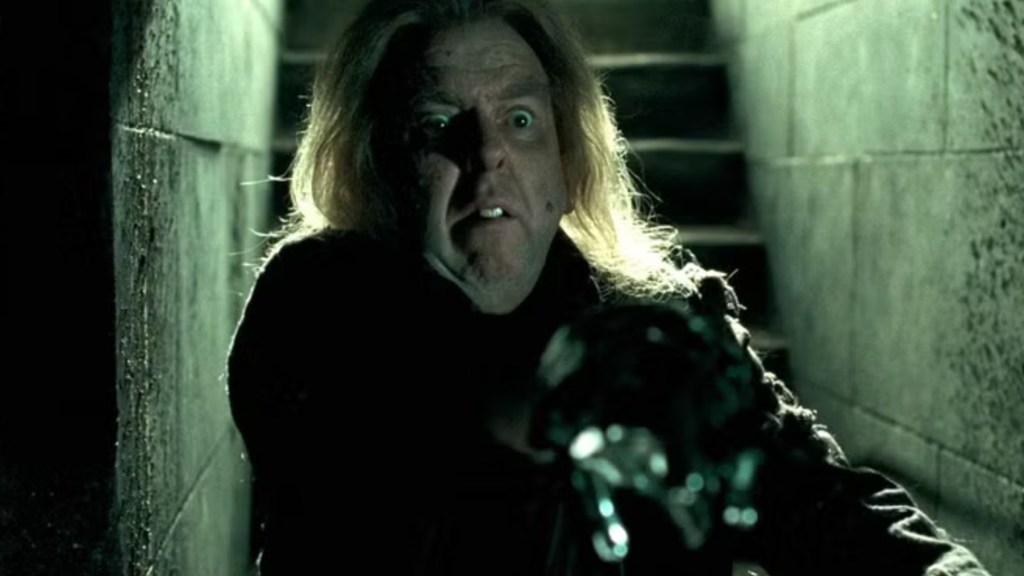
Let’s make no bones about it, Peter Pettigrew deserved to suffer. He may have been presented as a tragic figure whose allegiance to Voldemort and betrayal of the Potters was mostly self-preservation, but the betrayal runs way deeper than that. Wormtail was brought into the inner circle of three of Hogwarts’ star pupils who taught him advanced magic patiently, and who gave him friendship as an outsider (no doubt thanks to Remus’ affinity for broken things). He was also under the protection of the Order, and had no reason to fear Voldemort other than as a sycophantic expression of his own pathetic nature. He chose his torment by the Dark Lord, spied on the Order, leading to the deaths of members, killed 12 muggles to frame Sirius, murdered Cedric Diggory, and brought Voldemort back. Not exactly just a pathetic bystander.
But then in the movies, in the name of preserving a PG-13 rating, Pettigrew’s death was cut out entirely. Sure, we see him hit by a stunning spell by Dobby, and he falls to the ground, but it’s not a Killing Curse, even if we don’t see him again. And crucially, it removes all of the important subtext, as originally, he was killed when he hesitated to kill Harry, and the metal hand Voldemort gifted him reveals a secret curse that strangles him to death. For Pettigrew to have thrown everything away to show loyalty to Voldemort and to die knowing his master never trusted him was a perfect bit of writing that the HBO reboot needs to really deliver on.
6) Colin Creevey
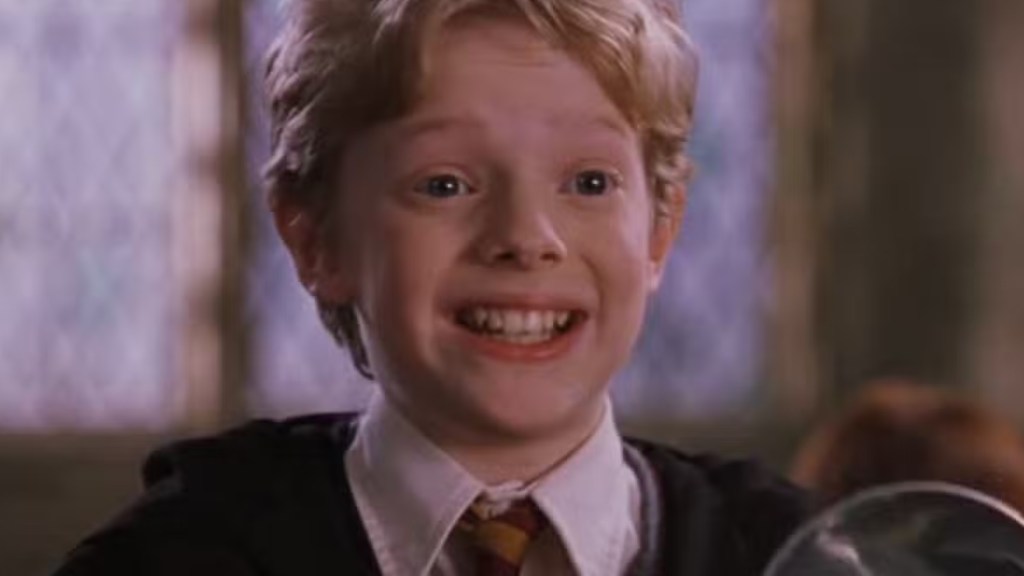
When I think back to the books, Colin Creevey’s death actually sits alongside Dobby’s in terms of impact because he’s such an innocent who took up arms to protect Hogwarts despite insurmountable odds and having been expelled for being Muggle-born. He’s the kind of character who would typically be protected in such situations, but Rowling instead chose to make him a moral lesson on the indiscriminate and outrageous nature of war. Colin was a comedy figure, full of youthful energy and enthusiasm, and his end is met only with one lasting thought: Harry’s that he looks “tiny in death.” That description is partly why he was cut from the movies: actor Hugh Mitchell aged too quickly so Colin never returned after The Chamber of Secrets, and was replaced in Dumbledore’s Army by new character Nigel Wolpert.
Does anyone remember Nigel Wolpert? No. Because why would you? He doesn’t even get Colin’s devastating death in the end. But the HBO reboot needs to bring back Colin’s untimely end for the same reason Rowling wrote it into the book in the first place. He is an unfortunate poster child for just how awful the entire war is, and while it might feel like a bit of a puppy stomp moment, it’s important that it’s done properly in the TV show.
5) Vincent Crabbe
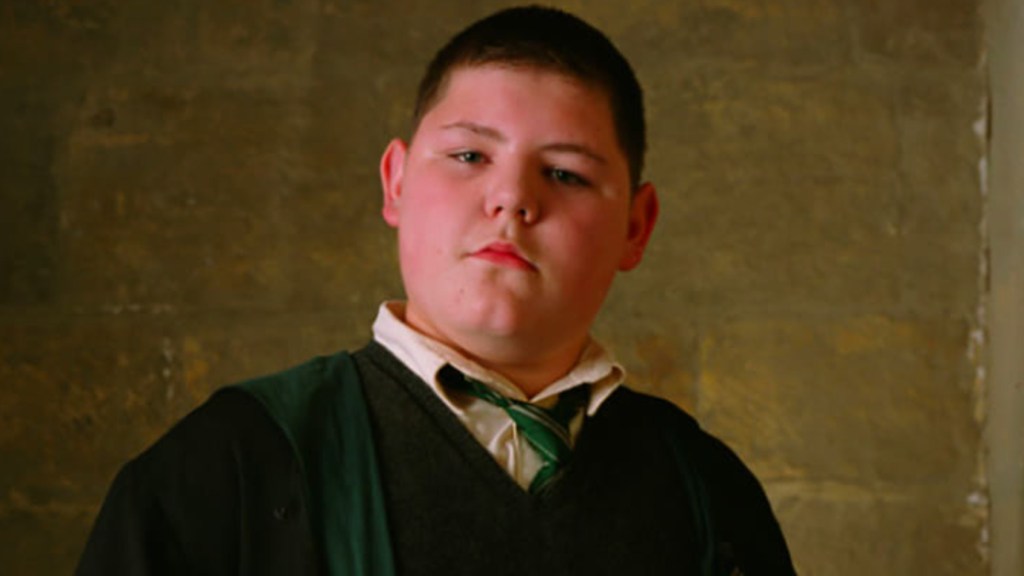
It’s not the most sentimental death in Harry Potter, but Vincent Crabbe’s death in The Deathly Hallows is one of the most epic, and it has a bit of a fist-pumping bombast to it after JK Rowling wrote herself away from Draco Malfoy ever getting his comeuppance properly (Sectumsempra aside). In the movies, Crabbe was saved by an accident of real-life, as the actor behind the character, Jamie Waylett, was fired after several legal issues, and replaced by the far too cool Blaise Zabini (Louis Cordice), who added a little too much street cred to Malfoy’s gang. In the end, Crabbe’s death was rewritten for Gregory Goyle (Josh Herdman), who instead conjured the Fiendfyre in the Room of Requirement that destroyed the Diadem and killed him.
Goyle’s death served the same purpose as Crabbe’s had in the book: it was a morality tale both about the dangers of using powerful magic beyond your ability, hubris, and the problem with just being unintelligent (a shortcoming Rowling seemed to treat with open disdain). But introducing Blaise meant Crabbe’s death didn’t split up the original trio of supporting villains, and Goyle was never presented as quite as incompetent or as brainless as Crabbe. Restoring the correct order of events in the new adaptation would hammer home the message behind it.
4) Igor Karkaroff
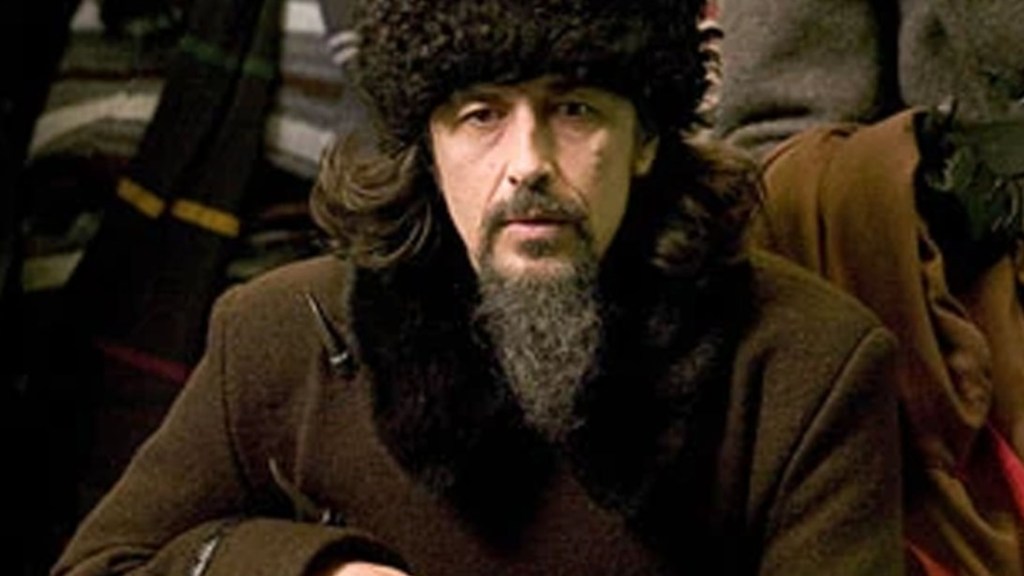
In the movies, you’d be forgiven for thinking that Igor Karkaroff is a loose end that makes Voldemort look sloppy. Despite being a former Death Eater and turning on the Dark Lord, he simply fades out of the story and doesn’t return after The Goblet of Fire. If you think about it for more than a few minutes, this really is a problem for Voldemort, because he went as far as building a kill switch into Peter Pettigrew’s hand, but seemingly just left one of the most prominent turncoats from his own army retire to a life of teaching quietly. He should have been made an example of, as he was in the books.
I don’t wish to come across as too gung ho about killing characters off, and I’m not advocating for seeing Karkaroff’s death on screen (though the TV show would probably have enough time to show it as an episode prologue), but his fate at least needs to be revealed as it was in the books. In the original source, Lupin reports that Karkaroff’s body was discovered in a shack, where he’d been hiding, presumably by Death Eaters. There’s no ceremony about it, and nobody mourns him, but it’s an important footnote that underlines the fact that Voldemort tolerates no betrayal.
3) Bertha Jorkins
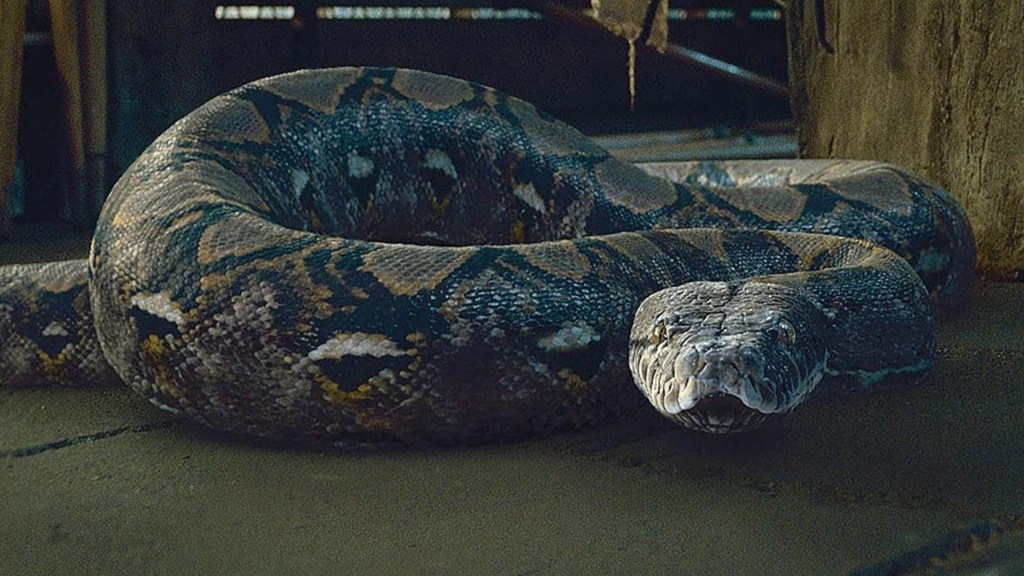
Bertha Jorkins was deemed so unnecessary to the Harry Potter movies that she was removed entirely, along with her boss Ludo Bagman, despite being an important figure in both Barty Crouch’s story and Voldemort’s resurrection. A scatter-brained Ministry of Magic employee (honestly not the best advert for their recruitment policy), she unwittingly stumbles upon two crucial revelations that contribute to her death. First, she visited the Crouch’s estate and discovered Barty Crouch was alive and under his father’s control, and earned herself a powerful Memory Charm that caused her permanent neurological damage (see, Crouch Sr did deserve to die). Then, when on holiday in Albania, she bumped into Peter Pettigrew, wound up imprisoned and tortured by Voldemort, and eventually killed.
Jorkins was the reason Voldemort and Crouch knew to target the TriWizard tournament, because key information she gave up under torture set the plan in motion. The movies skipped this entirely (partly thanks to cutting Bagman), which didn’t really cause much of an issue, but it’s still a worse version of the story. The cruelty in torturing Jorkins is also an important part of Voldemort and Pettigrew’s evil lore, and the Dark Lord chose her death to turn Nagini into a Horcrux as another important point the HBO series can restore.
2) Barty Crouch Sr
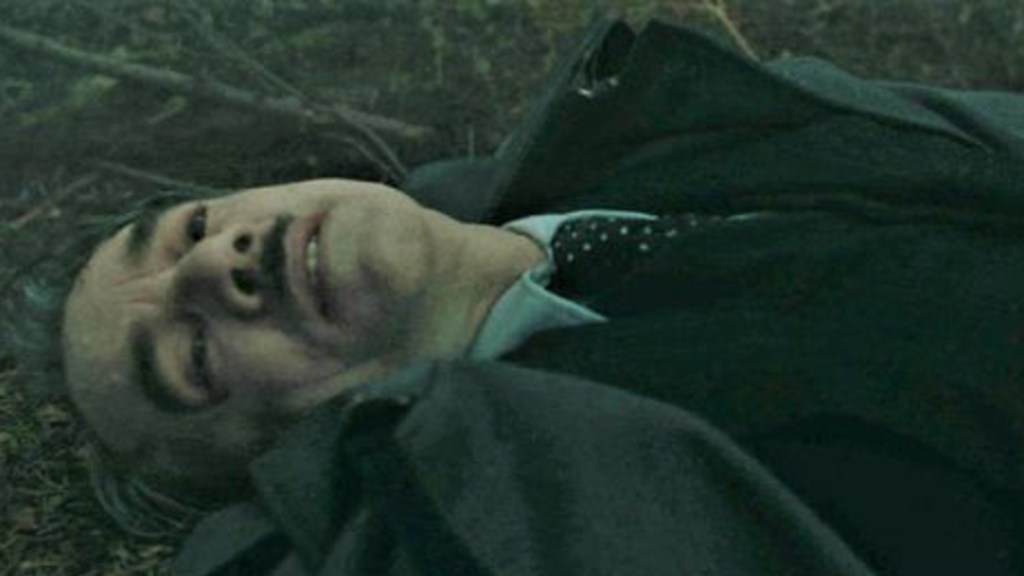
Yes, we see Barty Crouch Sr’s corpse in The Goblet of Fire, but his death – and the reason behind it – was cut entirely from the movie when it was rightly decided that the massive book couldn’t be adapted purely. That won’t be so much of a problem when HBO’s season 4 rolls around, which also means we might get the full TriWizard Tournament too. But the reinstalment of Barty Crouch Jr’s backstory, and the involvement of his father, leading right up to his death has to be a priority when it comes to writing The Goblet of Fire season. Not least because it better explains how Crouch was able to escape Azkaban, and then reveals how far he’s willing to let his evil go.
In the books, of course, Barty is freed from Azkaban by his own father, by swapping his terminally ill mother into prison in his place (because apparently the biggest wizarding prison has no security measures against simple disguise magic), and is then kept imprisoned at home under the Imperius Curse. That doesn’t last though, he escapes, then is reimprisoned by his father, broken out by Voldemort, puts his father under the Imperius Curse, somehow defeats Mad-Eye Moody, replaces him, leads Harry towards danger, kills his father, and is eventually found out. The movie version was massively stripped down, losing quite a lot of its best parts, including Barty Crouch Sr being under Voldemort’s control (and instead just suggesting he was a dick). And his death is very much the culmination of the breakout, and a tragic – though fitting – end for a desperate man whose bloodline was betrayed by his son’s allegiance to the Dark Lord. The close call of him getting close to Hogwarts to reveal Crouch Jr’s impersonation of Moody is fine writing that also deserves to be honored in the remake.
1) Fred Weasley
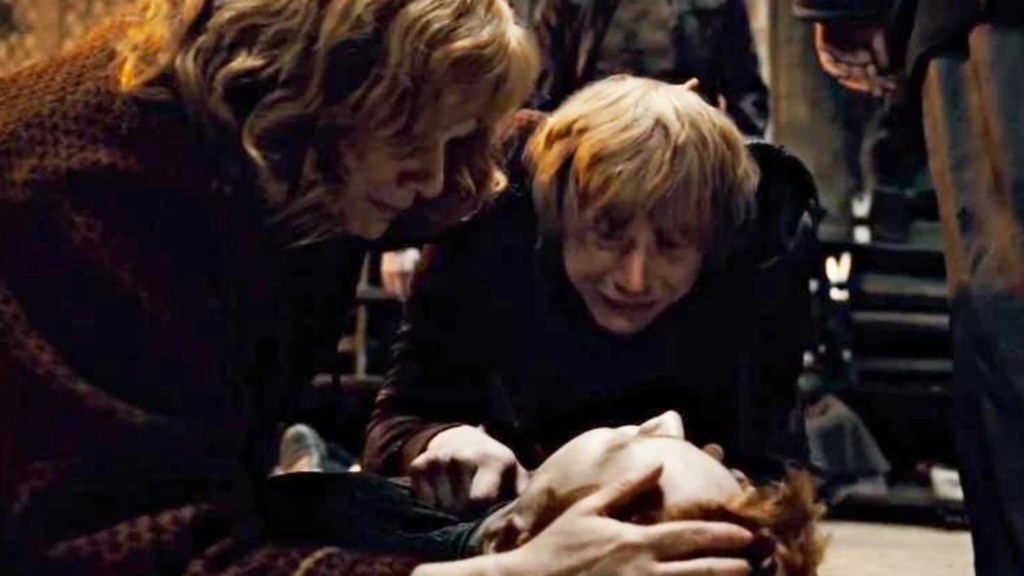
Fred Weasley’s death at the end of The Deathly Hallows remains one of the hardest parts of the final book to read, but that doesn’t mean the movie’s decision to cut how it happens was the right choice. Leaving it off screen, in fact, actually made Fred’s death worse, and fans have written online a lot about it being a betrayal of the source material. The book version of his death fits the nature of the character: he’s killed by an explosion as he jokes with his older brother, Percy, still irrepressibly positive even during a deadly battle. It’s another case of Rowling stressing the harrowing, unforgiving nature of war, and Fred being frozen forever with “the ghost of his last laugh still etched upon his face” is a beautiful and haunting piece of writing. The movies cut the entire thing, with Fred’s body shown in the aftermath and his family distraught.
Fred’s death being shown is important: Harry finds his body when he’s drawn to the scene by his brothers’ wails of despair, and in a final act of tender mercy, he helps Percy move Fred to a safe spot behind a suit of armor, because there’s no time to mourn. The HBO adaptation actually has a chance to outdo the book, which didn’t make enough of Fred’s death, which was absolutely a key part in hardening Harry’s resolve to sacrifice himself to save others from Fred’s fate.
What do you think? Leave a comment below and join the conversation now in the ComicBook Forum!




Leave a Reply