
Cruise’s new movie Digger looks like it will be one of the biggest box office flops of all time – but that doesn’t necessarily mean it’s a failure. There are many examples of films that were box office disasters, only for the movie to become a cult hit later, and then, after standing the test of time, a cult classic.
The list below includes 10 examples of movies that went from being seen as failures to films we watch all the time. The only rule is that the film must be at least 20 years old and still have a following today to fit both sides of the “cult-classic” term. We also tried to veer towards films best suited for the ComicBook audience.
10. Donnie Darko
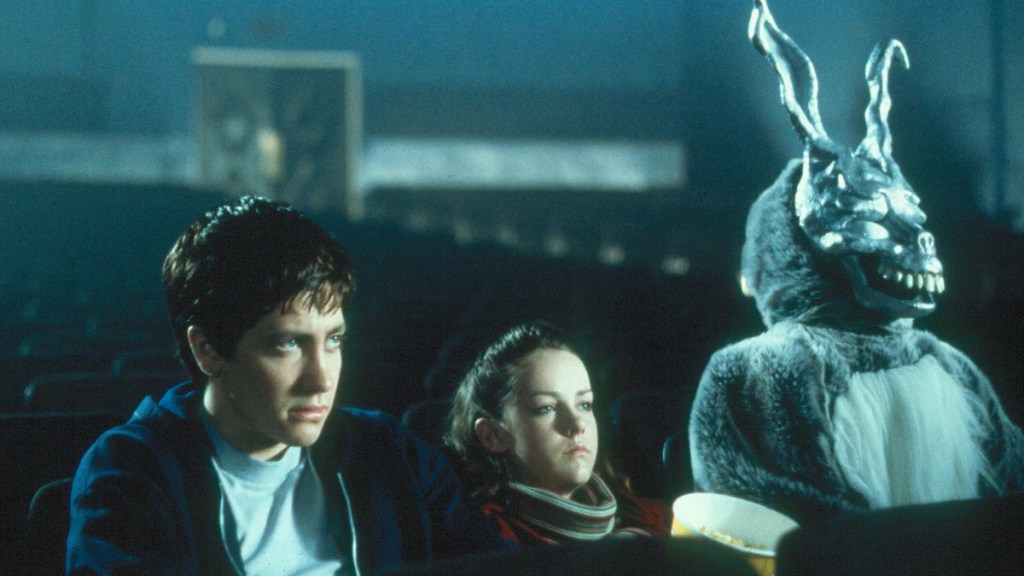
It’s almost heard to believe it now, but Richard Kelly’s 2001 sci-fi-mystery indie only made $7.5 million during its theatrical run. It may have earned back its budget of $4.5 million, but it was initially viewed as a flop that was too weird and convoluted to draw a mass audience. The film’s release date also killed its chances: just one month after the September 11th terrorist attacks, nobody wanted to see a movie about a kid trying to avert a plane crash disaster he sees in a vision of the future.
However, while real-life events may have kept Donnie Darko from breaking through, in theaters, the film became one of the first to gain a massive cult following via DVD. Word of mouth and hand-to-hand shares made Donnie Darko the biggest indie cult-hit of the early 2000s, and that legacy has held strong for some 25 years. Now, the franchise is set to continue with a legacy sequel that’s in development.
9. Blade Runner

No modern film fan would ever think that a sci-fi movie from Ridley Scott (Alien), starring Harrison Ford (Indiana Jones), would be anything but a hit. But yes, Blade Runner was looked at as a serious “underperformer” in theaters, earning just $41.8 million against a budget of $30 million – a hefty investment back in 1982 when the movie was released.
Today, Blade Runner is viewed as one of several pioneering works that Scott achieved early in his career. The genre blend of futuristic sci-fi and classic Noir detective tropes was pretty revolutionary for the time, as was the concept of a blockbuster-sized film that dove into deep philosophical and existential concepts of humanity and artificial life. It’s also one of the early examples of a studio (Warner Bros.) meddling with the theatrical cut of a film so much that fans demanded a director’s cut (they got several until The Final Cut was released in 2007). So many sci-fi films and TV shows that followed owe a creative debt to Blade Runner, and it keeps new generations of fans coming back to see the original.
8. Willy Wonka & the Chocolate Factory
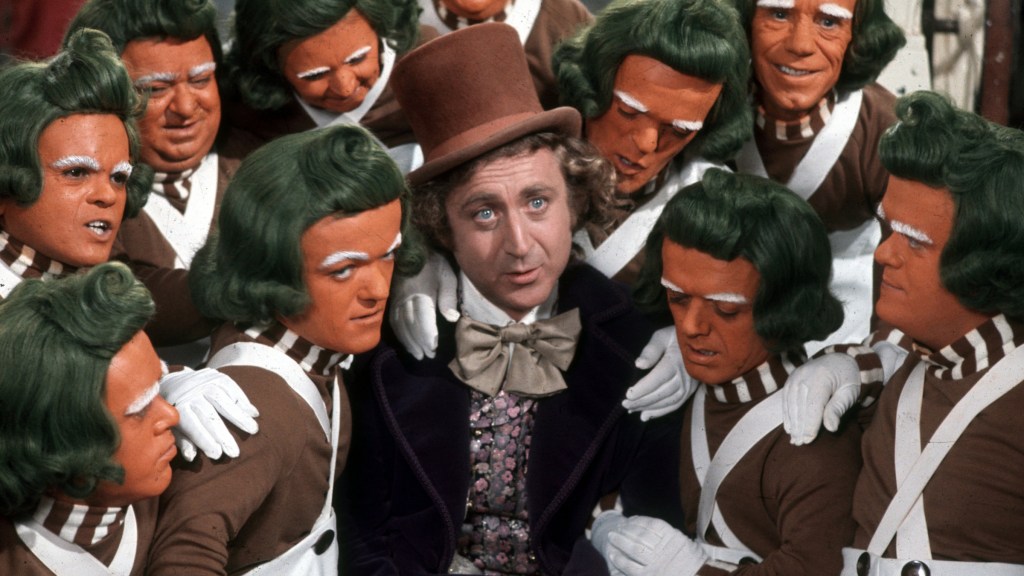
Yes, one of the core musicals from every Gen X and Millennial kid’s upbringing was a total box office failure. Mel Stuart’s 1971 musical adaptation of Roald Dahl classic novel earned high praise from critics (including Oscar and Golden Globes nominations), but was ignored by audiences, earning just $5.8 million against a $3 million budget.
Syndicated TV airings and home video rentals/sales would not only give Willy Wonka a second life as a cult-favorite, but also transform the film into a cultural staple of childhood movie watching (or even school plays), alongside E.T., The Goonies, and other kid classics that had actually smashed the box office. Even after Tim Burton’s highly successful remake in 2005, Willy Wonka still holds its own, refusing to be forgotten.
7. The Big Lebowski
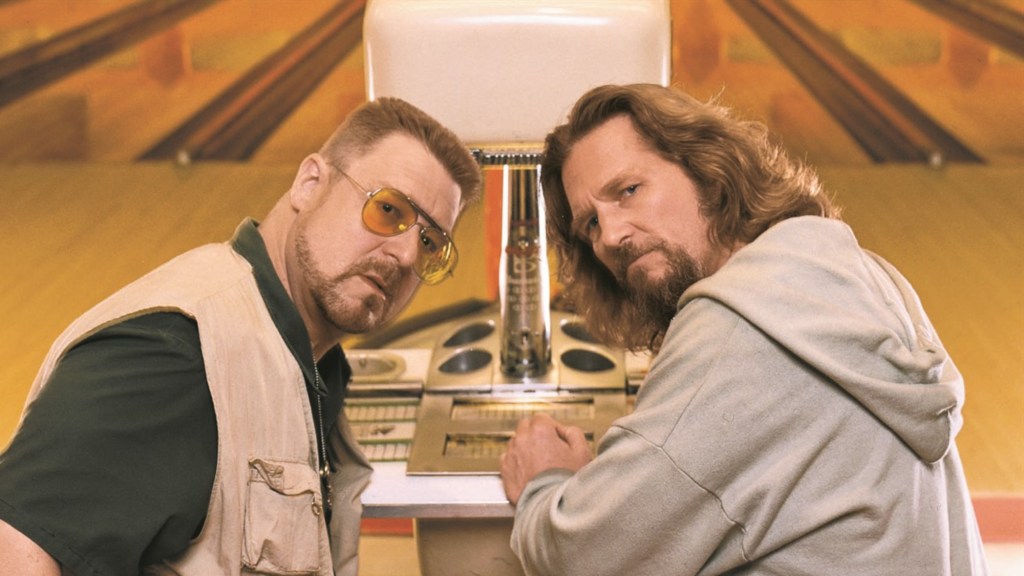
The Coen Bros. had been steadily gaining a cult following throughout the 1990s, but their 1998 film The Big Lebowski was the real game-changer for their careers. Not because it was a box office smash (it earned a modest $48.3 million against a $15 million budget), or a critical darling (mixed reviews at best), but because of what it became later.
DVD and home video, plus a string of quotables that became iconic, made The Big Lebowski one of the biggest cult-film favorites during those pivotal transitional years from the 1990s into the 2000s. As time went on, more people “got” the joke of how the Coens flipped a classic Noir detective story into a wacky odyssey through LA’s weird and wild world of subculture. It also made icons of Jeff Bridges and John Goodman, whose characters are still beloved and oft-quoted even today.
6. Fight Club

David Fincher had become something of a master of making hit cult films by 1999 (see: Se7en), when he adapted what would become one of the defining novels of the early 2000s: author Chuck Palahniuk’s Fight Club. However, despite having (a very cut) Brad Pitt in the lead role opposite acclaimed actor Edward Norton (Primal Fear), the movie adaptation of Fight Club became a major cultural lightning rod that deeply divided critics and resulted in a lukewarm $100 million box office (against a budget of $65 million).
However, Fight Club became one of the early prototypes that helped studios reframe how they profited off movies. The Chemical Brothers soundtrack helped kick off the EDM wave, while home video and (custom-packaged) DVD helped the film not only find a bigger audience, but become a treasured collector’s item. The toned physiques of the actors, deeper “alpha male” cultural themes in Palahniuk’s novel, and the major “twist” in the story ruled cultural discourse for years after the film’s release. Now, Fight Club is one of those movies you get called out for not having seen.
5. The Thing (1982)
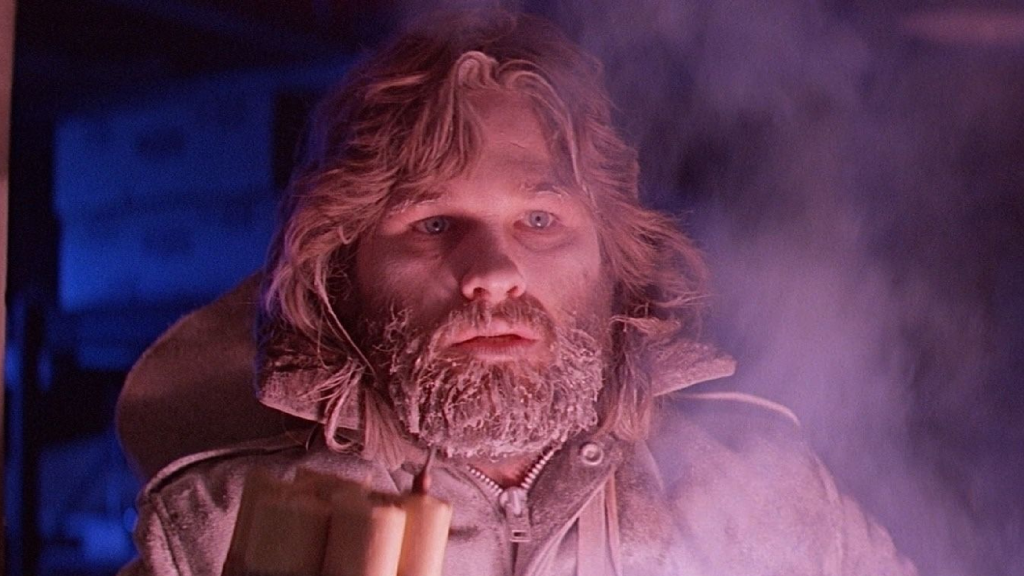
One of the greatest sci-fi-psychological-horror films of all time took a long road to earning that title. Just a few years after redefining horror (and helping to shift American culture in the process), John Carpenter followed up Halloween (1978) with a horror film that gave him a bigger budget ($15 million) and scope to work with. The result was a paltry box office of $20.9 million during a highly competitive summer (which included the release of E.T.), and a serious beating from critics.
However, when it was released on home video, The Thing stood the test of time as a psychological horror experience that is required viewing for any true fan of the genre. The creature effects and makeup by the legendary Rob Bottin (RoboCop, Total Recall) have also become major staples that bring in new generations of viewers, as The Thing stands taller and taller as an example of practical movie-making magic, before CGI took over that job (see: The Thing 2011 prequel).
4. Clue

Adapting video games into films is one thing; adapting a tabletop game into a movie is something else entirely. Director Jonathan Lynn (My Cousin Vinny) cracked the code on how to do it right when he released his 1985 adaptation of the hit board game Clue, only audiences didn’t think so at first. Clue earned just $14.6 million against a budget of $15 million. Fans didn’t know how to take seeing the familiar game as a murder-mystery-comedy instead of a true whodunit; Paramount’s gimmick of releasing three different endings to the film also didn’t inspire the repeat viewings the studio was betting on.
However, rainy-day airings of the film on syndicated television stations and the newly-emerging cable TV platform would keep Clue in the game for years after its release. It also helped that cast members like Tim Curry and Christopher Lloyd later saw their fame explode, making Clue a gem of ensemble performance by serious up-and-coming talents. The tabletop game also continued to explode in popularity throughout the 1990s, bringing new fans to the film. On cable and home video, the three different endings to the film were all played back-to-back, creating a hilariously bonkers finale that viewers (finally) buzzed about. With Tim Curry now gone, Clue is even more invaluable as a cult favorite.
3. The Rocky Horror Picture Show
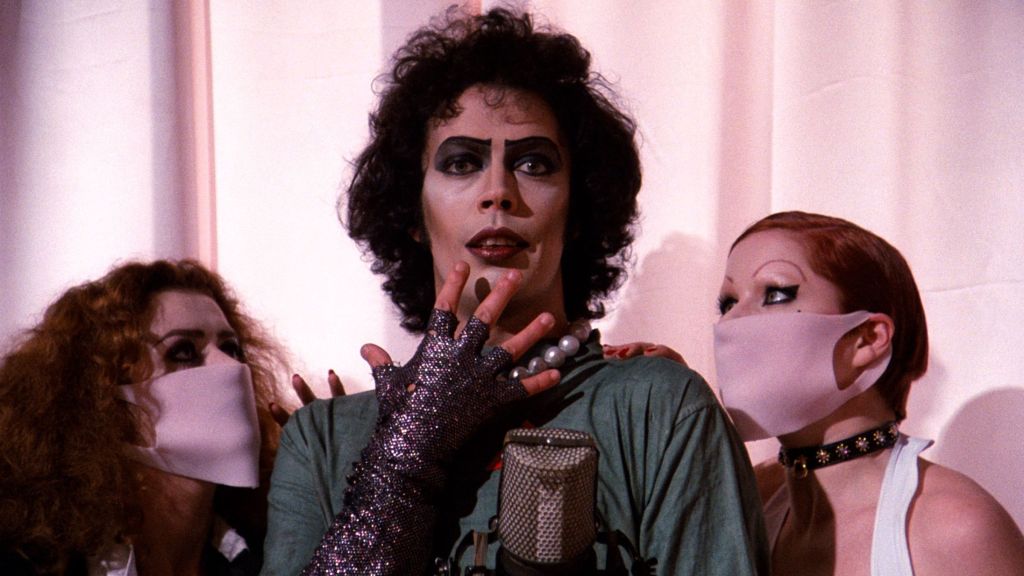
The Rocky Horror Picture Show is an entire vibe now, but when it started, it was considered a flop. In its first year of release back in 1975, the film (an adaptation of a cult-hit stage musical) only grossed about $1.2 million, against a budget estimated to be between $1.4 million and $1.6 million. But Rocky Horror Picture Show would go on to put the “cult” in cult-classic, and make lead actor Tim Curry into an indelible cultural icon.
It takes a theatrical stage troupe to do what the cast and crew of The Rocky Horror Picture Show pulled off: bucking against their initial limited release with midnight screenings and aimed at college crowds and counter-culture groups; It worked to turn The Rocky Horror Picture Show into one of the first big screening “events” that routinely draws big crowds of fans to theaters, over 40 years later, making it the longest-running theatrical release in history. It’s also an annual staple of Halloween season, regularly airing on TV and cable; it has inspired countless imitations and parodies, and is often adapted into new stage productions at colleges and in local theaters, bringing the entire journey full circle.
2. Idiocracy
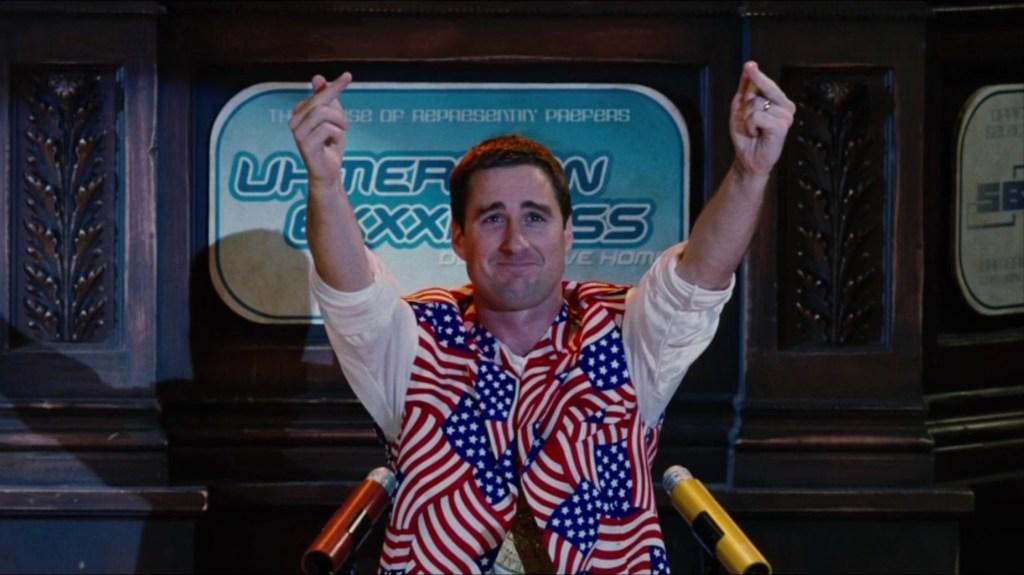
Mike Judge has no problem making classic television shows like Beavis & Butthead, King of the Hill, or Silicon Valley, but he’s had a much more challenging time creating feature films. Several of Judge’s movies could appear on this list (Office Space), but time has proven that his 2006 satirical comedy Idiocracy is the most relevant one.
Viewers wouldn’t learn until much later, but Judge had done his job too well: Idiocracy‘s vision of a future overrun by consumerism, low-brow entertainment, and total mental, physical, and spiritual apathy featured real corporate brands and product placement, at the expense of mocking the companies and their cynical effects on society. 20th Century Fox all but buried the film, holding back on most marketing and promotion, and only releasing it in 130 theaters, after numerous last-minute release date shuffles. If it had the desired effect: even with an indie budget of just $2.4 million, Idiocracy couldn’t even break even, earning just over $495,000 in theaters.
There’s a very sad reason that Idiocracy has only grown in popularity over the last 20 years: many people feel like the world is slowly but surely turning into the absurd dystopia that Mike Judge envisioned. You can’t get bigger (or more depressing) validation than that, as a filmmaker. And every time real life mirrors another scene from the film, Idiocracy’s ranking among cult classics only gets higher.
1. The Wizard of Oz
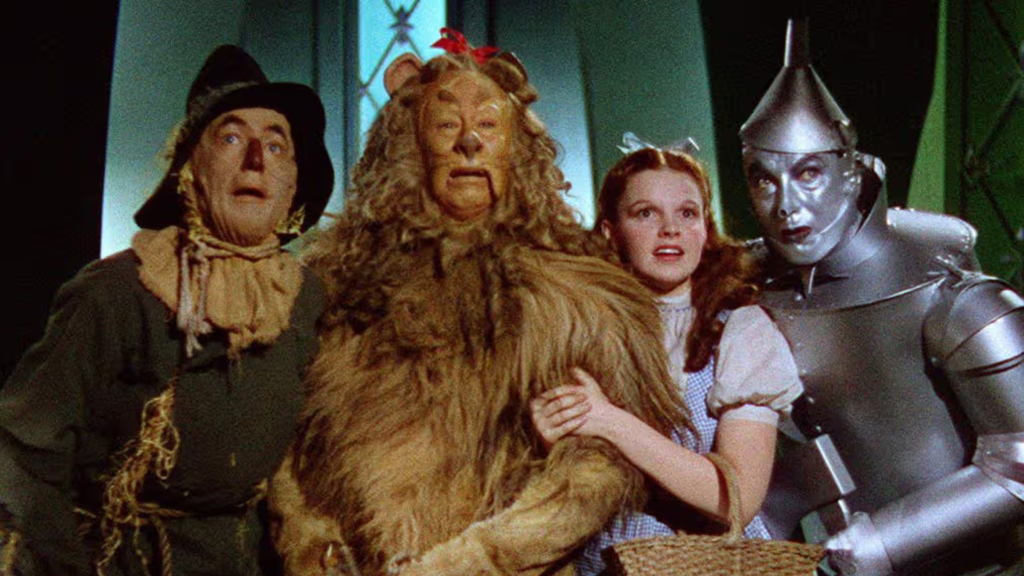
Yes, one of the most popular and innovative films of all time was a big box office flop. The Wizard of Oz earned only $3 million at the box office in 1939; it was MGM’s most expensive film ever at the time, with a budget of $2.7 million. Not even the use of some groundbreaking new film technology (Technicolor) was enough to make it a bigger draw. The Wizard of Oz was an early example of audiences being skeptical of remakes and screen adaptations: the novel (The Wonderful Wizard of Oz by L. Frank Baum) and 1902 stage musical had both been major successes; the 1925 silent film adaptation had been deemed a failure, and audiences weren’t eager to try out another big-screen visit to Oz.
However, MGM didn’t let go of its investment, re-releasing The Wizard of Oz in theaters in 1949 and 1955, both of which helped boost the film’s box office substantially. CBS acquired the TV rights and aired the film in November of 1956, where it dominated the ratings, with over 50% of American households tuning in. From there, The Wizard of Oz (1939) became the defining version of the story, and one of the defining examples of what blockbuster family-friendly fantasy-adventure films should be. From the music to the performances to the costumes and set design, everything about the movie has been enshrined. It’s probably unfair to call it a “cult classic” until you see all the sing-alongs, cosplay, and stage adaptations, parodies, and homages that are being done, nearly 90 years later.
What other box office flops have become major favorites you watch all the time? Let us know in the comments. Digger is now in theaters.







Leave a Reply