
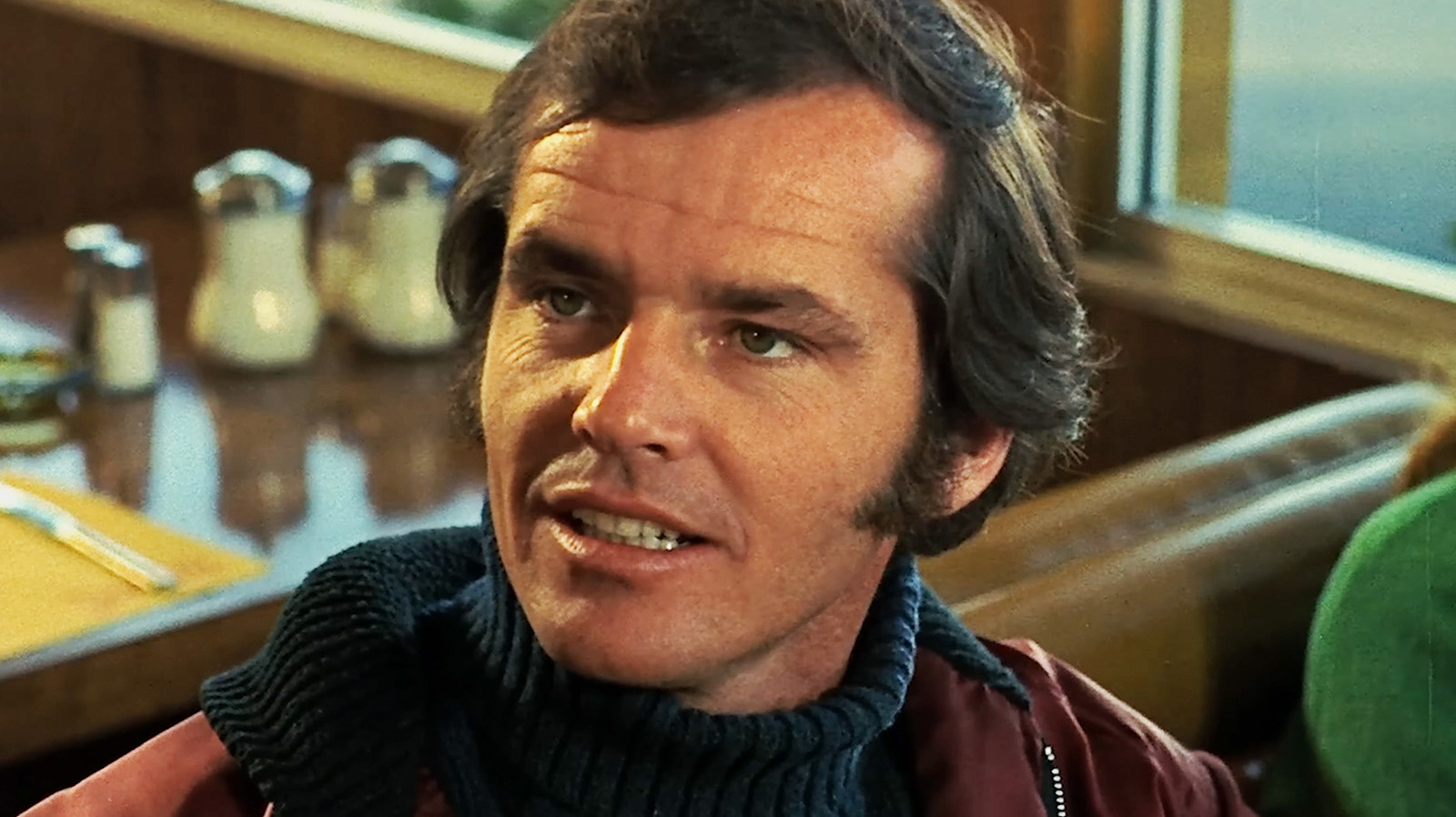
When Jack Nicholson disappeared from Hollywood, it was as if he could see the future. The actor told the Sydney Morning Herald in 2013, “I only want to do films that move people, films about emotions and people.” But this screen icon, who’d maintained his status as such since the 1960s, had what he called a “chilling thought:” “Maybe people in their twenties and thirties don’t actually want to be moved anymore.” That will almost certainly never be the case, but in an age where “Harry Potter” reboots and live-action Disney remakes abound, it’s hard to say he was completely off the mark.
The truth is, Nicholson had been suspicious of such a cultural shift since the 1980s back when he saw “Ferris Bueller’s Day Off” and became convinced true creativity within the film industry was dying. Nicholson’s hate for what is otherwise regarded as a beloved ’80s classic might seem baffling, but it speaks to the oft-overlooked truth about one of the last true movie stars. Jack Nicholson was much more thoughtful than his roguish reputation might suggest.
The actor, who got his start in B-movies in the 1960s before breaking through with 1969’s “Easy Rider,” maintained an intellectual interest in acting throughout his rise to stardom. The man whom Kim Basinger once called “the most highly sexed human being” she’d ever met, and who earned a reputation for acting bizarre a little too well, was always far more cerebral than audiences realized. In interviews, he was often insightful in a way that would surprise anyone who knew him only from his most widely-recognized performances. In one such instance from 1986, he proved why he was always much more than just a movie star and, in fact, had the heart of a true artist.
Quote of the Day by Jack Nicholson
“There are these predigested images, these preconceived concepts of how things are. I suppose I’m still crying out for people to try and face the immediate facts of understanding. Get to clarity before you get to power. It becomes weighty and pretentious to say this, but you know, you have to reach beyond yourself. You have aspirations — you just do — and I guess everybody who works at what I do, they’re all hoping to make the world better in some way — and that’s what pressing on the nerves is about.”
When Ron Rosenbaum pushed Jack Nicholson on what he meant by “pressing on the nerves” for a 1986 New York Times profile, this was the actor’s response. Nicholson didn’t see acting as merely a profession but as something that could help inspire change. In order for that to happen, he was convinced that art generally needed to “press on the nerves,” which is to say it needed to challenge orthodoxy.
You can see how this subversive inclination guided the actor through his career. Nicholson didn’t make a lot of Westerns precisely because he didn’t want to be pigeonholed. But he also didn’t cling to more serious roles just to cultivate some false air of prestige. Nicholson has played iconic roles, but as his comments to Rosenbaum show, none of it was solely for fame. For him, acting was part of a larger artistic enterprise to challenge and subvert “preconceived concepts.” His words are a rallying cry against cliché that echo Susan Sontag’s claim that “the only interesting ideas are heresies.” It also helps illuminate Nicholson’s reasoning behind retiring from a culture he suspected of not wanting to be “moved any more.”
Deeper Meaning of Jack Nicholson’s Quote — Art is more than entertainment
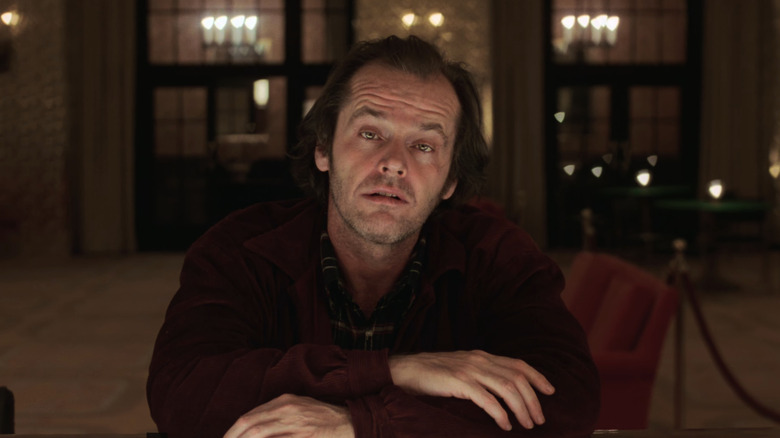
In his New York Times interview, Jack Nicholson gave the example of how he “pressed on the nerves” with his Oscar-winning portrayal of astronaut Garrett Breedlove in James L. Brooks’ “Terms of Endearment — the script for which left Nicholson in tears. “One of the things that motivated me with that character is that everyone was starting to make a total cliché out of middle age,” he said. “[…] I just went against the grain of the cliché. I just wanted to say, ‘Wait a minute, I happen to be this age, and I’m not in any midlife crisis.'”
It’s the perfect example of how Nicholson’s commitment to challenging norms led to some of his best work. Sure, he won a Best Supporting Actor Oscar for playing Breedlove, but what really mattered to him was the ability to publicly undermine the “predigested image” of middle age.
The idea of challenging orthodoxy obviously isn’t unique to Jack Nicholson. Still, it’s a refreshingly rebellious thing to hear from an actor of his stature. So many of our cultural figureheads seem to lack this fundamental appreciation for heretical ideas and art’s inherent ability to subvert. It’s arguably part of the reason why we’re living through the very age from which Nicholson quietly excused himself back in 2010. In a time when streaming has buffed the edges off our entertainment, corporations have exploited subscription models to usher in the so-called “death of ownership,” and AI continues to be foisted upon the masses by a technorati completely uninterested in the very concept of originality, Nicholson’s entreaty to push back against prevailing trends couldn’t be more important to remember.
More Quotes From Jack Nicholson
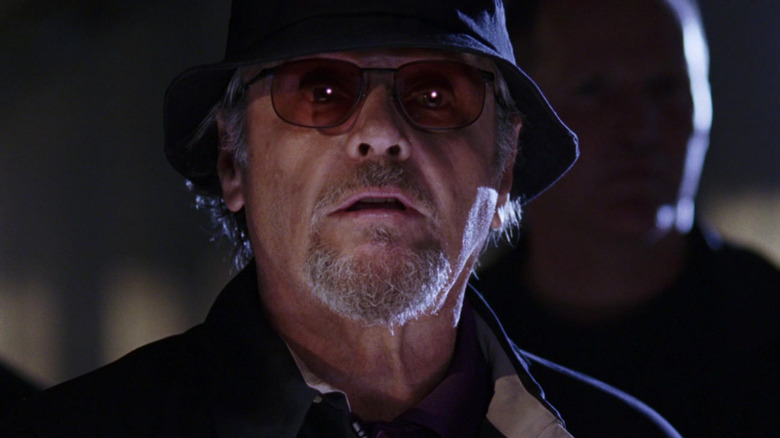
-
“A lot of things you learn, you have to forget about so that it’s fresh now. And because of this paradoxical thing, what I seek now is naivete.”
-
“I don’t want people to know what I’m actually like. It’s not good for an actor.”
-
“Here’s my theory: The minute that you’re not learning, you’re dead.”
-
“It is a slight stretch of the imagination, but most people are alike in most ways. I never have any trouble identifying with a character that I’m playing.”
-
“I’ve directed actors who have never acted before in a movie, and what I learned to give them is …’If you get an impulse in a scene, no matter how wrong it seems, follow the impulse.'”





Leave a Reply