
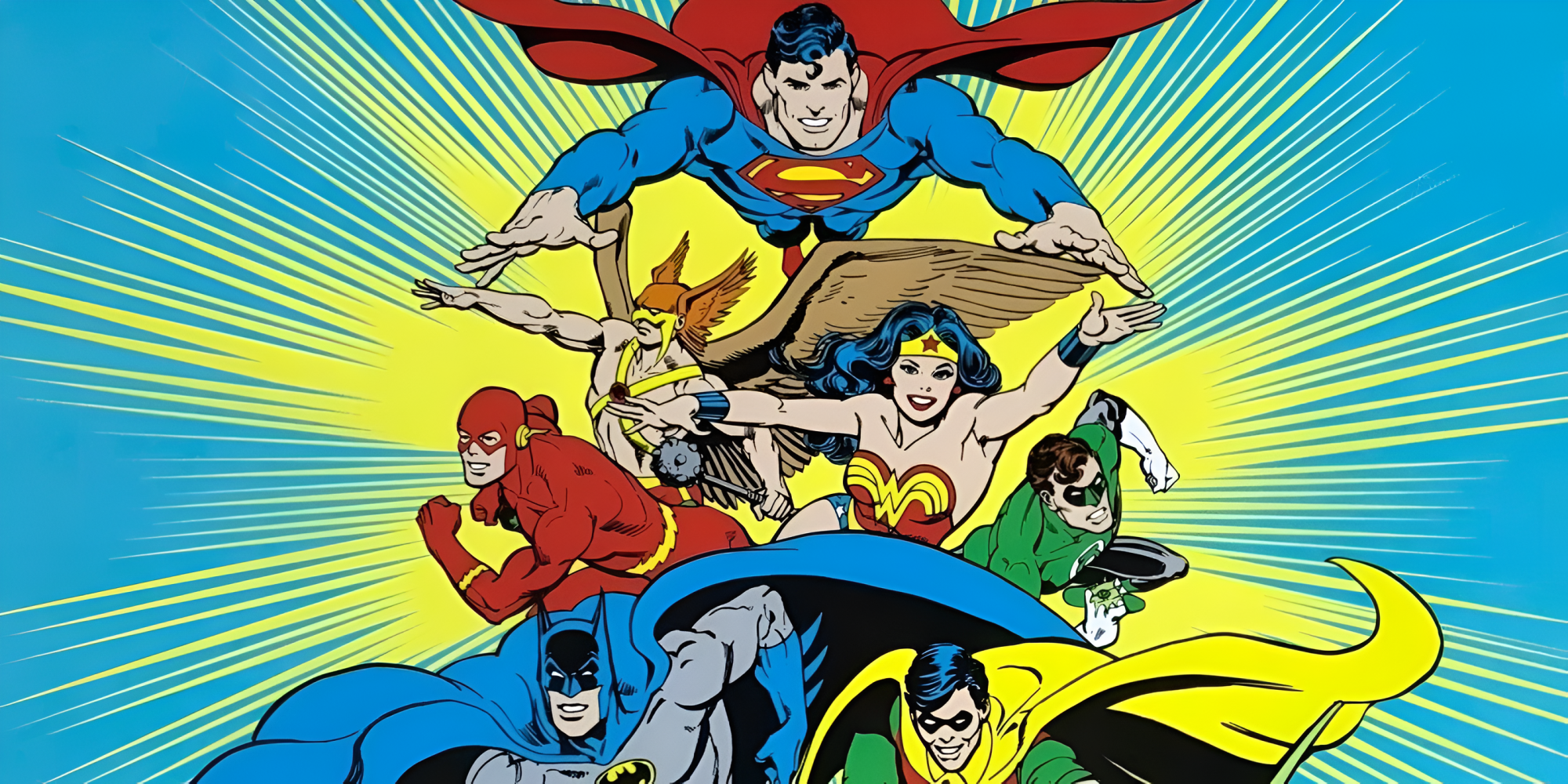
The Mego name is synonymous with eight-inch scale, cloth-costumed action figures. It was this style of action figure that helped Mego rise to prominence as one of the biggest toy companies of the seventies, with the figures’ standardized plastic bodies helping keep costs down and profits up. Of these, one of the most popular with fans then and now was Mego’s expansive, Marvel and DC-encompassing World’s Greatest Super-Heroes line. But by the decade’s close, Mego’s marketplace dominance had slipped, lost to Kenner Toys in the wake of their incredibly-popular Star Wars line. Conventional wisdom would suggest that Mego’s sudden pivot to Star Wars-scale, 3.75″ super-hero action figures, but a closer look at the release date on Mego’s Comic Action Heroes beat Kenner’s Star Wars to market by almost two years, making it the first-ever licensed 3.75″ action figure line.
The Comic Action Heroes were designed to supplement Mego’s success with the Marvel and DC licenses without cannibalizing sales from the 8″ line. The scale was, as with Star Wars, chosen largely so that the figures could interact with in-scale playsets and vehicles that weren’t impractically large and space-consuming. Mego attempted 8″ scale playsets with mixed success, with their Batcave a strong-seller, but their Wayne Foundation too gigantic for most parents to sign off on buying their kid. The Comic Action Heroes sculpts were odd, with the figures positioned in a permanent crouch (speculation is that this was done to make it easier to sit them in vehicles). In 1979, Mego would revamp the line as the Pocket Super-Heroes, featuring improved sculpts and more functionally-implemented articulation. Today, the Pocket Super-Heroes are a prized collectors’ item among Mego and vintage super-hero collectors, especially rare, end of-line characters Captain America, Wonder Woman, Green Goblin, and Aquaman. Next week, Heritage Auctions is giving collectors a unique chance to own the highest-grade AFA (Action Figure Authority) certified samples of five Pocket Super-Heroes figures in existence. More than a week out from the auction’s close, the price of the auction’s Captain America and Wonder Woman have already climbed above $1k.
How Mego’s Pocket Super-Heroes Became Their Superman Movie Line — Sort Of
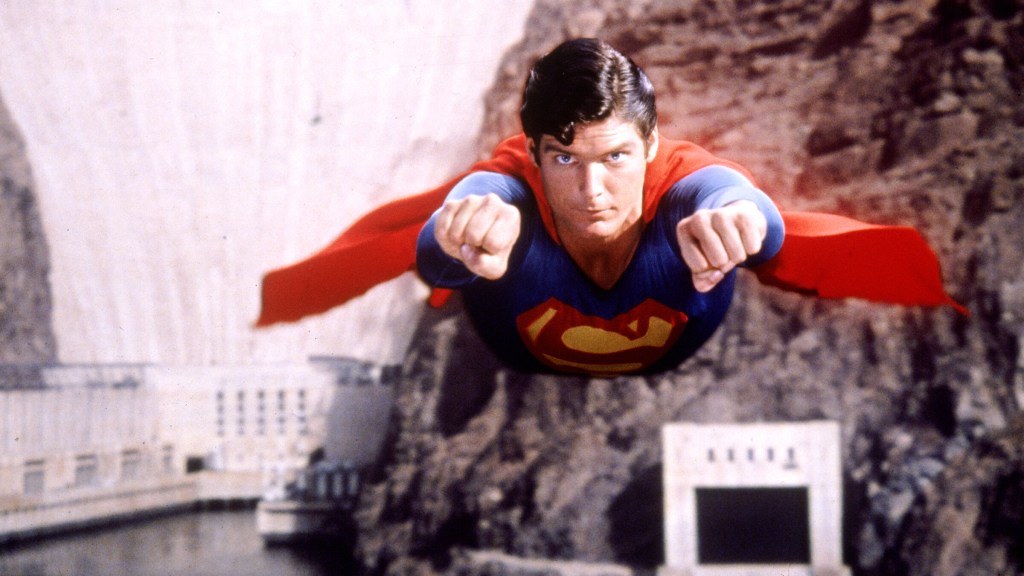
The year before Mego released their Pocket Super-Heroes, Warner Brothers made audiences believe a man could fly with Superman: The Movie, introducing the world to Christopher Reeve’s still-character defining turn as the Man of Steel. Warner spared no expense marketing the film, and licensed products plastered with its logo and characters were everywhere. Mego, as the master license-holder for DC Comics, anticipated major sales for Superman: The Movie. They developed action figures and other products in multiple scales, though immediately, a problem became apparent: most of the film’s character designs didn’t translate to exciting action figures. Mego’s solution (which cynics have pointed out could just have easily been to prevent Mego from having to pay for actor likenesses) was to produce figures of the characters comic counterparts. General Zod, Jor-El, and Lex Luthor were first produced in a 12″ scale in 1978, then were made part of the first wave of Pocket Super-Heroes in 1979.
The trio are the only characters in the line not to have been part of the previous Comic Action Heroes line, and featured fully original sculpts. Ironically, they were also the worst sellers, and were discontinued as the line entered its second year in 1980. Superman, Batman, Robin, the Hulk, and Spider-Man were retooled from their Comic Action Heroes figures: they were the same figures from the waist up, with new legs. This is immediately noticeable in the arms, which Mego sculpted bent at the elbow. Unlike the bent legs, no one has ever been able to put forward a decent explanation for why this design choice was made. For the second wave, Mego retooled the entire figure, including new arms. These final four figures (Wonder Woman, Captain America, Aquaman, and Green Goblin) were released in 1980 in significantly reduced quantities, and routinely sell for four or five times the price of their wave one counterparts, worth at least one hundred dollars apiece loose.
Playsets and vehicles were produced, though they were fewer and less elaborate than those made for the Comic Action Heroes line. Several were directly reused from Mego’s Micronauts, including the “Bat-Shuttle.” More logical were the requisite Batmobile and Spider-Mobile, both of which were issued as bundles packaged with action figures (Batman and Robin, Spider-Man and Green Goblin, respectively). While rightly mocked by comic book fans today, the Spider-Mobile — called the “Spider-Car” by Mego — was welcomed by toy manufacturers in the seventies, as it gave them an excuse to market a vehicle tied in with a character whose primary mode of transportation was self-contained. The same impulse drove DC to invent the even-sillier “Super-Mobile.” Battery-powered variations on both of these, the “Bat Machine” and “Spider-Machine” also saw limited release in 1980. Only one playset was produced for the line, a Batcave, made with a brittle vacuform plastic. Retailer catalogs show several other planned, unreleased playsets and vehicles, including a Fortress of Solitude and a cityscape (marketed as being “for” the Marvel heroes, who lack the recognizable, specific homebases of a Batman or Superman).
Why Mego’s Pocket Super-Heroes is Another Line Where the Packaging Make All the Difference
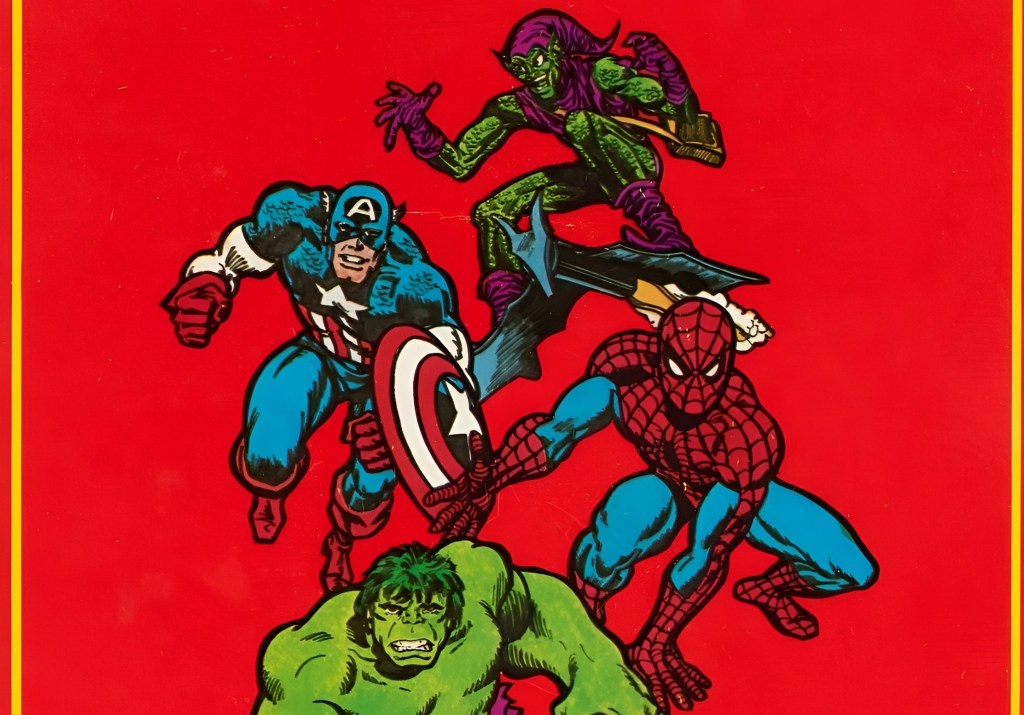
In its two-year shelf-life, Pocket Super-Heroes spawned three major packaging design variations. The 1979 series used a plain red cardback with a generic Pocket Super-Heroes logo on the front. No character names are present on this packaging, Mego presumably thought kids would be familiar enough with the characters not to need it. The back features a colorful group shot of comic book-style art of all the line’s characters, as well as several from the Comic Action Heroes series who didn’t make the transition to the new line (Shazam, the Joker, the Penguin). Allegedly, these three were dropped in favor of the new, Superman: The Movie-inspired trio of characters. For 1980, the red cardbacks were dropped in favor of a bright, colorful white cardback, designed in a “Marvel” and “DC” variation, with one featuring just the line’s Marvel and the other just its DC characters. This actually represents one of the first times separated the two universes on packaging; characters were more often homogenized. The rarest packaging variation is a short-lived, limited-release cardback that took the “pocket” part literally, juxtaposing an image and logo from the featured super-hero against a denim-pant background. The denim cards are generally believed to have been produced predominantly for international markets.
For the carded figures on auction at Heritage, Mego’s decision to go with eye-catching white for the packaging is another factor in their rarity. True of comic book and action figure collecting, it is noted that white covers or packaging is the hardest to find in high-grade condition, as it has a tendency to yellow, as well as to highlight any and every blemish it accumulates. The Near-Mint condition on the Heritage samples is incredibly rare, the result of almost five decades of careful preservation. The auction gives collectors the chance not only to own carded samples of these vanishingly rare figures, but a chance to own them in literally one-of-a-kind condition. Both Aquaman and Green Goblin are in the highest-grade near-mint condition known to exist, and in Aquaman’s case, there are no other samples in existence in the same condition. With their condition taken into account, the auction has the chance to set a price record for these figures and for the Pocket Super-Heroes line.





Leave a Reply