
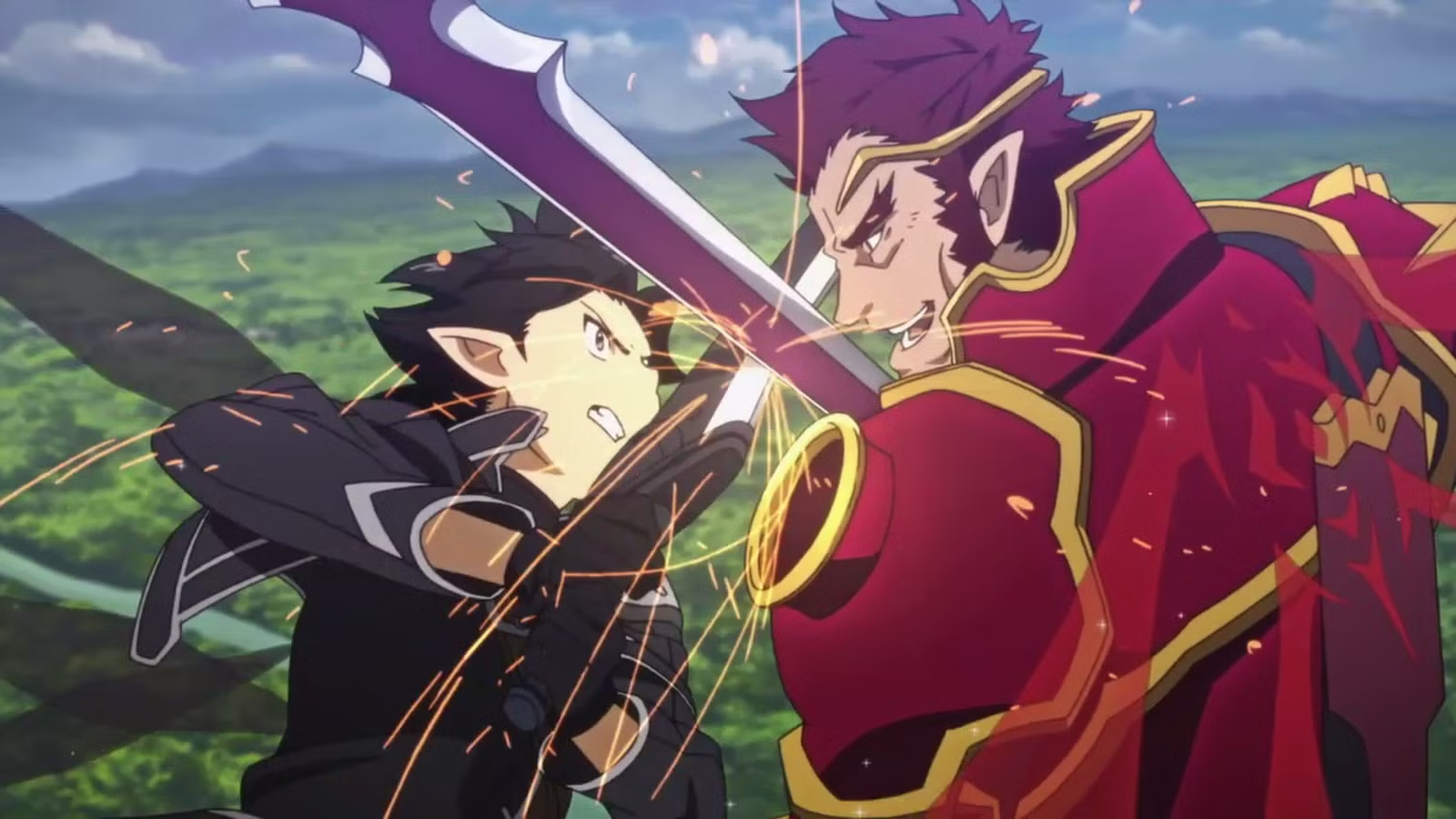
Sword Art Online helped define an entire generation’s relationship with anime. Aincrad offered an immediately gripping fantasy: thousands of players trapped inside a virtual world where losing a battle meant losing their lives. The anime’s action and imaginative settings made its appeal easy to understand. Its influence, however, does not erase its uneven execution.
Abrupt time jumps weaken parts of the original survival story, supporting characters sometimes struggle for relevance, and certain villains rely more on cruelty than convincing motivations. The 2010s produced plenty of anime that fulfilled their ambitions more convincingly. These series offer stronger development, more purposeful storytelling and emotional payoffs that justify audiences’ investment.
ERASED Gives Its Rescue Story the Emotional Depth Sword Art Online Often Lacks
-
 Image via A-1 Pictures
-
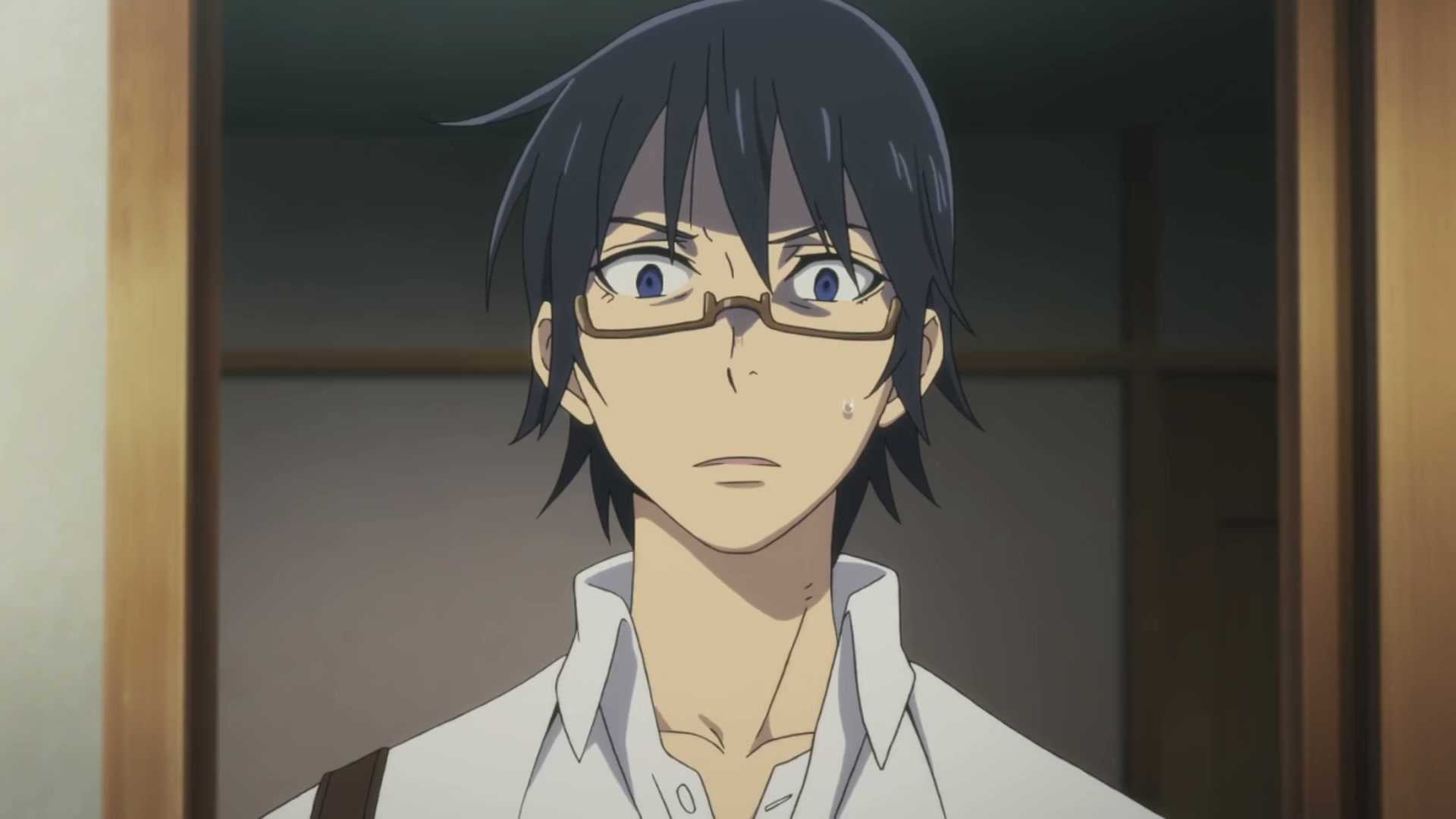 Image via A-1 Pictures
-
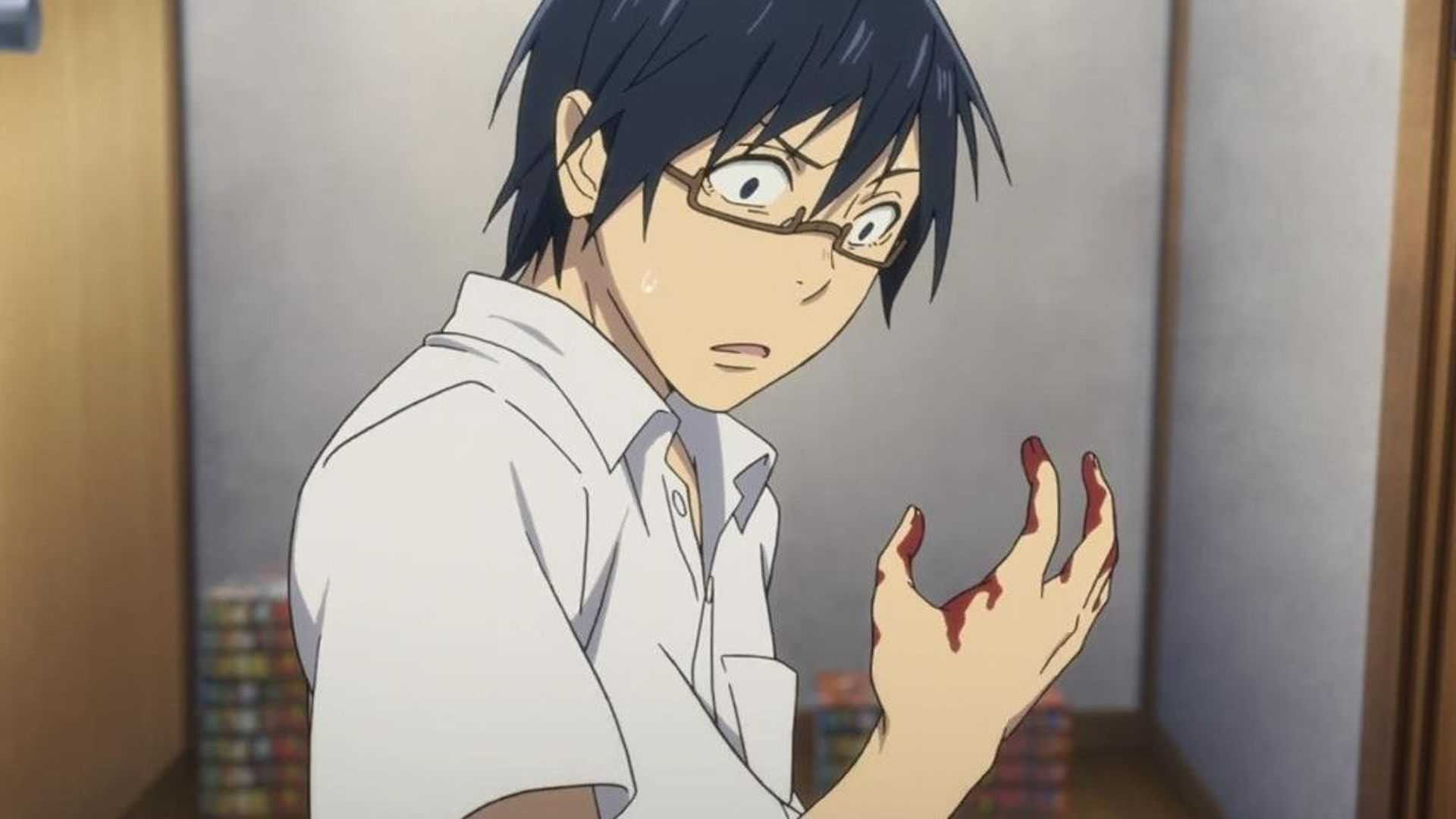 Image via A-1 Pictures
Satoru Fujinuma possesses an involuntary ability that sends him back in time before life-threatening incidents. When a crisis returns him to his childhood, preventing a tragedy requires him to reconsider warning signs he once overlooked. ERASED is especially powerful when it concentrates on Kayo Hinazuki. Satoru cannot protect her simply by identifying a dangerous person.
He must notice her isolation, earn her trust, and involve people capable of providing the safety she has been denied. This gives the anime’s rescue story a stronger emotional foundation than Sword Art Online. Kayo’s circumstances receive attention beyond their usefulness as motivation for the protagonist, and small changes in her daily life become meaningful victories.
Ping Pong’s Victories Mean More Because Its Defeats Matter as Well

Ping Pong the Animation needs remarkably little time to establish that every player brings a different emotional burden to the table. Peco’s confidence, Smile’s detachment, Kong’s frustration and Kazama’s discipline all influence how they compete. Their matches matter because losing threatens something different for each player. One fears becoming ordinary, while another struggles under high expectations.
The unusual artwork gives the players’ internal experiences a physical presence. The anime’s strongest advantage over Sword Art Online is how generously it develops its ensemble. Rivals retain emotional importance after their immediate competitive purpose has passed. The series gives an entire group of players room to discover who they are beyond their talent.
Psycho-Pass Shows How an Efficient System Can Still Be Profoundly Unjust

The first season of Psycho-Pass shows a society where psychological assessments determine a person’s criminal potential. Its police operate within that system, using weapons that can authorize lethal force according to judgments made beyond the individual officer’s control. Akane Tsunemori enters that system as an inexperienced inspector who wants to do useful work.
Her development comes from encountering situations where official procedure and moral responsibility refuse to align. Sword Art Online also explores technological systems with enormous power over human lives. Psycho-Pass examines that relationship more consistently, allowing its institutions to shape everyday public behavior, professional relationships and the structure of its investigations.
March Comes in Like a Lion Offers a Richer Portrait of a Gifted, Isolated Hero

Rei Kiriyama is a teenage professional shogi player, but that achievement has given him little security outside the game. He lives with grief, strained family relationships, and a sense that his ability is the main justification for his place in other people’s lives. March Comes in Like a Lion explores those feelings with remarkable patience.
Compared to Sword Art Online, the anime offers a richer examination of an unusually gifted young protagonist. Rei’s competence cannot solve the problems defining his emotional life, and the people around him stay regardless of his talent. Its most satisfying changes emerge when he begins participating in relationships more openly, despite all the uncertainty that requires.
Madoka Magica Gives Every Rule and Sacrifice Lasting Significance
-
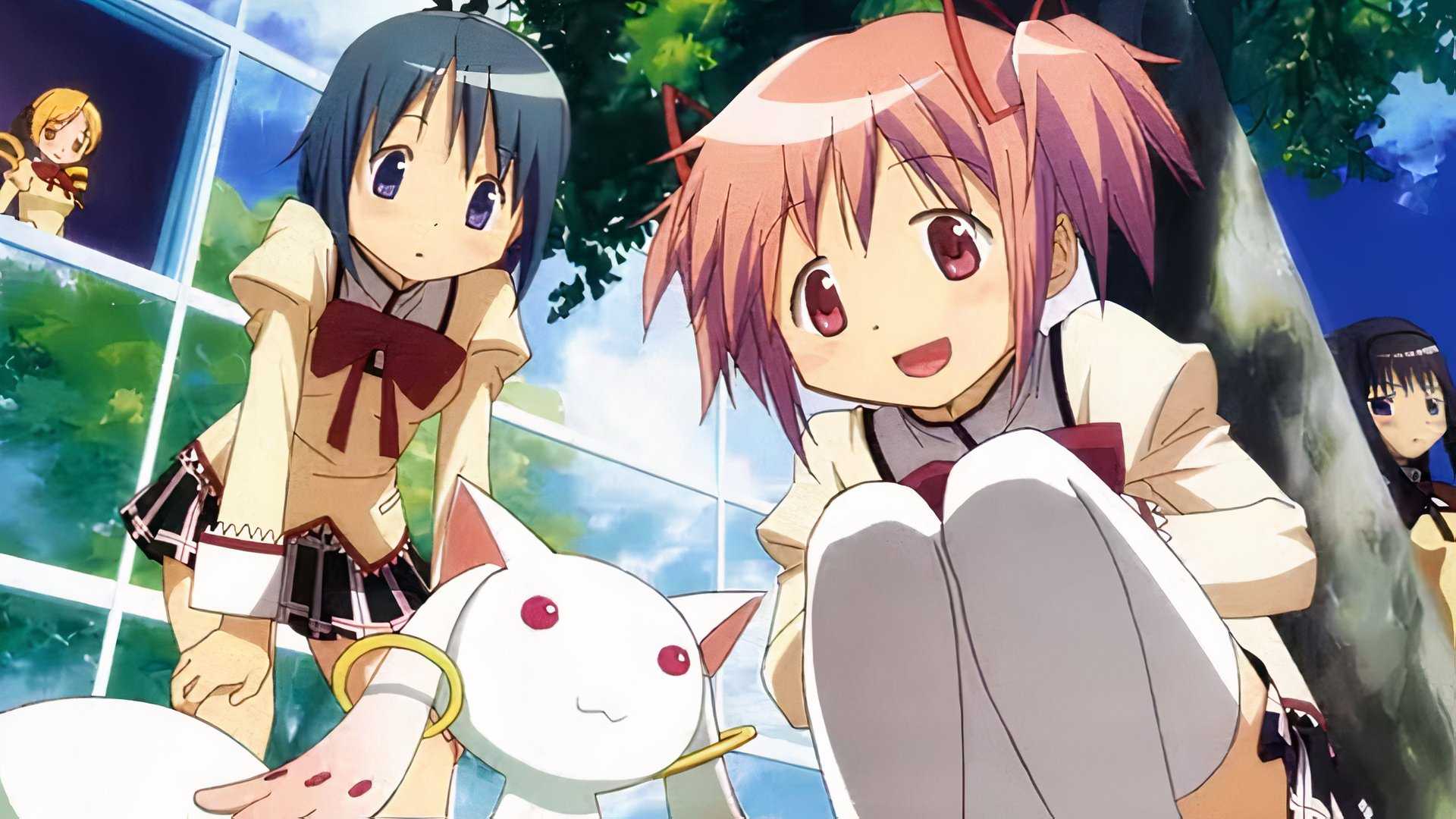 Image via Studio Shaft
-
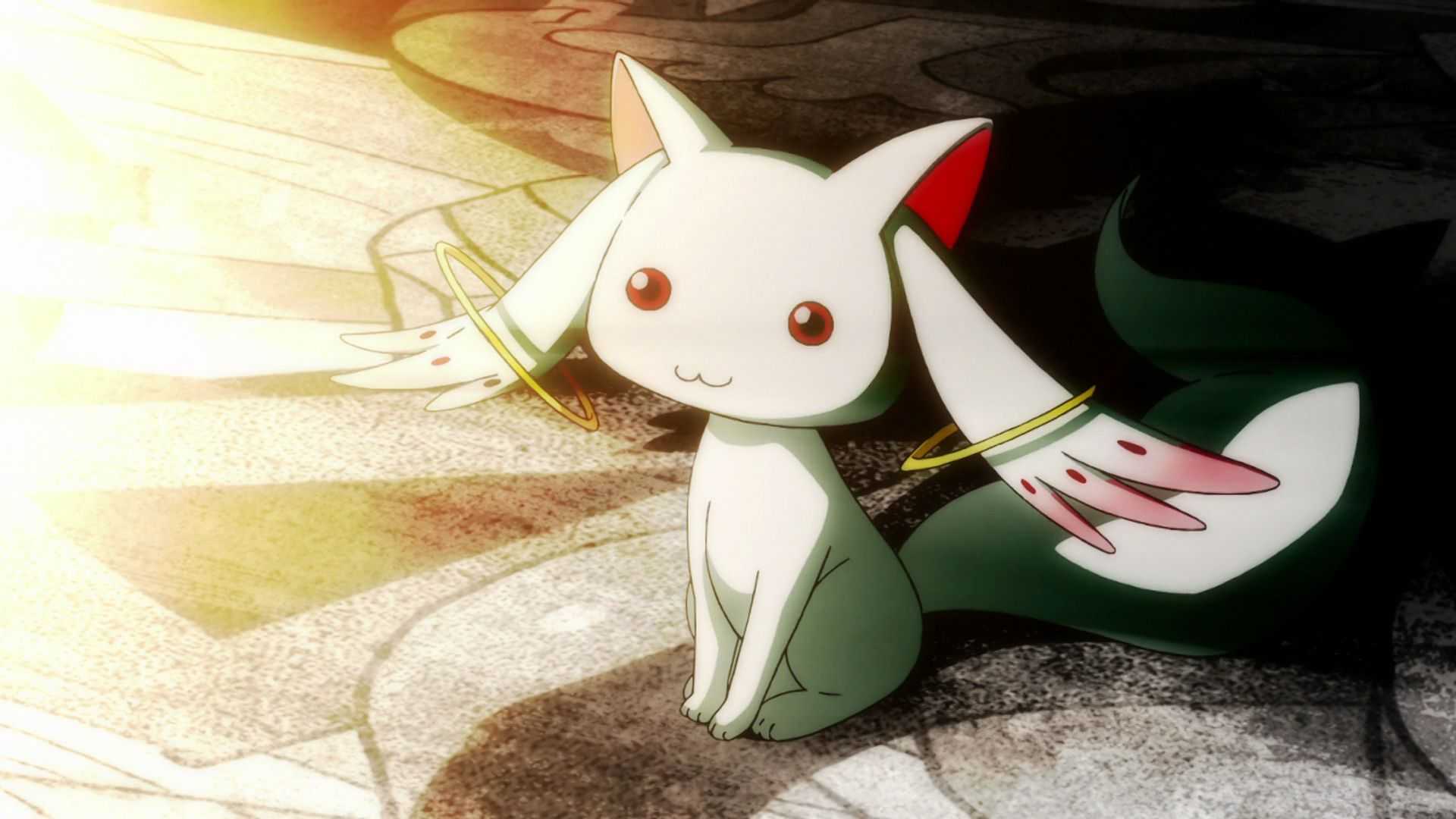 Image via Studio Shaft
-
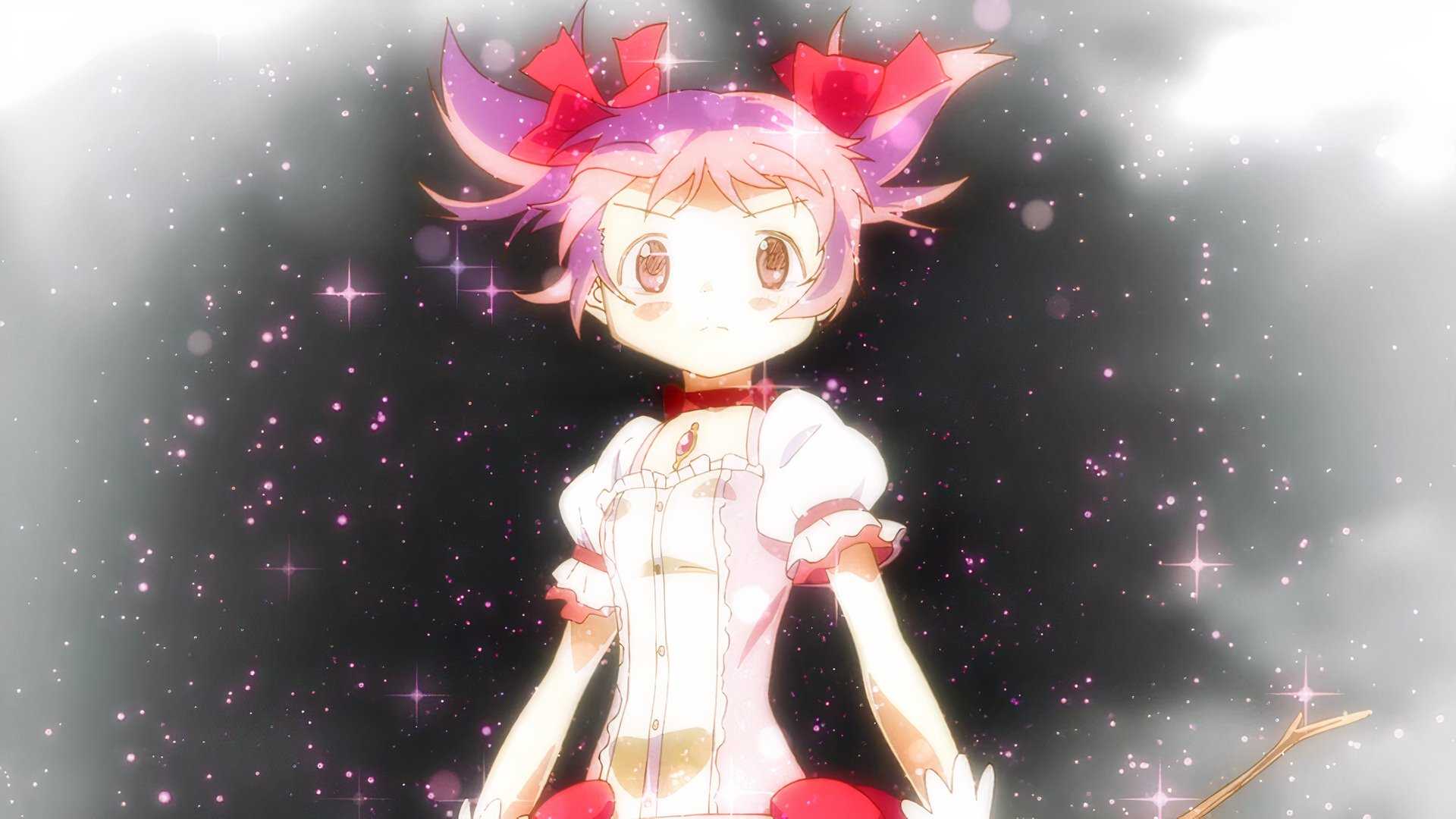 Image via Studio Shaft
In Puella Magi Madoka Magica, Kyubey proposes what seems to be a generous offer: get a wish granted in exchange for being a magical girl and fighting witches. The anime’s twelve-episode story gradually examines the information missing from that offer and the emotional vulnerabilities that make accepting it attractive. The characters’ wishes reveal more than their immediate desires.
Madoka’s uncertainty, Sayaka’s idealism and Homura’s guarded behavior influence the story. Its revelations work because they develop conflicts already present in the cast. New information changes how viewers interpret earlier choices, rather than simply introducing another danger once the previous one has been overcome. That precision puts it ahead of Sword Art Online’s less consistent handling of coercive systems.
Death Parade Delivers a More Focused Story About Life, Death and Human Worth

At Quindecim, recently deceased visitors participate in games overseen by the bartender, Decim. Their behavior under pressure is the basis for judgments they barely understand, turning familiar activities into unsettling examinations of memory, resentment and fear. That premise gives Death Parade an immediate point of comparison with Sword Art Online.
Both stories place people inside systems where games have consequences far beyond winning or losing. Death Parade, however, repeatedly asks whether manufacturing someone’s worst moment can reveal anything reliable about the life they lived. The result is a compact drama whose unsettling games lead toward a moving consideration of empathy.
Steins;Gate Delivers on Its Science-Fiction Premise With Greater Precision

Steins;Gate initially asks viewers to spend time in an eccentric laboratory with people who argue, joke and become absorbed in experiments of uncertain value. That apparent lack of urgency establishes the relationships that will make its later developments so difficult to watch. The storytelling shows immense care with its central puzzle.
Minor details gain significance later, and attempts to repair damage create problems that follow from established choices. Its strongest revelations reward attention rather than replacing the rules whenever the plot needs another obstacle. By its conclusion, the eccentric conversations that once seemed incidental have become part of what makes the entire journey so rewarding.
Mob Psycho 100 Understands What an Overpowered Protagonist Still Needs to Learn

Shigeo Kageyama possesses psychic abilities capable of overwhelming almost anyone around him. His actual concerns, however, are improving himself and finding the courage to express his emotions. Mob Psycho 100 builds its central argument around that difference. The story takes his abilities seriously while refusing to treat them as proof that he deserves admiration or a shortcut to maturity.
His relationships make that idea convincing. The Body Improvement Club supports goals he must work toward gradually. Reigen’s mixture of dishonesty and genuine care creates a mentorship that deserves scrutiny. Where Sword Art Online frequently rewards Kirito’s exceptional competence, Mob Psycho 100 places greater emphasis on what exceptional competence cannot provide.
Hunter x Hunter Offers the Depth and Discovery Aincrad Needed

The 2011 adaptation of Hunter x Hunter begins with Gon Freecss wanting to become a Hunter and find his father. Its world soon reveals that professional recognition offers access to dangerous opportunities rather than proof of moral character. Each major arc develops a different part of that world.
Nen gives the anime’s conflicts unusual tactical depth. Its conditions and limitations allow information, preparation and personal priorities to determine a battle’s direction. Although the anime adaptation leaves the wider manga unfinished, its completed arcs repeatedly deliver exceptional dramatic payoff.
Attack on Titan Expands Without Leaving Its Earlier Questions Behind
-
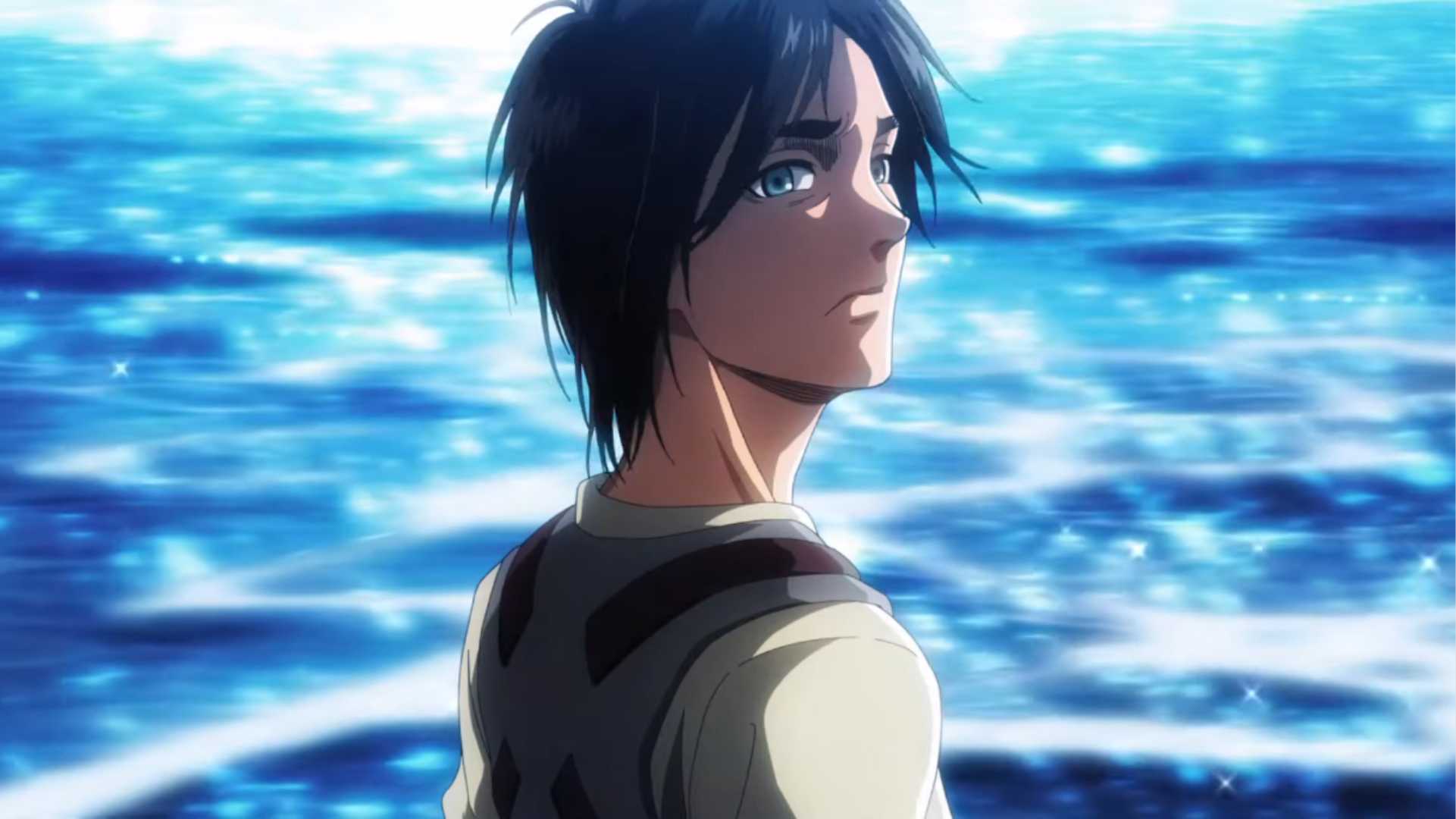 Image via Wit Studio
-
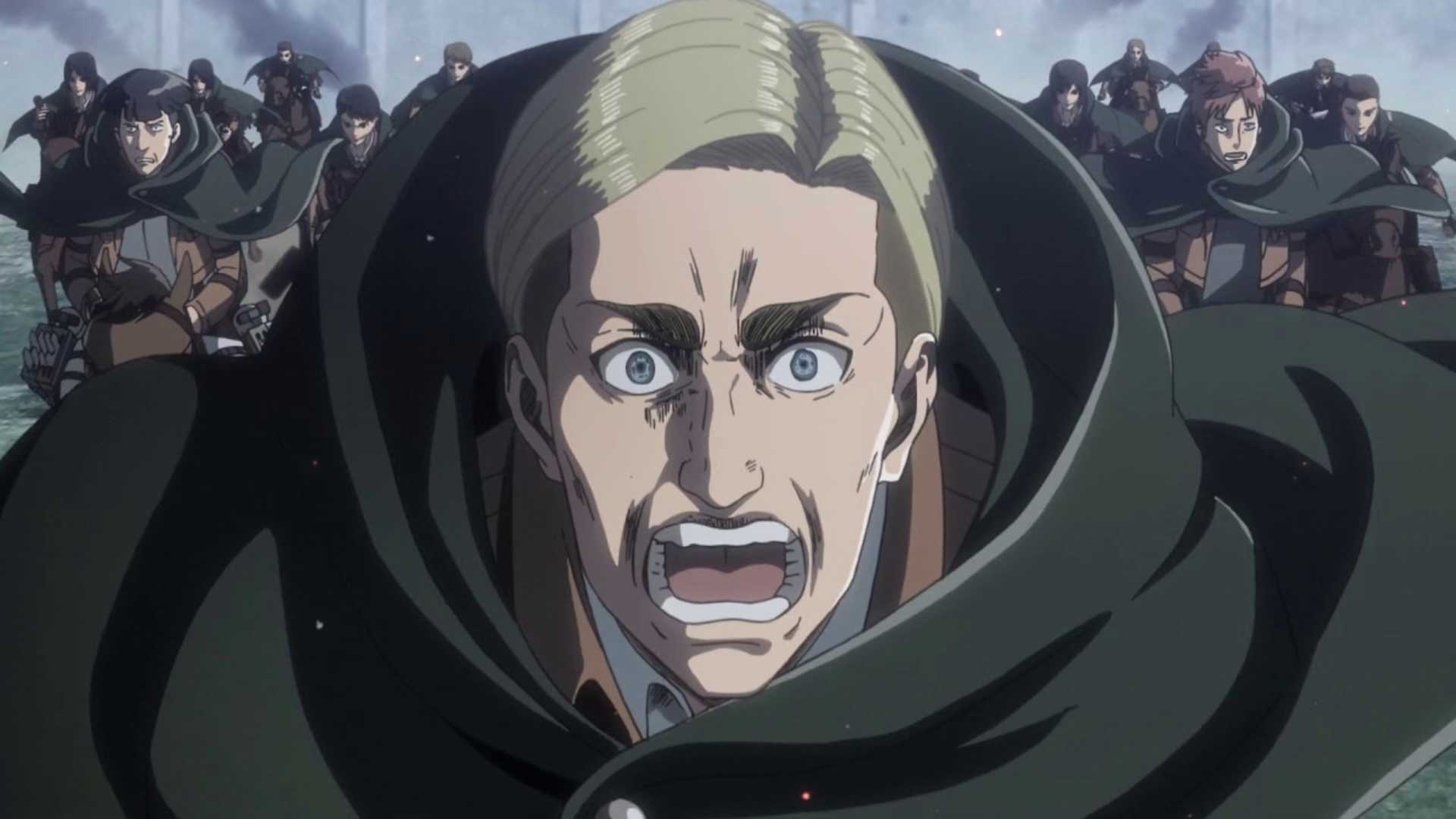 Image via Wit Studio
-
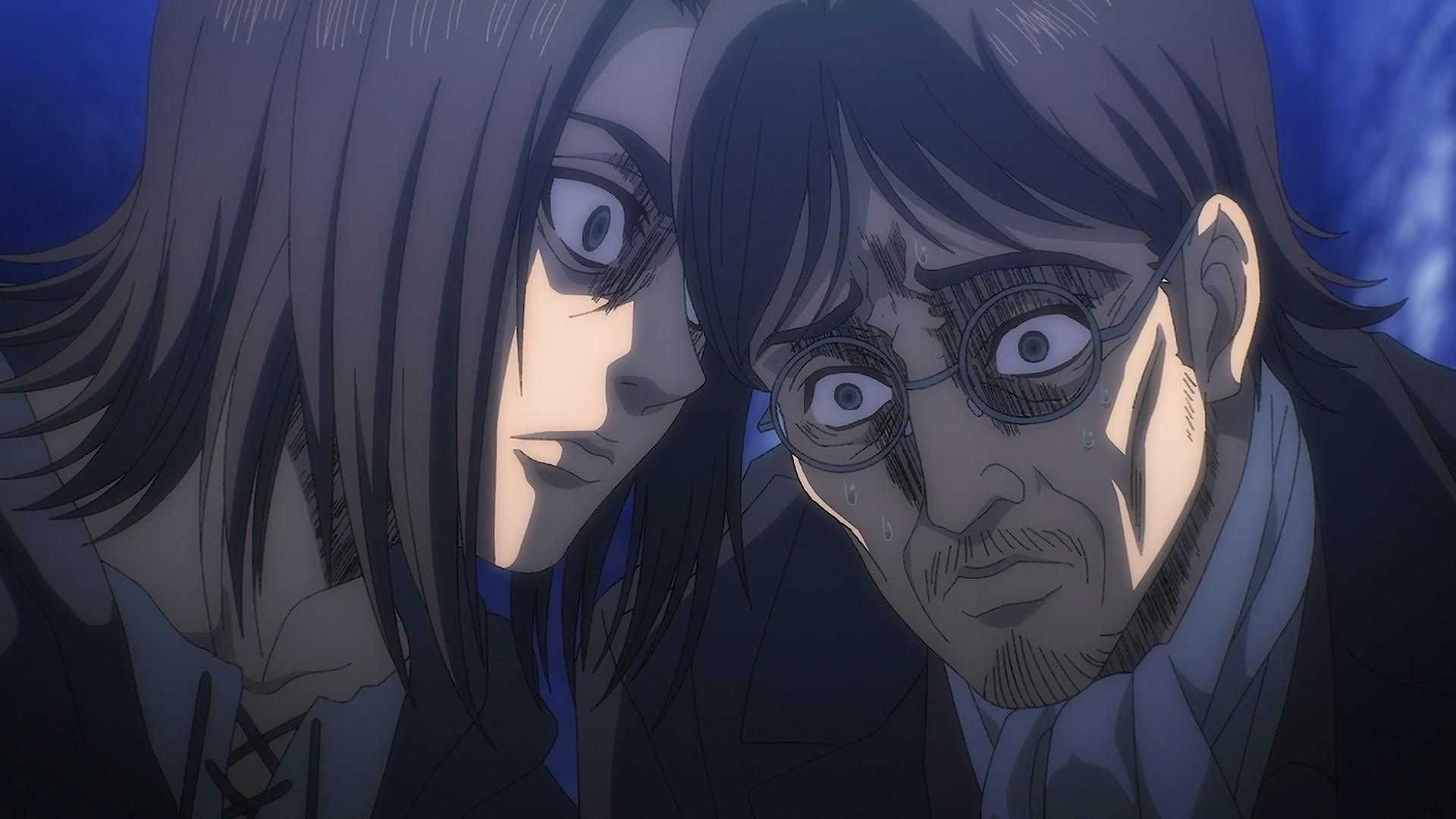 Image via MAPPA
Attack on Titan gradually reveals the historical forces behind the dangerous creatures the story initially focuses on. The anime’s greatest achievement is how often an answer changes the significance of something viewers already understand. The expanding world exposes the limits of the perspective through which that mystery was introduced. Its ensemble cast supports that process.
Characters enter the same institutions with different motives, and their loyalties become harder to maintain as new information emerges. A seemingly cowardly decision can become understandable without losing its consequences. That sustained development gives Attack on Titan an edge over Sword Art Online’s more abrupt transitions between major settings and conflicts.









Leave a Reply