
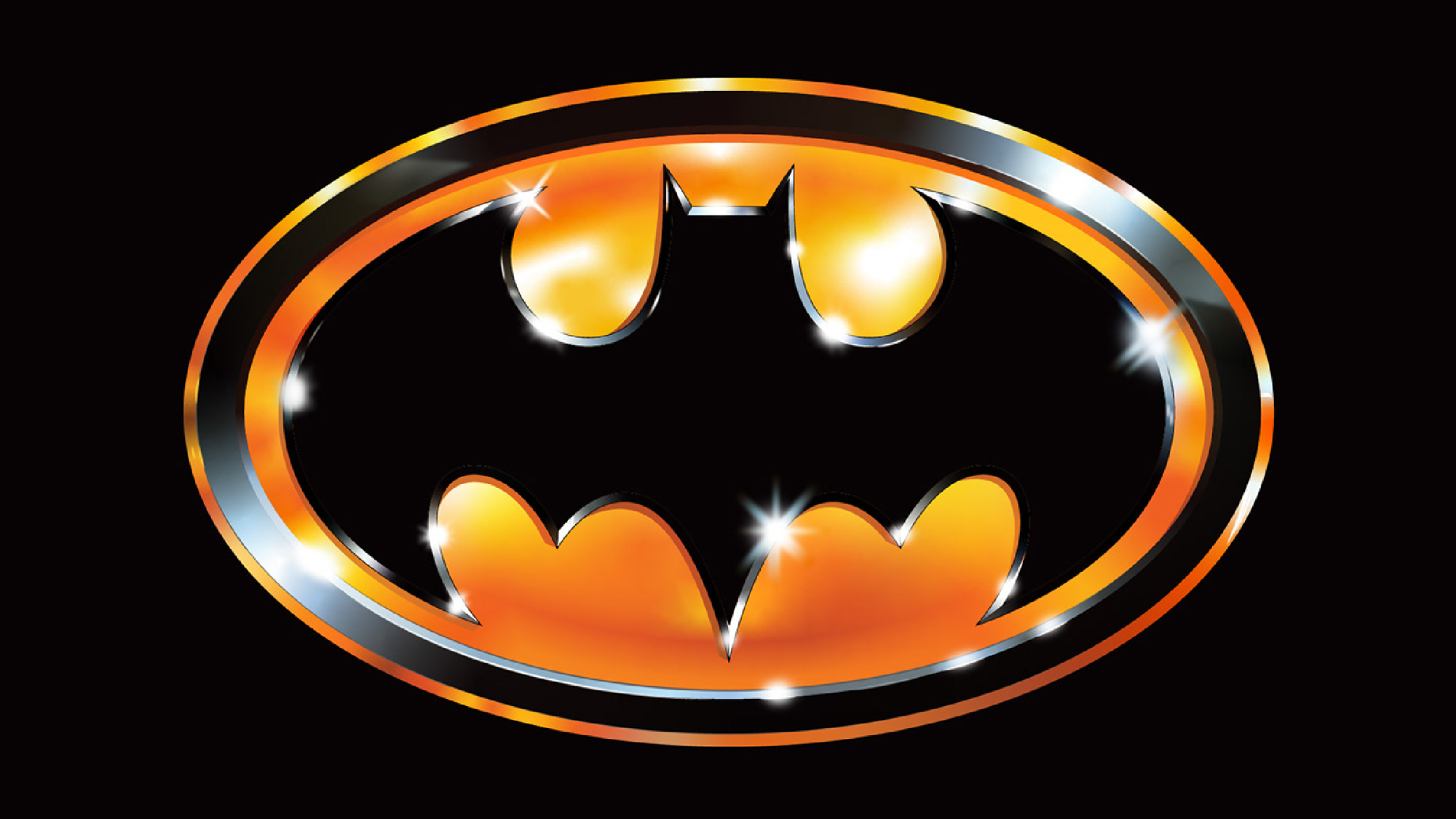
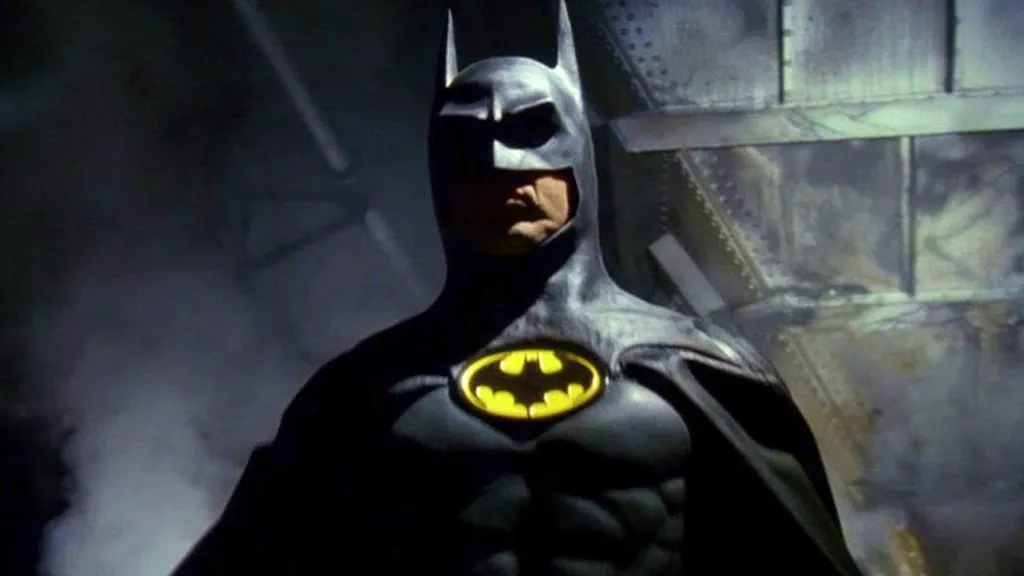
Batman has been around since 1939, but one movie in particular remains the most important film in the character’s history. It helped to secure his legacy as one of the most popular superheroes in the world and cemented him as a backbone of the DC universe. That is Batman (1989). It was directed by Tim Burton, had a score composed by Danny Elfman, and featured music by Prince. Set early in Batman’s crime-fighting career, the film starred Michael Keaton as Bruce Wayne/Batman, Michael Gough as Alfred Pennyworth, Kim Basinger as Vicky Vale, and Jack Nicholson as The Joker.
The reason that Batman is the most important movie in the character’s history is the impact it had on the character and the superhero genre. Batman was more on the realistic side, and Gotham City was dark, gritty, and crime-ridden, justifying the need for a masked vigilante to exist. It introduced the well-known but rarely used origin story in which Joker, originally the mobster Jack Napier, killed Thomas and Martha Wayne. It revitalized a character that had been far too campy for his own good.
From Campy to Cool
From 1966 to 1968, the Adam West-led Batman series aired on ABC for 120 episodes. Much to the disappointment of many fans, it was very comedic and campy, removing any seriousness from the caped crusader and his world. It was like Batman & Robin and Batman Forever but worse. It was made that way in an effort to appeal to all audiences, but after a while the show became too silly for its own good. While it was successful at driving up sales of struggling Batman comics, eventually the series became very repetitive, and ratings declined by the end of season two. Batgirl was added to the third season in an effort to revive viewership, but it did little to help, and the series came to an end. By the 1970s, Batman’s popularity was waning, in part due to this show.
In October 1979, Michael E. Uslan and Benjamin Melniker purchased the rights to Batman and began work to try to make a new film that would bring the character back to its dark and serious roots. Everyone they went to either wanted the film to be campy like the ’66 series or wouldn’t meet their contract demands, until 1980, when Warner Brothers decided to produce the film following their success with Superman (1978). Five years later, Tim Burton was hired to direct, and in 1989 Batman was released to theaters worldwide. A global sensation, the film grossed $411.6 million and revitalized the Batman brand. The theaters were packed, and new Bat-merch was everywhere.
The Legacy of the Bat

Tim Burton’s Batman was and is a vitally important film for the character and his legacy. Everything fans of the character have now, is owed to this film. With the brand back in the audience’s good graces, and seeing how successful the film was, Warner Bros. Animation created Batman: The Animated Series, which premiered in September 1992. The most beloved animated series to feature the character, which also introduced the world to the late Kevin Conroy. Conroy voiced Batman in the series, and he would go on to become the most prolific voice the character, with his final appearance as Batman releasing posthumously following his untimely passing from cancer in 2022. That series would lead to the creation of the DC Animated Universe, the popular and longest running DC comics animated universe. In June of 1992, Warner Bros. released a sequel to Batman: Batman Returns, once again directed by Tim Burton and starring Michael Keaton. It also spawned two further films, directed by Joel Schumacher and starring new actors as the titular hero, though they returned to camp and tarnished the brand once more.
Beyond Bat-media, Batman’s success also influenced superhero media and the film industry as a whole. The product tie-ins for the film were everywhere, and it sold like gangbusters, earning Warner Bros over $500 million from just merchandise (that would be over $1.3 billion today). This caused a greater push for tie-in products that continues to this day. It was the first film to have a shorter theater-to-home release window, something that is growing ever more common today. The success of Batman also showed other creatives and studios that superheroes could be successful on the big screen. While there would be a lull after the campy and cheesy Joel Schumacher films hurt the genre a bit, Marvel broke into theaters in the early 2000s with its Spider-Man films, following Batman‘s lead for success, and that would eventually lead to the creation of the MCU. The impact the film had on the character and the film industry is hard to fully quantify. It touched so much in such a multitude of ways. That’s why Batman (1989) is the most important Batman film.
What is your favorite Batman movie? Let us know in the comments.




Leave a Reply