
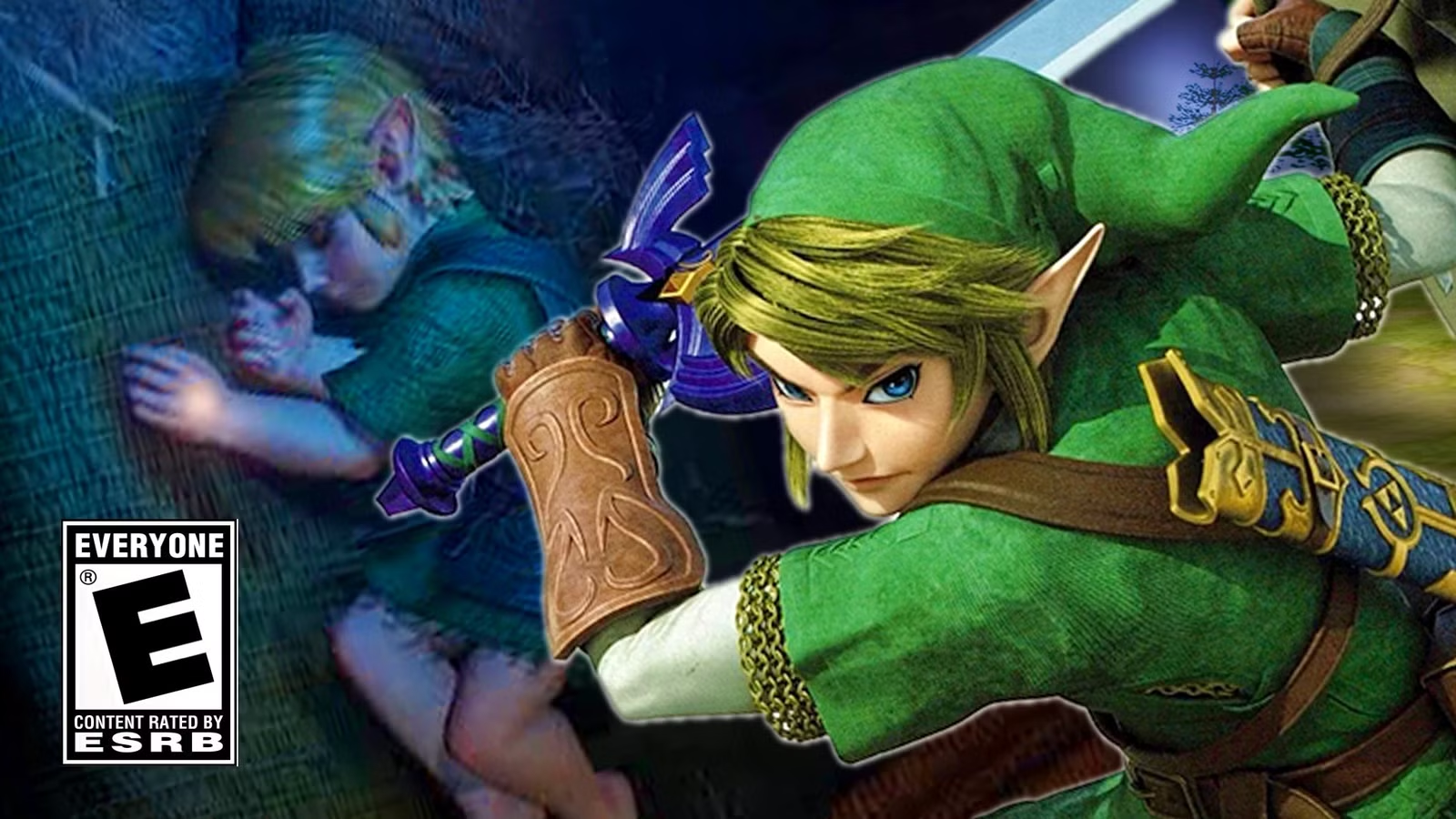
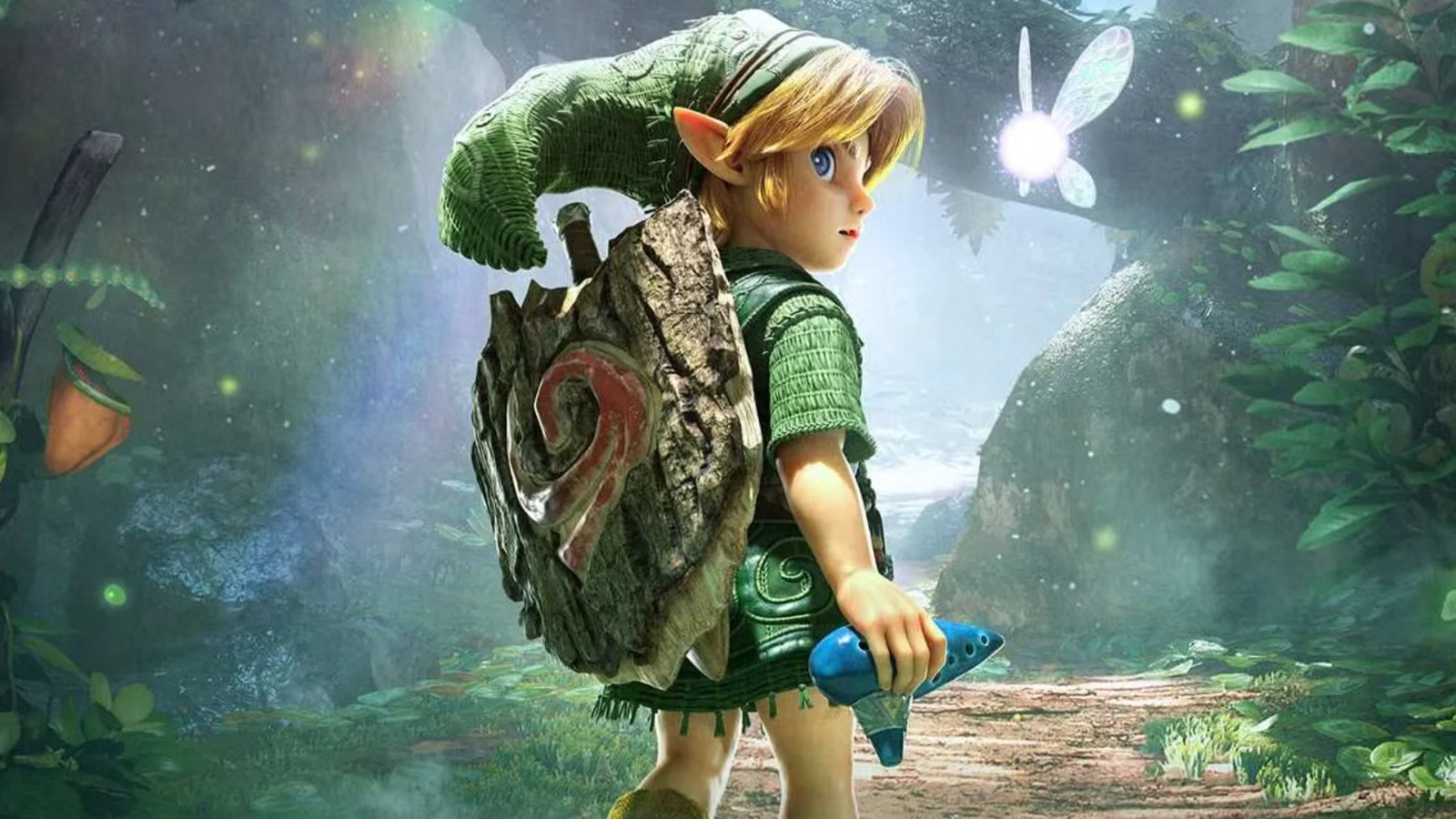
Nintendo just revealed The Legend of Zelda: Ocarina of Time’s official ESRB rating, and it’s not the one most fans wanted, but it’s the one they always should’ve expected.
For better or worse, Ocarina of Time’s Switch 2 remake is Rated E for Everyone (as per Nintendo’s official website), just like the N64 original. Many Zelda fans were hoping for a T rating for the game this time around because the increased realism of the graphics should’ve theoretically made the OG game’s more creepy sections too horrifying for anything less.
While it might seem hard to imagine how a realistic version of the Bottom of the Well could warrant anything under a Teen rating, there’s actually reason to believe this all isn’t as bad as it looks.
Ocarina of Time Was Never Actually as Scary as Zelda Fans Remember

In hindsight, yes, every kid who played Ocarina of Time for the N64 back in the late 90s was genuinely creeped out when they fought Dead Hand or traversed the Shadow Temple for the first time. Heck, even the Forest Temple had an eery enough atmosphere to leave players with nightmares.
But that’s the thing: Ocarina of Time was always more about how the atmosphere made the player feel, rather than the literal imagery itself. Looked at for their character models on their own, the Redeads don’t even actually look that scary. It was the combination of that blackened sky amid the ominous silence of Castle Town in the Adult Timeline that made it so utterly terrifying when the Redeads’ screeching cries cut through the quiet.

The Legend of Zelda: Ocarina of Time is all about how the visuals, sound effects and gameplay all combine to leave an impression on players, much more than just any one of those things. It’s very feasible to imagine a world where the Ocarina of Time remake is just as creepy as the original felt in the 90s when it needs to be, and it doesn’t need explicitly horrifying visuals to do that.
And, perhaps most important for players who were around when the 3DS remake dropped, it’s still possible for the blood in the game to be red, even with an E Rating.
Ocarina of Time is a Game That’s Meant to Be Played By Everyone
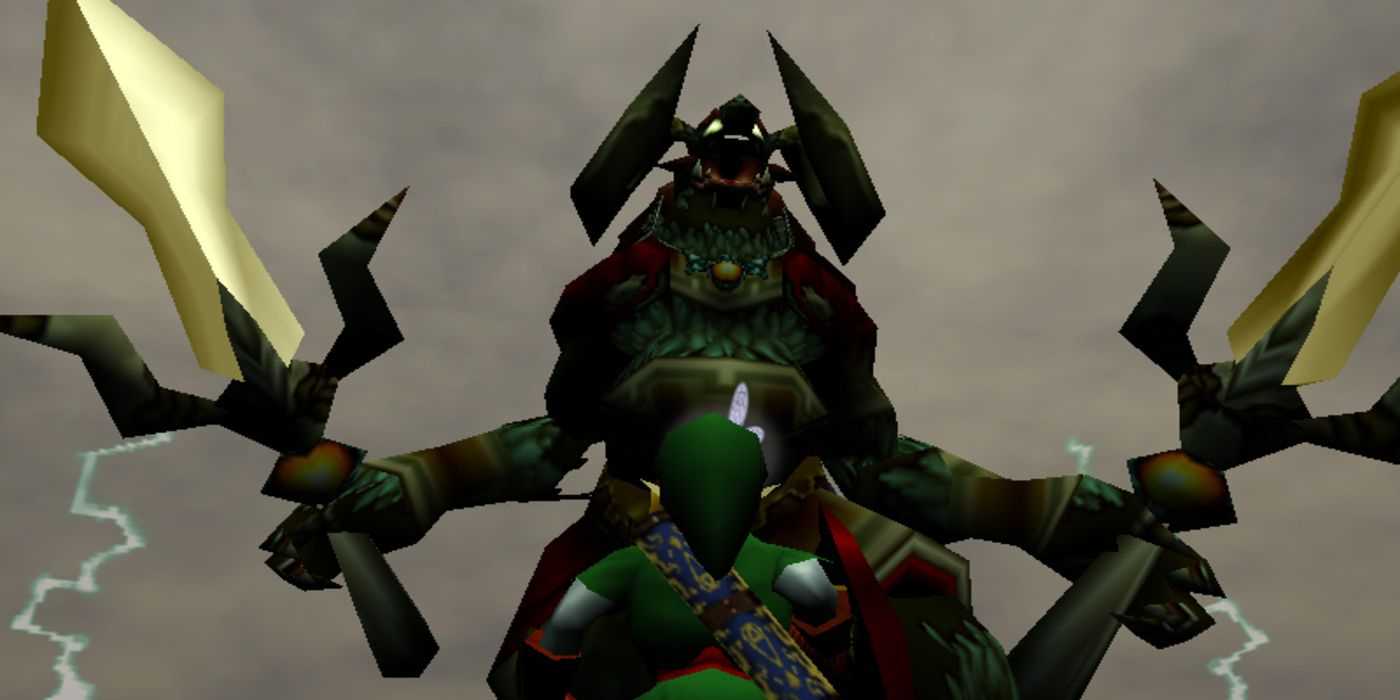
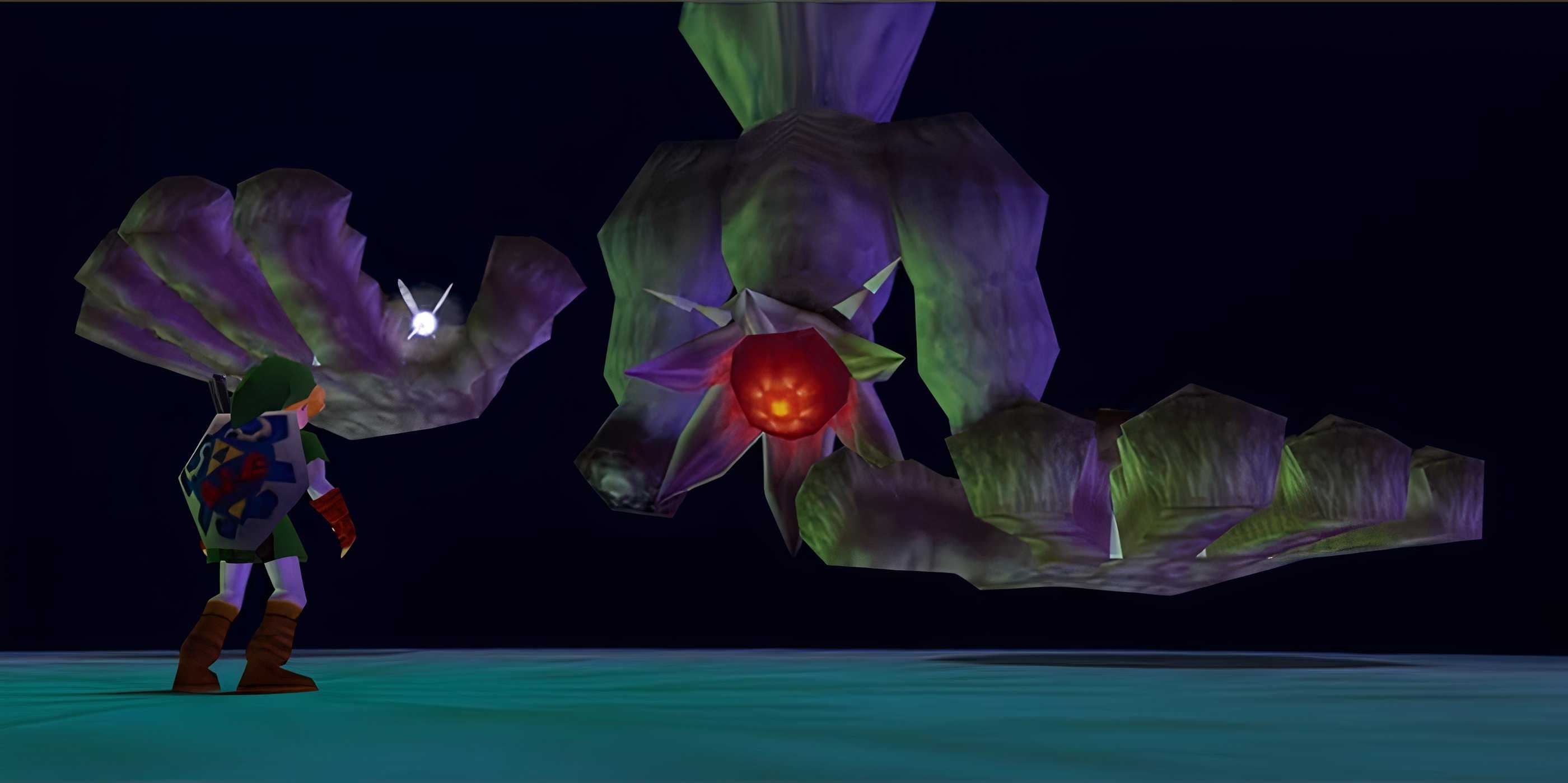
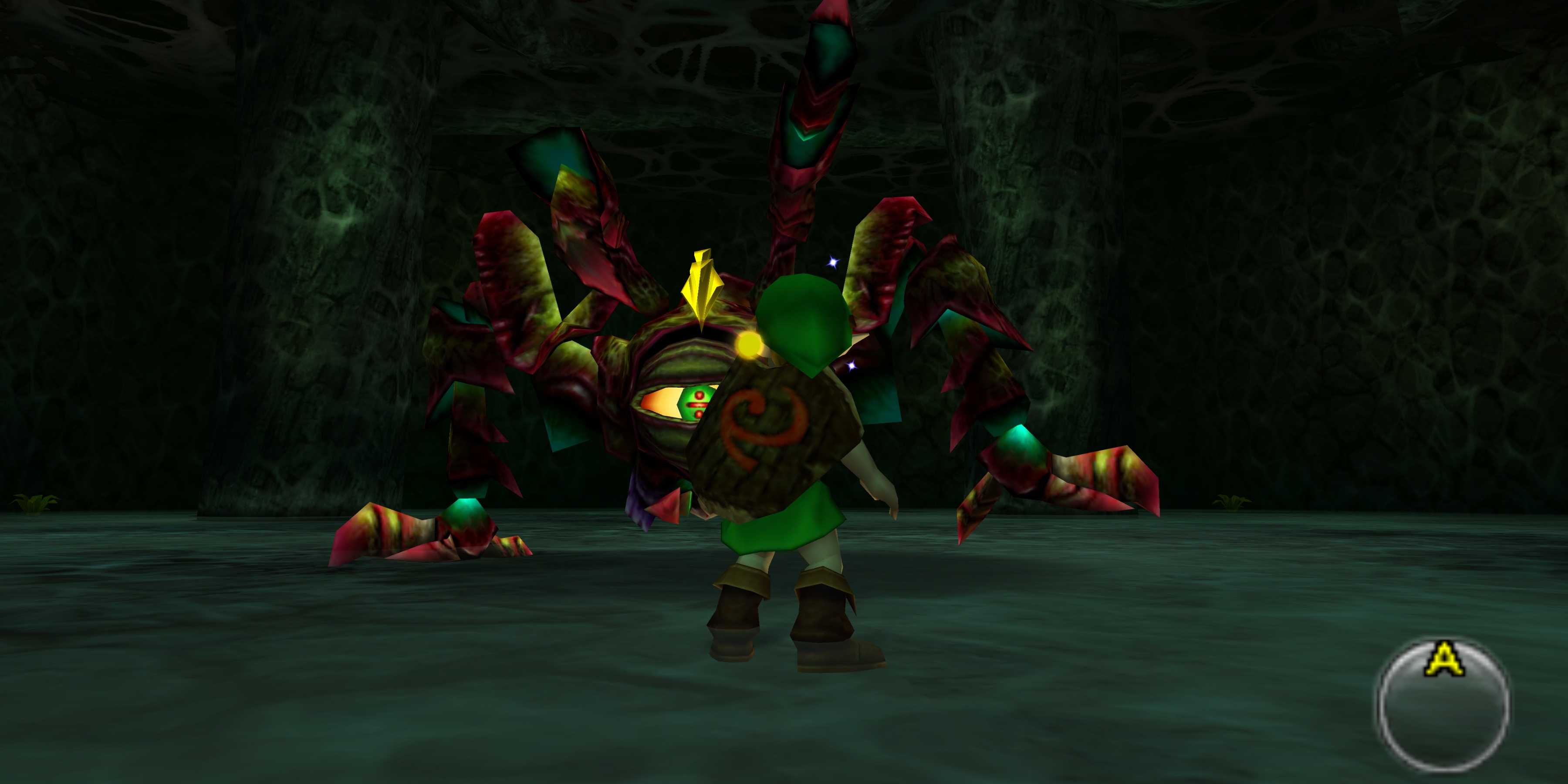
Looking back at the models of Dead Hand, Bongo Bongo or even Ganon in the OG N64 game, it’s clear that their imagery alone wasn’t enough to leave the lifelong impression on fans that they did. In fact, they had an almost cartoonish, whimsical appearance when viewed for what they are alone, outside the context of the game itself.
It was the full combination of the models, lighting, music, sound effects and their attacks that made those monsters so memorable, and there is absolutely no reason the remake can’t replicate that effect, especially with greater visual fidelity. The Bottom of the Well was never terrifying because of the scary things it showed; it was what little it actually showed that fed into players’ imaginations that made the difference.
It’s how the game made players wonder about what could’ve happened in that well that left an impression, not what the well actually showed.

It’s also relevant to consider how a game considered by most gamers to be far more creepy than Ocarina of Time ever was, Majora’s Mask, was also rated E. But like Majora’s Mask, Ocarina of Time is not a video game meant for teens or adults. It’s made for everyone. That’s actually part of why it’s special, and why it’s considered such a classic that was able to leave an impact on so many people.
The Legend of Zelda: Ocarina of Time is a game that’s supposed to be shocking in those horrifying moments precisely because they’re not the focal point of the journey, they’re just one part of it. Ocarina of Time is a timeless adventure that’s meant to be enjoyed by multiple generations of players, so having it rated E, even if it means maybe toning down the gore in the Bottom of the Well, is really the right choice.

- Released
-
2026
- Developer(s)
-
Nintendo
- Publisher(s)
-
Nintendo
- Number of Players
-
Single-player








Leave a Reply