
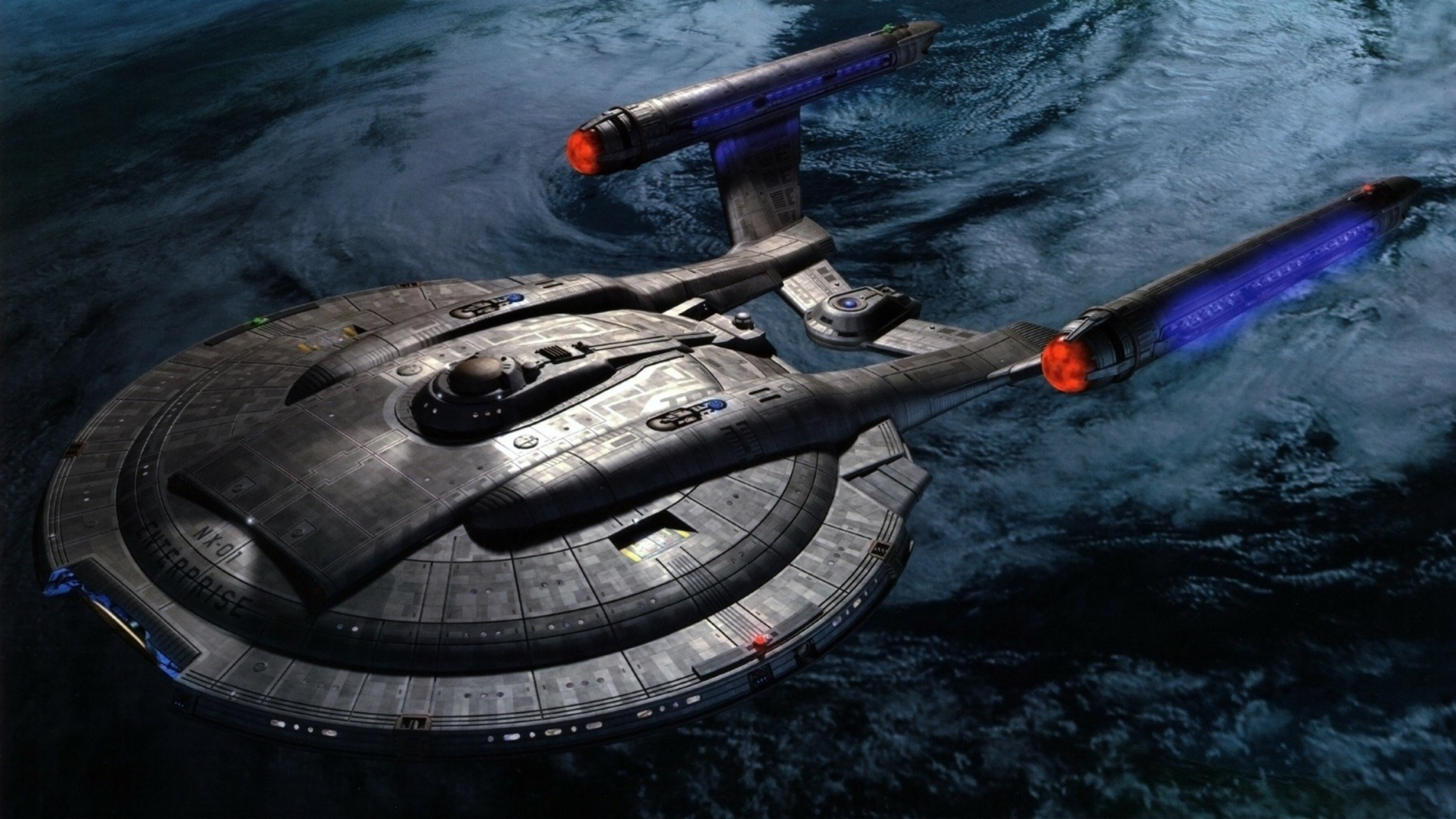
Star Trek launched a new series 25 years ago, and it was a fresh start for the series, but it ended up so polarizing that it ended the entire franchise for several years. Star Trek got its start with Star Trek: The Original Series in 1966, a show that ran for three seasons before NBC cancelled the series. In the 1970s, the series continued on with Star Trek: The Animated Series, which ran for two seasons. However, things picked up in 1987 with Star Trek: The Next Generation, and that started a long run where there was a Star Trek series in production from 1987 until 2005.
The 18-year run came to an end thanks to Star Trek: Enterprise, which premiered on September 26, 2001. At the time, it was only known as Enterprise, with the Star Trek name added back to the title in its third season. UPN then cancelled the series after its fourth season, the first Star Trek live-action series to be cancelled since The Original Series, and that ended Star Trek’s run on television for 12 years.
Star Trek: Enterprise Debuted 25 Years Ago
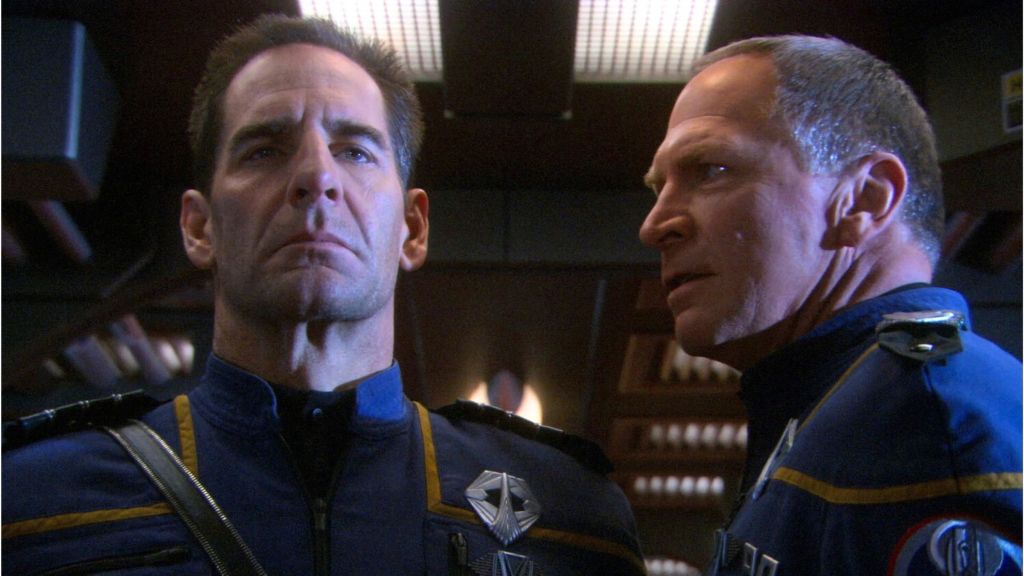
Star Trek: Enterprise debuted on UPN 25 years ago, and it was the first series in the franchise not to use the Star Trek name in the title. Star Trek was at a crossroads at this time. Star Trek: Deep Space Nine had just ended, and Star Trek: Voyager was scheduled to end, so Paramount was looking for the next series to carry the franchise on. Rick Berman and Brannon Braga decided to create a new series that was set in an earlier period than Deep Space Nine and Voyager, which opened up a new part of the Star Trek universe to explore.
The premiere was a double-length episode called “Broken Bow,” which showed the action starting on Earth in 2121, introducing a young Jonathan Archer, before it jumps to 30 years later with a Klingon named Klaang, who crashes to Earth in Broken Bow, Oklahoma. He ends up being critically wounded by a farmer. Archer is now a captain and is preparing to launch a prototype starship called the Enterprise NX-01, and in their first mission, they agree to take Klaang to Qo’noS. This presents the storyline that introduces the new cast. Scott Bakula starred as Captain Jonathan Archer, while Jolene Blalock is Science Officer T’Pol, Connor Trinneer plays Chief Engineer Trip Tucker III, Dominic Keating is Tactical Officer Malcolm Reed, and Linda Park plays Communications Officer Hoshi Sato.
The first two seasons consisted of mostly standalone episodes that explored humanity’s early relations with the Vulcans, Klingons, and Andorians. However, after premiering with an audience of 12.54 million viewers, those numbers dropped to 9.18 million for the third episode and all the way down to 5.28 million by the first season finale. By the second season finale, the viewership numbers had dropped all the way to 3.88 million.
Star Trek: Enterprise Changed Too Much About the Franchise for Old-School Fans
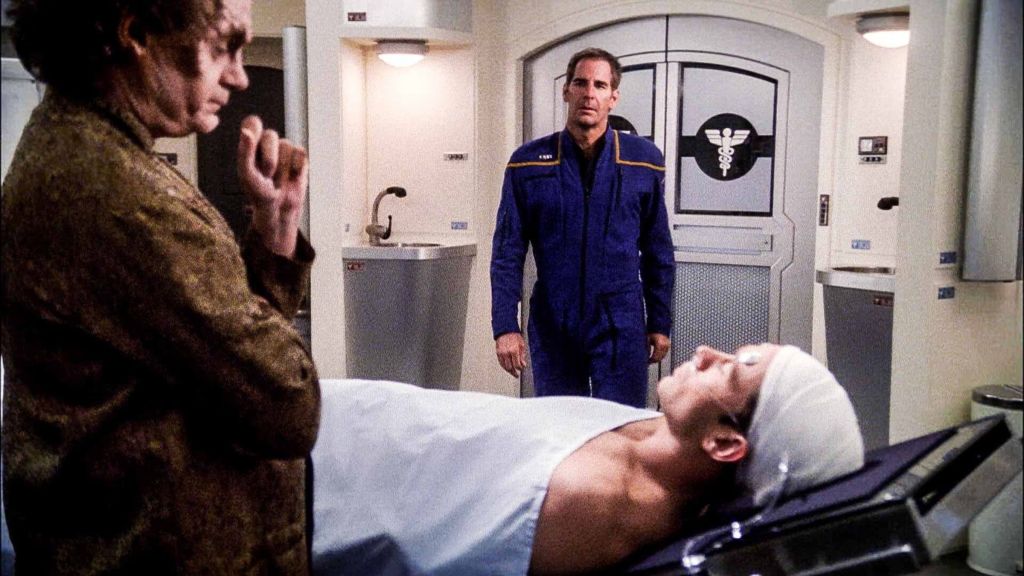
Star Trek: Enterprise was very different from any Star Trek series that came before. From the top, the series didn’t even use the Star Trek name in the title, only calling it Enterprise. There was also a controversial decision to shake up the opening theme song, where the series used a song by Russell Watson called “Faith of the Heart,” which was unlike the main Star Trek prefix from earlier shows. The first contact with alien races that were already familiar to fans made for a good prequel idea, but there was little to worry about since everyone knew how it all ended up.
UPN decided the problems with the ratings had to do with the show’s title. In the third season, the show was retitled as Star Trek: Enterprise. This also led to a change in how the stories were being told. The first two seasons were all about the philosophical stand-alone dramatic episodes, but UPN wanted more action. Instead of the drama, the third season added a lot more action-driven plots with a single, serialized storyline. The third season had the long story of the crew trying to keep Earth from being destroyed by a newly introduced alien species known as the Xindi. While UPN hoped this would fix things, it wasn’t enough.
UPN ended up cancelling Star Trek: Enterprise after its fourth season, the first time a network cancelled a Star Trek series since the original. This ended the long run of Star Trek television shows, and there wasn’t a new one on TV for 12 years. It didn’t end Star Trek completely, as J.J. Abrams’ alternate-universe Star Trek movies played out during the TV hiatus. This hiatus finally ended in 2017 with the launch of Star Trek: Discovery in 2017, the franchise’s entry into the streaming era.





Leave a Reply