

As computers became an essential asset to every home and classroom in the early 2000s, the rise in popularity of flash games was inevitable. A product of their era, many of these iconic games were free-to-play, which meant gamers could lose themselves for hours on end without worrying about topping up accounts or paying fees beyond their internet connection.
The popularity of games like The World’s Hardest Game were so widely played, they were often the subject of conversation on school playgrounds and around office water coolers. Not only were these games great home entertainment, but often provided an excellent way to kill time at work between important tasks or during lunch hours. When Adobe got rid of Flash near the end of 2020, widespread devastation struck an entire generation of gamers who grew up on it, but the games of that era will never be forgotten.
Defend Your Castle Was One of the Best Tower Defense Flash Games

An engaging strategy game, Defend Your Castle is precisely what the title states. Players had to defend their castle from invading forces. As the game went on, the player was able to recruit many of the same types of fighters that the enemy was able to use. While there were typical attacking forces like archers, there were also more whimsical antagonists like wizards.
The variety in attackers and the eventual defense choices kept the game feeling fresh. Each try could be new as players experimented with different combinations to counter the attacking forces. While the game was popular enough to warrant the creation of a prequel, the original Defend Your Castle is still the early 2000s computer game that inspires the most nostalgia.
The Last Stand Was a Zombie Apocalypse Flash Game Series

Between Sean of the Dead and 28 Days Later, zombies were huge in the 2000s, and The Last Stand series was part of that trend. In the game, players take on the role of the survivor of a zombie apocalypse and must scavenge for weapons and build a barricade that can keep out the zombie hordes. To beat The Last Stand, players had to survive for 20 days and nights, which was no small feat.
Even though it was a Flash game from the 2000s, The Last Stand was good enough to hold its own against some of the best survival games, and it wound up spawning multiple sequels. All of The Last Stand games have been remastered and released on Steam, so anyone with fond memories of trying to keep zombies from breaking through their barricade can relive the magic at any time.
Pandemic 2 Was an Early Flash Version of Plague Inc.

Plague Inc. was a wildly successful game, one whose success has even resulted in the release of a sequel. However, four years before the release of Plague Inc., a Flash game with a similar presence was gaining recognition for its fun. Pandemic 2 centers on spreading a virus as quickly as possible.
The game’s creator intended for Pandemic 2 to be a learning experience. As players try to infect the world, they also gain a greater understanding of how such an illness can spread. With various upgrades and starting points, Pandemic 2 could also be replayed multiple times. Multiple countries could act as a starting point, along with two different modes, and players could increase or decrease the difficulty according to their preferences.
Super Smash Flash Was an Exciting, Free Alternative to Super Smash Bros.

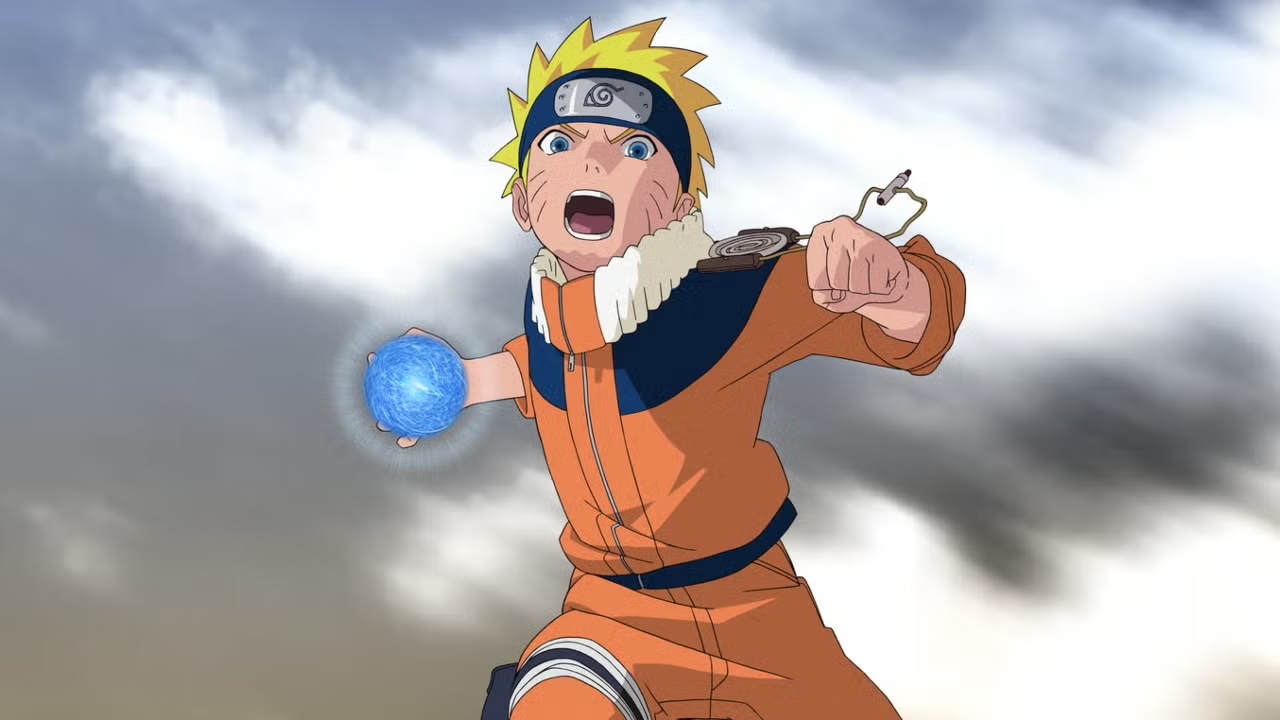
As can be guessed by the name, Super Smash Flash is a Flash version of Super Smash Bros. Melee, but there are several key differences. Aside from being a free game, Super Smash Flash also included a wider range of characters, including Inuyasha, Sonic, and Naruto.
The fluidity of the gameplay made Super Smash Flash an instant success in the early 2000s computer game scene. It was everything that a gamer could ask for from a Super Smash Bros. knock-off. With altered mechanics and new stages to go along with the novel characters, there was a lot for players to discover in this great 2000s Flash game.
Madness Interactive Was a Violent But Fun Flash Game

Madness Interactive had both a story mode and several challenges to complete. In the story mode, the player is tasked with killing a sheriff because he has stolen the player’s pie. With fifteen main levels leading up to the final confrontation, Madness Interactive moves the player through several different environments and gives them a variety of weaponry.
At the end of the game, the player is ranked in various ways, including accuracy, number of kills and deaths, and the game subsequently rewards them with cheats. Those looking for an extra challenge could undertake several that the developers built into the game, like starting the game without a weapon, turning enemies into zombies, and evading lasers that can be destroyed by periodically spawning pistols.
Powder Game Was the Best Mindless Interactive Game

The 2000s were full of the most random, pointless games that were also incredibly entertaining. While many people fondly remember classic iPod games like Sky Burger, there were also plenty of flash games that scratched the itch of every child sitting in their family’s computer room. Powder Game was a physics-based sandbox game that essentially put players in the role of a god who was building a world.
Players would load into an empty “world” that was just an open box and could then choose from various elements and particles to pour into the box. With sand, water, fire, and much more, players could attempt to create intricate patterns and landscapes as they pleased. The freedom and exciting physics could keep people engrossed for hours.
Stick RPG Was the Free, Stick-Man Version of GTA

Just as stick characters were a staple in the 2000s, so were crass, drug-filled storylines. While many parents likely refused to buy their children games like Rockstar’s blockbuster GTA series or Saints Row, unsupervised access to the growing internet was rampant. As such, many late-90s kids (and even adults) found joy in the pleasures of Stick RPG.
From skateboarding around town to getting into bar fights, Stick RPG was all the rage in the 2000s. Players could build different stats, such as strength, while also working jobs to earn money. Despite its age and simple style, Stick RPG will always be remembered fondly. It was exceptionally fleshed out and was easily one of the best flash games ever.
Learn to Fly Was About Making a Penguin’s Dreams Come True

Penguins are flightless birds, but that doesn’t make them any less beloved. Learn to Fly was about taking to the skies as an adorable little penguin. Of course, using the penguin’s wings was off the table, so this penguin needed other means to fly, such as a rocket launcher strapped onto it. Learn to Fly had an incredibly repetitive gameplay loop, but each run was all about making it just one step further.
When players began, they started by sliding down an icy slope and plunging into the waters below. They wouldn’t make it far on the first flight, but that was okay, as each death meant getting money to purchase upgrades. The upgrades consisted of larger slopes and even gliders. Because it was such a fast-paced game, it was easy to get reeled in.
QWOP Had Controls That Enraged Players

These days, most gamers are no strangers to the works of Bennet Foddy. Widely known for his frustrating work on Getting Over It, Foddy has been creating diabolical games for years. His earliest title had a top spot among flash games, and this game was called QWOP. While the title seemed bizarre, it was an ode to the controls players would have to use in the game: Q, W, O, and P.
Taking control of a sprinter in a meter race, the goal was to get the character to the finish line. With four keys, players move the sprinter’s limbs. However, as is nature with Foddy, it was ridiculously goofy and hard. It was exactly those wonky controls that made QWOP such an early internet sensation.
Max Dirt Bike Gradually Became Much Harder

Another common trend in flash games was using physics to create engaging gameplay. Max Dirt Bike was about maintaining control and momentum while navigating varying obstacles. As the title implies, players would assume the role of a character riding a dirt bike across levels filled with weird shapes and deep slopes.
Max Dirt Bike was great because it had many different levels, but it also had an incredibly stylized art style that made it visually appealing. Looking like shadows bathed in the horizon of a warm sunset, Max Dirt Bike had an exceptional design and an addictive gameplay loop.







Leave a Reply