
Hollywood has been making movies about the American Mafia since the 1930s, when films like Little Caesar and Scarface turned gangsters into box office draws. The version of the mob that most audiences know was cemented decades later by The Godfather, which gave organized crime an air of tragic grandeur. That image has dominated ever since, even though the real Mafia was far less elegant, more often than not a working-class grind filled with petty jealousies, where constant surveillance kept people in line despite the grim knowledge that everyone eventually flips or dies. Some filmmakers have pushed back against the mafia myth by building their scripts from what investigators and witnesses actually knew. Thanks to courtroom testimony and even memoirs, the mafia remains the most well-documented criminal organization in US history, which means filmmakers can build a solid historical base for the movies.
Of course, working from public records doesn’t guarantee accuracy. When it comes to film, timelines are still compressed for pacing, and several real people still get folded into a single character. That said, a screenplay built out of depositions and case files carries a different kind of weight than one built purely on genre convention, even once dramatic license has been applied to it.
4) Kill the Irishman
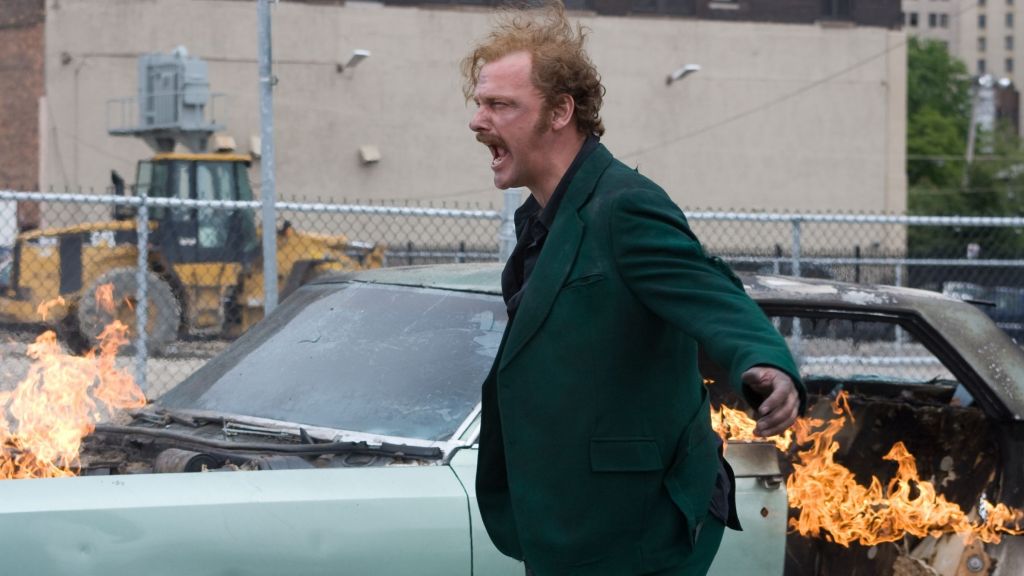
The story of Danny Greene is so absurd that Jonathan Hensleigh’s Kill the Irishman uses a documentary-style approach to make it believable on screen. Based on retired Cleveland police chief Rick Porrello’s book To Kill the Irishman: The War That Crippled the Mafia, which details the union corruption and the biker gang alliances, while also compiling all the information available in public record about the mob-related crimes in Cleveland. The film stars Ray Stevenson as Danny Greene, an Irish-American dockworker turned union enforcer who built his own criminal operation and then survived a string of assassination attempts during a turf war with Cleveland’s Italian mafia, a conflict violent enough to earn the city the nickname “Bomb City, USA” in the national press. The film’s broad arc, tracking Greene’s rise from the docks into open war with mob figures like loan shark Shondor Birns (Christopher Walken), holds up against Porrello’s research and the contemporaneous newspaper coverage of the period.
Kill the Irishman takes some liberties. It dates Birns’ car-bombing death to March 8, 1975, when the real killing happened on March 25 of that year. More significantly, the movie shows Greene personally murdering his own associate, Art Sneperger (Jason Butler Harner), after discovering he had turned informant, when in reality Greene’s involvement in Sneperger’s death was never proven and remains speculation. Greene’s own assassination by car bomb outside a Lyndhurst dental office in October 1977, on the other hand, is rendered with real precision, right down to the detail that he had just left an appointment. Kill the Irishman gets the big moments right while resolving the murkier details with more certainty than the historical record actually allows.
3) Casino
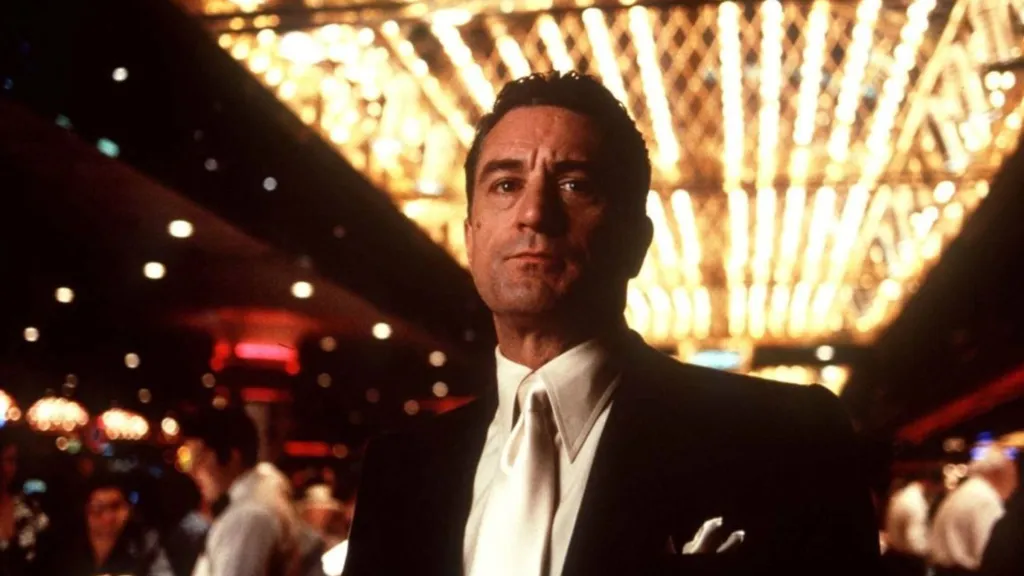
In 1995, Martin Scorsese and journalist Nicholas Pileggi worked together to adapt Pileggi’s book Casino: Love and Honor in Las Vegas, a detailed investigation of the mafia’s operations in Las Vegas, often through casinos. In the movie, Robert De Niro plays Sam “Ace” Rothstein, based directly on Frank “Lefty” Rosenthal, the unlicensed casino boss who ran Las Vegas’s Stardust, Fremont, and Hacienda on behalf of the Chicago Outfit. Meanwhile, Joe Pesci’s Nicky Santoro corresponds to Rosenthal’s childhood friend and mob enforcer Anthony “Tony the Ant” Spilotro, while Sharon Stone’s Ginger McKenna is drawn from Rosenthal’s ex-wife, Geri McGee. In addition to changing names, Universal’s legal department required Scorsese to invent a fictional casino, the Tangiers, rather than name Rosenthal’s actual employers, though the production filmed inside the real Riviera to preserve the setting’s authenticity.
Whoever watched Casino might question how much of it is true, but several of the film’s most outlandish-seeming scenes come straight from the public record. For starters, Rosenthal really did survive a car bombing meant to kill him, saved by a metal plate installed under the driver’s seat. The courtroom confrontation with the Nevada Gaming Control Board, where Rothstein loses his composure while fighting for a license, also mirrors a real hearing chaired by board chairman and future U.S. Senate Majority Leader Harry Reid, who ultimately denied Rosenthal’s application. Finally, Geri McGee’s 1982 death from a drug overdose in a Los Angeles motel, dramatized as Ginger’s undoing at the end of the film, matches the coroner’s actual findings. Between Spilotro’s murder and burial in an Indiana cornfield, and the courtroom fireworks, Casino sticks close to Pileggi’s reporting to prove reality can be even stranger than fiction.
2) Goodfellas
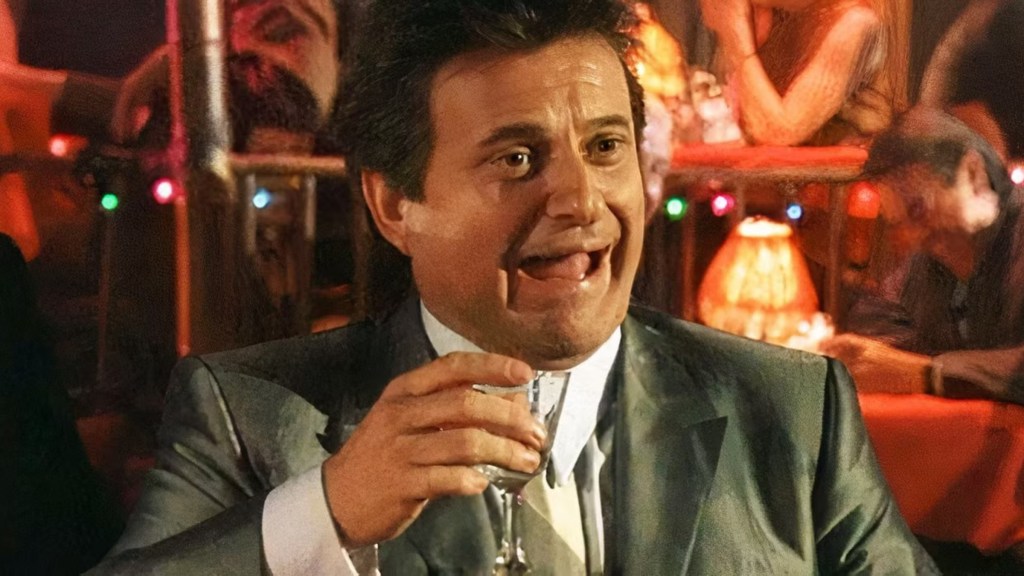
Martin Scorsese’s Goodfellas is frequently cited as one of the greatest mob movies ever made, and part of the reason for its critical appraisal comes from the director’s almost pathological commitment to historical truth. The screenplay by Nicholas Pileggi and Scorsese is based directly on Pileggi’s book Wiseguy, which was the product of exhaustive access to Henry Hill (Ray Liotta in the movie), a former associate of the Lucchese family. Unlike stories built on a single testimony, however, Hill’s account was heavily corroborated by the federal prosecutors, FBI agents, and police detectives who spent years building cases against the men portrayed on screen. The variety of sources gives Goodfellas depth, helping Scorsese to build a story that is true in its major beats, from the specifics of the Air France heist at JFK to the body disposal methods in the aftermath of Billy Batts’ (Frank Vincent) murder.
Goodfellas‘ accuracy extends beyond the major plot points to the minutiae of mafia life. The infamous “shinebox” confrontation with Billy Batts and the anxiety of the “scores” drying up all match the recollections of multiple figures from that era, from former mobsters to police officers. Much of the film’s narration also stays close enough to Hill’s own words that Liotta prepared by listening to Pileggi’s actual interview tapes with Hill. Robert De Niro took a similar approach with Jimmy Conway, the character standing in for real Lucchese associate Jimmy Burke, using Pileggi’s notes and expertise to learn gestures and speech patterns. While the timeline of certain events is compressed for cinematic pacing, and some names were changed for legal reasons, Goodfellas is still an impressive adaptation that shows organized crime was, before anything else, a full-time job with terrible retirement benefits.
1) Donnie Brasco

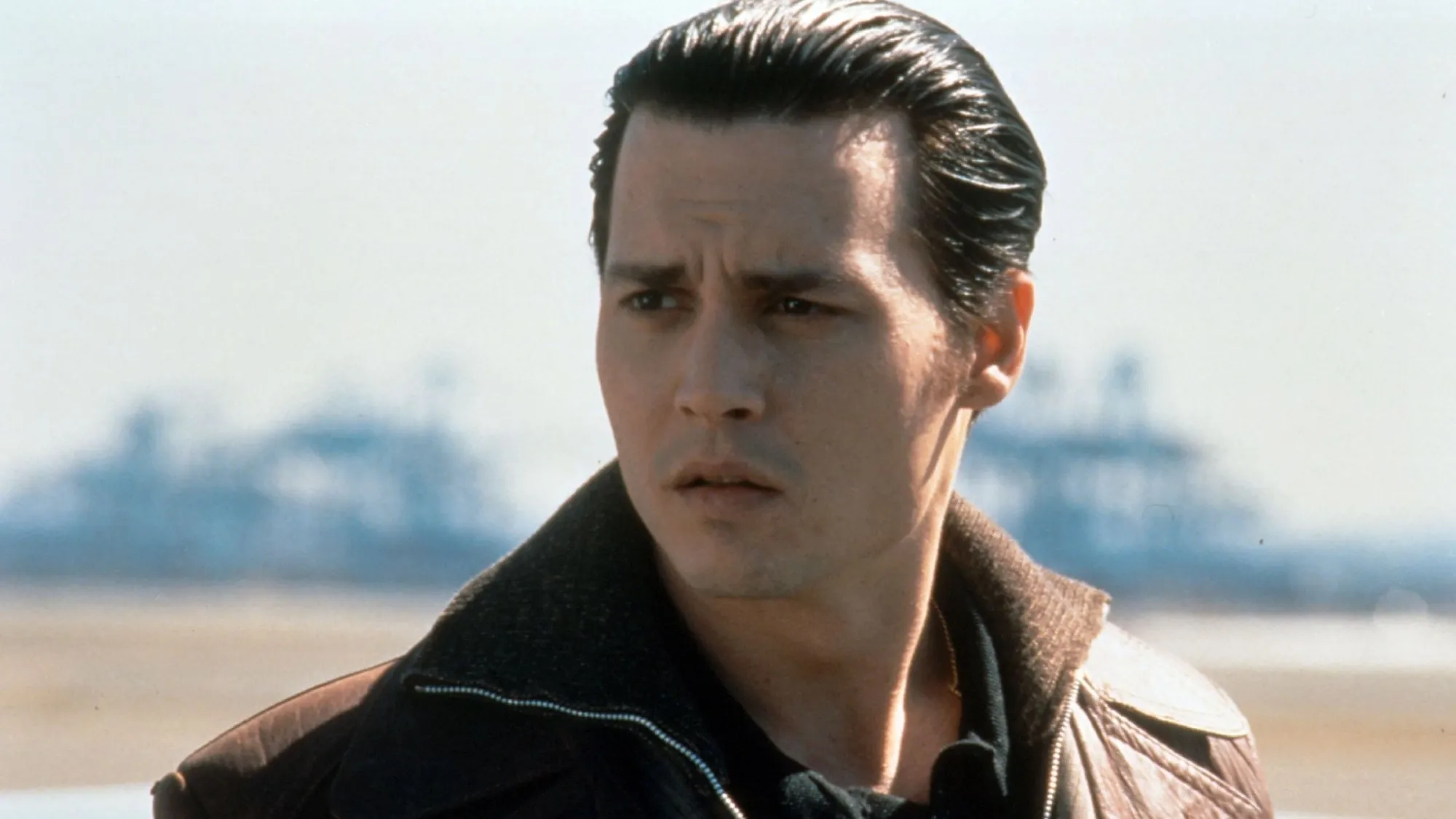
Before the late 1970s, the FBI relied almost entirely on outside informants to build cases against the American Mafia. Agent Joseph D. Pistone changed the history of law enforcement by becoming the first agent to completely erase his own identity and live entirely inside the Bonanno crime family. Pistone’s operation, which ran from 1976 to 1981, produced more than two hundred indictments and roughly one hundred convictions, work credited with dealing a lasting blow to organized crime in New York. Mike Newell’s Donnie Brasco, released in 1997, adapts Pistone’s memoir by focusing on the absolute terror of his deep-cover existence, explaining how the daily performance of being a ruthless gangster eroded his actual marriage and sense of self. That’s why Donnie Brasco features Johnny Depp portraying Pistone as a man slowly suffocating under the psychological weight of his alias, instead of an action hero.
Donnie Brasco also achieves its historical accuracy by stripping away the glamour of the underworld through the character of Benjamin “Lefty” Ruggiero (Al Pacino). Rather than a wealthy, untouchable Godfather, Lefty is depicted as an aging, perpetually broke hitman who operated as a low-level middle manager in a deadly business. Pistone survived by exploiting Lefty’s desperate need for a protégé, and the movie refuses to shy away from the crushing guilt of that dynamic. While most gangster movies lean on the glamour of a life of wealth, Donnie Brasco focuses on the rigid hierarchy and the hard work needed to keep the organization alive, often without the resources reserved for the high echelon of the mafia. That level of realism was also possible because Pistone himself was brought in as a consultant, meaning very little was dramatized for the movie.







Leave a Reply