
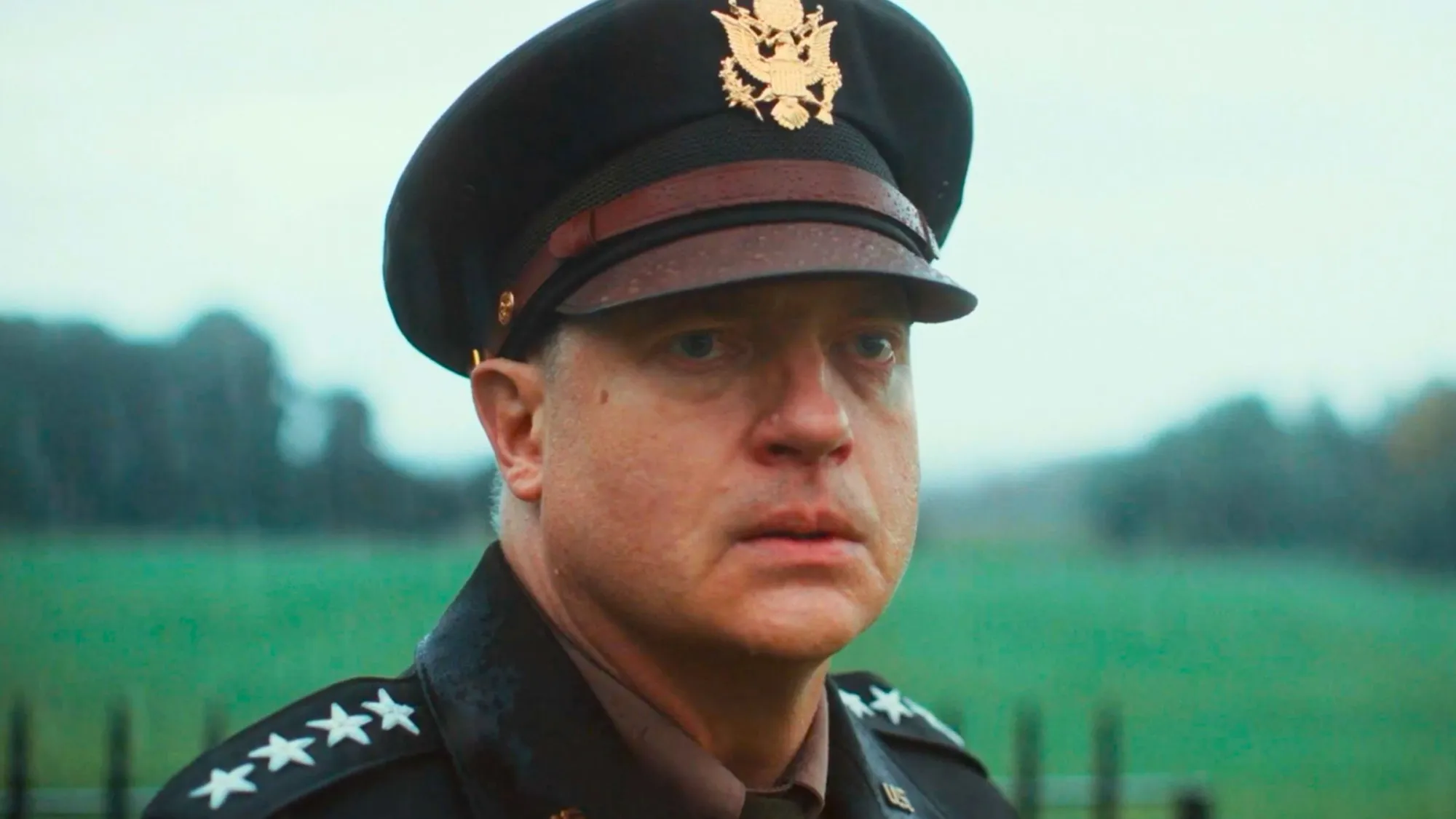
Some war movies usually end up in the same conversation, since they’re the ones that really shaped how people see the genre today, like Saving Private Ryan, Dunkirk, Apocalypse Now, Schindler’s List, among others. The problem is that this also created a kind of filter, where anything that doesn’t fit into that group tends to be left out — even when it has great ideas, interesting stories, or different approaches. Because of that, a lot of films fell into a kind of forgotten limbo or aren’t even known in the first place. In this genre, it’s hard to compete for attention with the heavy hitters, but give one of these lesser-known films a shot and you’ll still get an experience that’s just as strong.
With that idea of stepping outside the usual circuit, here are a few war movies you don’t really see people talking about much, which is unfair, but still worth every second of your time. They ended up getting pushed aside for not being more of the same, but that’s exactly why they should matter more within the genre.
5) The Six Triple Eight

War movies usually tend to show the frontline with their characters, but there are a few that try to explore something different and even more interesting, like The Six Triple Eight, which has a story taking place far away from the battlefield. It follows the 6888th Central Postal Directory Battalion, a group of Black women sent to Europe during World War II with the mission of clearing out a massive backlog of mail that never reached the soldiers. Totally different from the usual, right?
And okay, for some people, it’s a plot that might sound less exciting and maybe even a bit boring to follow, but the film finds its strength exactly in how it shows the obstacles these women faced within the very institution they were supposed to serve. A lot of war films tell already well-known stories, and The Six Triple Eight just brings back a chapter of history that went decades without people paying attention to it. When it came out, it did get some buzz, but it was very short-lived, and today, nobody talks about it anymore.
4) The Siege of Jadotville

Think of a seriously underrated film. If you’re a war genre fan and you’ve already watched The Siege of Jadotville, you’ve probably found yourself wondering why it’s still barely talked about. Based on a true story, the movie follows a small group of Irish UN soldiers who end up surrounded by overwhelming enemy forces during the 1961 Congo Crisis. But the story is more focused on leadership, strategy, and decision-making under pressure — and that’s what gives it its identity.
Overall, The Siege of Jadotville benefits from the fact that it avoids a lot of the usual war movie clichés, choosing instead to present its characters as professionals trying to survive an impossible situation rather than turning them into those almost mythical heroes. Because of that, it’s actually pretty easy for the audience to get invested. The issue is that it premiered on streaming at a time when that platform didn’t yet have the same level of prestige it does today, which basically caused it to slip under the radar completely. And of course, it doesn’t help that it’s based on a relatively obscure conflict that most people aren’t familiar with anymore.
3) Pressure
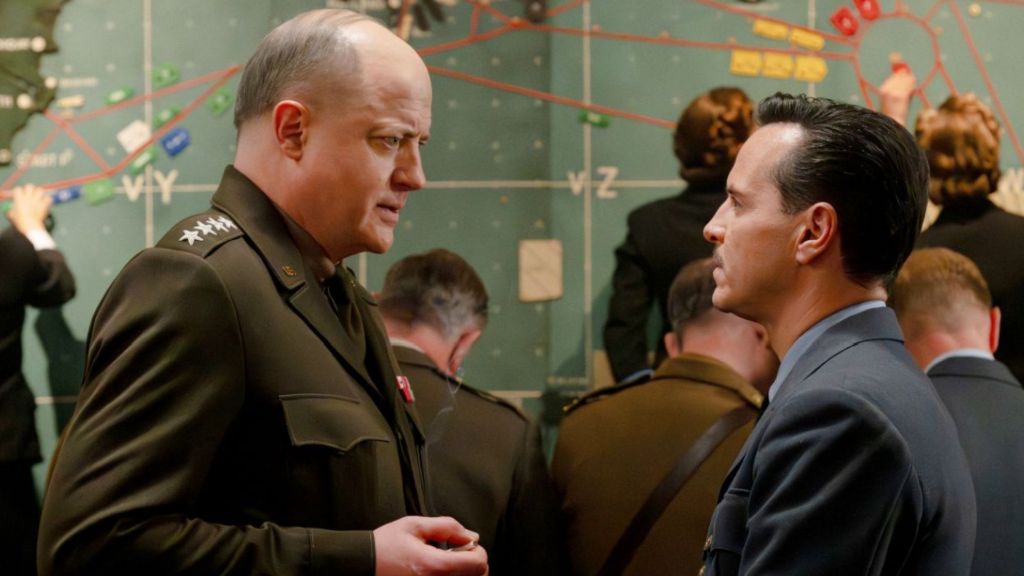
Nobody really talks about Pressure because it’s very recent and still not widely known. That said, it’s also one of the most interesting movies on this list because it takes a huge historical event like D-Day and chooses to look at it from a much less obvious angle. It focuses on the 72 hours leading up to the Normandy invasion, zeroing in on the tension between meteorologists and the Allied high command, especially between Gen. Dwight D. Eisenhower and Capt. James Stagg.
And the main idea is basically: launch the invasion or risk losing World War II? The film is essentially what nobody thought they needed to watch in this genre. And it’s genuinely a strong production from start to finish, filled with debates, charts, and weather maps. Pressure is a drama, but it also leans into political thriller territory, where everything is built on pressure and hard facts. It’s the kind of thing any war movie fan would want if they were looking for something outside the usual action-heavy formula they’re used to. The screenplay is excellent.
2) Hamburger Hill
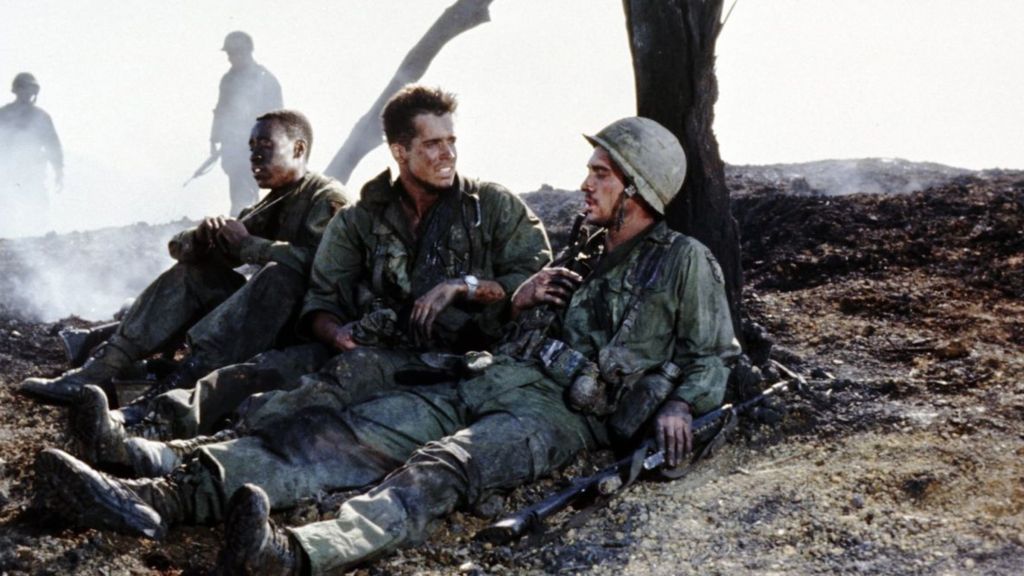
Hamburger Hill follows a group of American soldiers during the battle for Hill 937, an operation that cost countless lives and became one of the most controversial episodes of the Vietnam War. It’s a very specific moment within the broader conflict, and compared to a lot of other films that cover the same event or similar Vietnam War stories, this one stands out since it avoids any sense of glamour (and especially for an ’80s war movie, that already says a lot). What you get is a group of men being sent over and over again into a mission that becomes harder and harder to justify.
So why doesn’t anyone talk about it? Simply because it was released at a time when Platoon had just won the Oscar, Full Metal Jacket had arrived, and Apocalypse Now was already considered a landmark. Hamburger Hill, in short, is one of the biggest casualties of its own competition. But it’s still there, and it absolutely deserves to be rediscovered by war movie fans and anyone who prefers something more authentic. Much like Saving Private Ryan, it’s built on the idea of brutal simplicity in how it portrays the soldiers’ experience.
1) Gallipoli
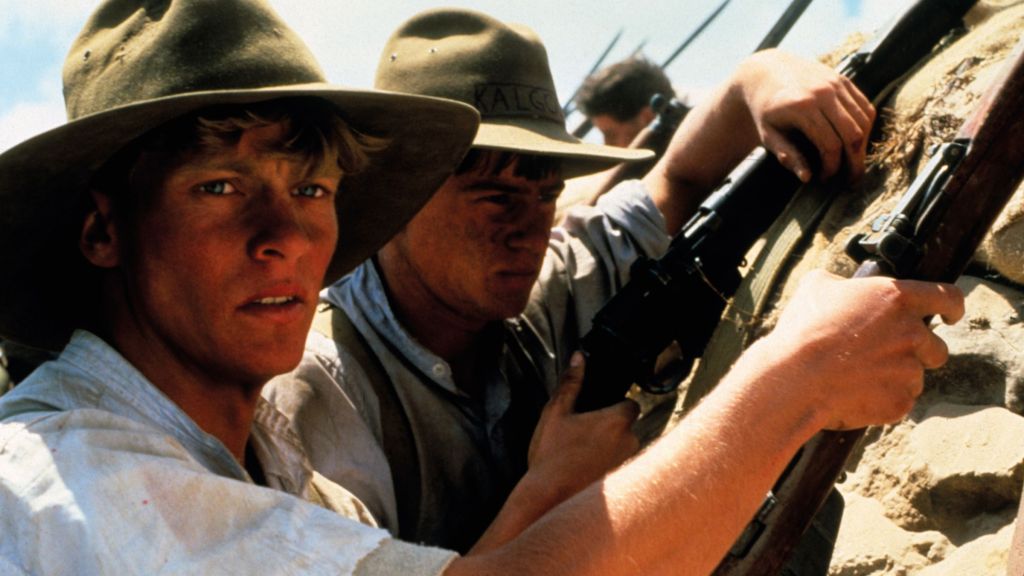
This one is really for hardcore fans, as you rarely see anyone talk about Gallipoli these days. And that’s because, despite it being a classic, it just didn’t have quite the same impact worldwide as some of its peers. The story follows two young Australians who enlist to fight in World War I and eventually get sent to the Gallipoli campaign, a military operation that went down in history for all the wrong reasons. So far, pretty straightforward, right? But the film does have a key difference.
Its biggest strength is that it spends a large part of its runtime developing the friendship between its two leads before it even reaches the actual conflict. And because of that, the war stops feeling like just a backdrop and becomes something that directly impacts characters the audience has actually grown attached to. Overall, Gallipoli works because of that approach, but on the other hand, not focusing entirely on the war itself may have cost it some points with certain people. And it’s a shame, since it’s a truly emotional movie.
What do you think? Leave a comment below and join the conversation now in the ComicBook Forum!







Leave a Reply