
When Iron Man opened in 2008, Robert Downey Jr.‘s portrayal of Tony Stark established the tone and confidence that Marvel Studios used to build more than a decade of interconnected films in the Marvel Cinematic Universe. The actor is so important to fans that Marvel Studios is even bringing Downey back for Avengers: Doomsday, casting him as Victor von Doom, a fan-favorite villain. Surprisingly, though, Iron Man was not Downey’s introduction to comic book cinema. Twenty-three years earlier, before Stark existed as a screen character, Downey appeared in a film adapted from a 1950s comic book story, a production that predates the entire superhero genre as audiences understand it today.
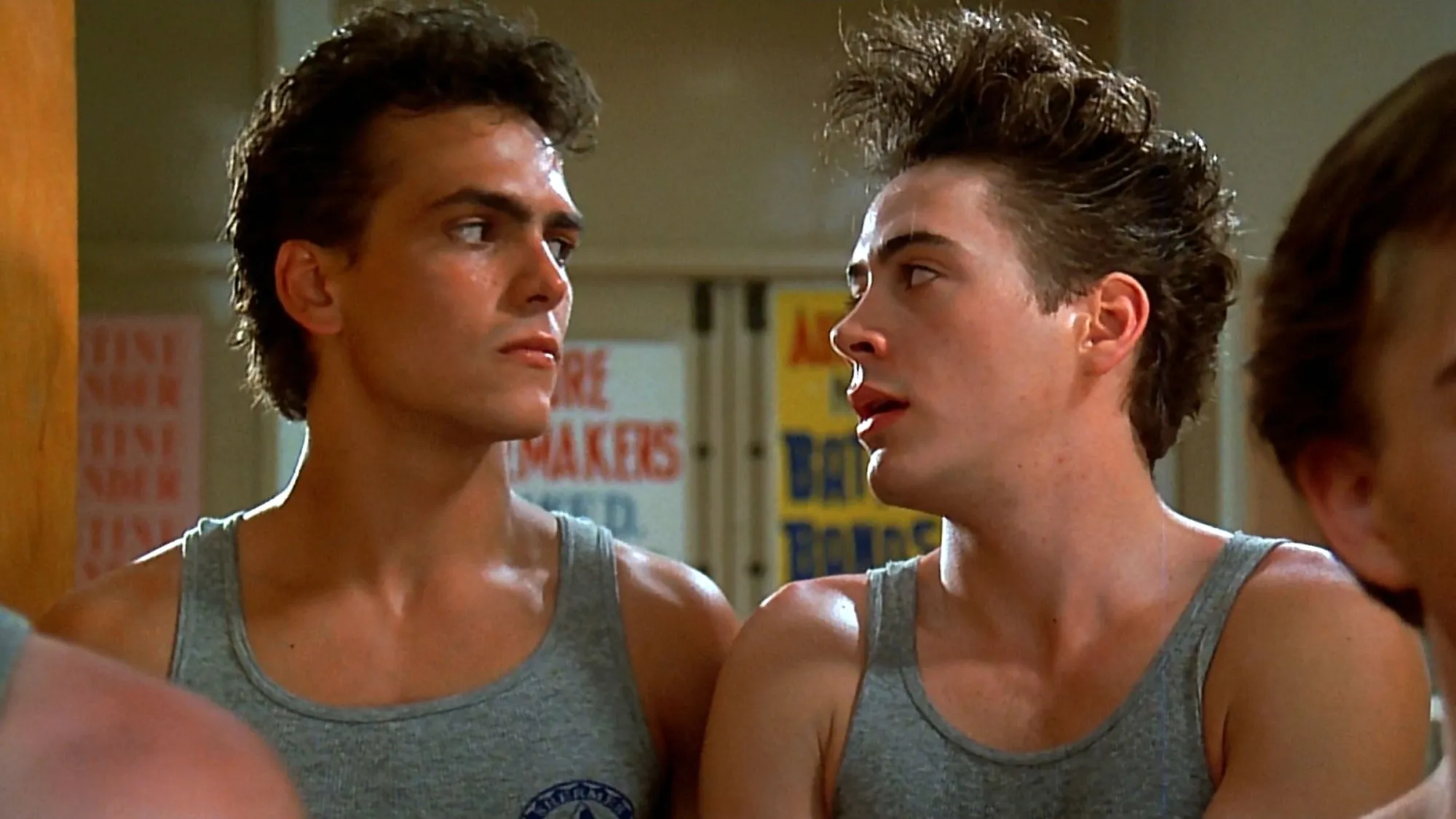
Weird Science opened in theaters on August 2, 1985, written and directed by John Hughes and produced by Joel Silver. The film adapted “Made of the Future,” a short story by Al Feldstein published in EC Comics’ Weird Science anthology in 1951, expanding its premise about a machine that manufactures an ideal companion into a full teen comedy centered on two high school outcasts who build a woman using a home computer. Downey played Ian, one of two jock antagonists who torment the film’s protagonists, Gary Wallace (Anthony Michael Hall) and Wyatt Donnelly (Ilan Mitchell-Smith), across the film’s ninety-four-minute runtime. The role was small and had no top billing, but it still makes Weird Science, not Iron Man, the actual beginning of Downey’s relationship with comic book movies.
Why Did Weird Science Become a Cult Classic?
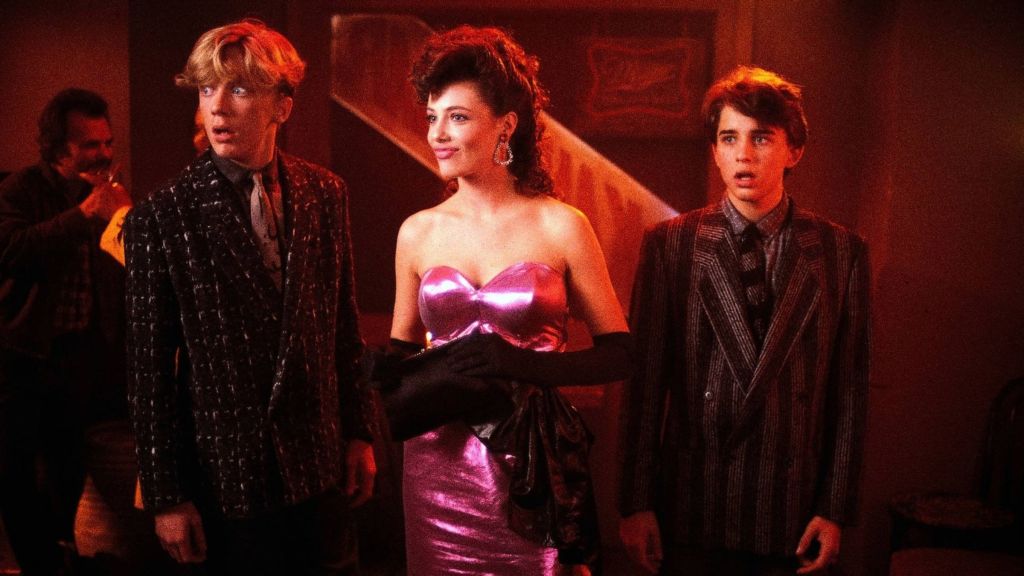
Upon its release, Weird Science divided critics and audiences alike. Coming immediately after Hughes’s The Breakfast Club, the film baffled reviewers who expected another emotionally grounded character study. Instead, they got a fantasy-comedy about two nerds who code an ideal woman into existence, a premise many dismissed as adolescent wish fulfillment with little substance. As a result, critics slammed the movie’s casual misogyny and narrative thinness, seeing Lisa (Kelly LeBrock), the artificially created woman, as a hollow male fantasy. Commercially, Weird Science didn’t flop, but it also didn’t ignite the summer, opening at number five at the box office and eventually grossing just under $39 million domestic. By Hughes’ own lofty standards, it was a step backward.
Nevertheless, the elements that made Weird Science divisive at the time became the reason for its cult longevity. Home video and endless cable replays on HBO and later Comedy Central gave a second life to what had been a theatrical afterthought. Freed from the weight of awards-season expectations that followed The Breakfast Club, viewers discovered a looser, stranger Hughes film that spoke directly to the anxieties of adolescence in the computer age. In addition, the dream-logic set pieces — which include a nuclear missile coming out of the floor and a mutant biker gang crashing a house party — were perfectly attuned to the anything-goes energy of late-night channel surfing. Oingo Boingo’s title track also kept the film’s name in rotation on MTV, while a mid-1990s cable television series adaptation ran for five seasons, introducing the premise to an entirely new generation that then sought out the source material.
Weird Science is currently available to rent or purchase on major digital platforms, including Prime Video and Apple TV. Downey returns to comic book adaptations in Avengers: Doomsday, scheduled for release on December 18th.







Leave a Reply