
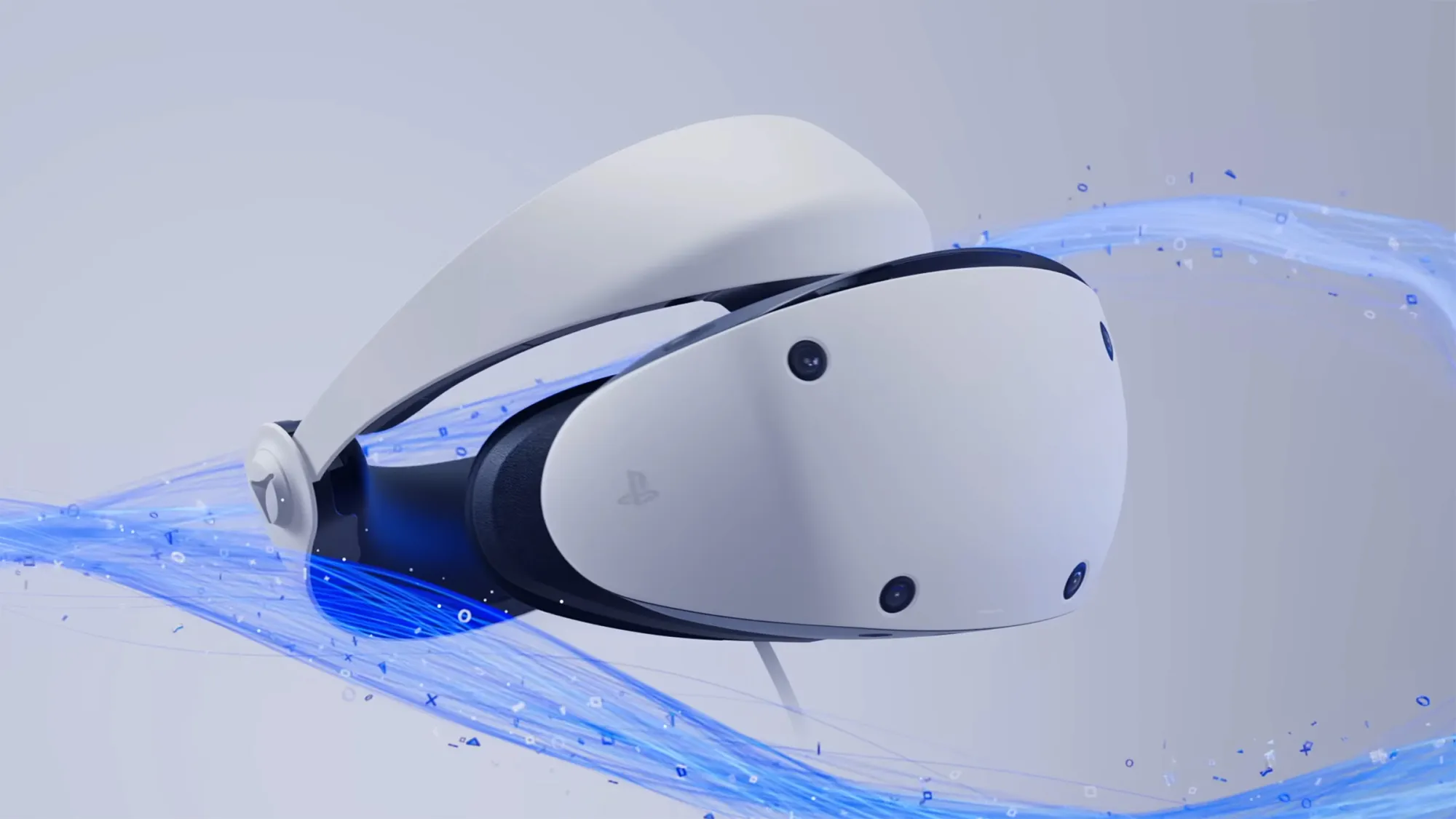
PlayStation’s support of its PSVR2 headset has been minimal since its 2023 launch. Third-party and indie developers propped up PSVR2 in PlayStation’s absence, but it wasn’t enough. And if the results weren’t clear enough of PlayStation’s neglect, the company has taken one more step in forgetting about the headset.
As spotted by Road to VR, ZDNet Korea noticed Sony had sold 43 United States patents between June and September 2026 regarding augmented reality, virtual reality, mixed reality, and head-mounted display systems to Meta. Sony had filed these patents originally between 2010 to 2022, a time frame that would cover the development of both PSVR and PSVR2. An agreement in December 2025 shows how 419 global patents are expected to jump over to Meta: 180 are from the U.S., while the other 239 are from other territories.
Sony’s VR Patent Transfer Is Yet Another Sign of it Moving On
Transferring a huge swath of patents to a big VR competitor all but signals PlayStation’s unwillingness to keep looking into VR, at least for the time being. This is not an aberration, though, as PlayStation has continually shown signs of disinterest with PSVR2 almost from the jump.
PlayStation only published three new games for PSVR2 throughout its entire lifespan: Horizon Call of the Mountain, Firewall Ultra, and My First Gran Turismo. Call of the Mountain wasn’t received well, despite its pretty visuals, and Firewall Ultra — a multiplayer tactical shooter — flopped hard enough to get its developer shut down in just four months. My First Gran Turismo was a free entry in the long-running racing series and, while not despised, it was mostly overshadowed by Gran Turismo 7, which was updated for PSVR2 support.
PlayStation never even remastered or ported over hits from its previous headset like Astro Bot Rescue Mission and Blood & Truth, limiting its library even more. Also Firesprite, PlayStation’s only internal studio with a ton of VR experience, is working on Until Dawn 2, once again showing how the publisher wants to move on from PSVR2.
PlayStation partnered up with some studios in order to get some more attention to its headset, though. Numbers for these kinds of deals aren’t often public, but a massive data leak at Capcom revealed PlayStation gave the Resident Evil publisher $5 million to put Resident Evil 7: Biohazard on PSVR. It is unconfirmed but entirely possible similar deals were made for the VR modes in Resident Evil Village and the Resident Evil 4 remake. Resident Evil Requiem never received an official VR mode and, at this rate, it likely won’t ever get one, especially one funded by PlayStation. It’s unknown how many of these types of agreements PlayStation made with other teams.
The PSVR2 PC adapter PlayStation announced in June 2024 was yet another demonstration of PlayStation’s unwillingness to support the headset any longer. The box allowed players — once they had all the right cables, an adequate Bluetooth signal, and a PC beefy enough to run VR well — to hook the PSVR2 into their PC, opening up the library quite a bit. While the move gave PSVR2 owners more freedom, it came across as PlayStation throwing in the towel and deferring to Steam’s vast library instead of doing deals with developers to get their VR games on PS5.
PSVR2’s sales numbers were likely vastly under what PlayStation needed to keep going. As of March 2024 in a Bloomberg report about the company pausing headset manufacturing, it was revealed PlayStation only made just over 2 million units, but the actual sales numbers were a mystery. For comparison, it took the first PSVR headset three years to sell 5 million units. PSVR2’s high price — it was $549.99, $50 more than the console at the time — and weak future likely dissuaded players from picking up the headset, despite its stunning screen and fancy eye-tracking tech.
VR development in general is also in a pretty dire state, too, as big VR teams like Polyarc, Mighty Coconut, and Cloudhead Games — behind hits like Moss, Walkabout Mini Golf ,and Pistol Whip, respectively — have either had to undergo layoffs or shut down entirely. Meta has also closed other VR studios, as well, such as Ready At Dawn, Twisted Pixel Games, Sanzaru Games, and Armature Studio and laid off developers at Camouflaj Studios.
As of now, PSVR2 games are still coming to the PlayStation Store, a lineup exclusively being buoyed by third-party developers and indie teams. It has a small yet dedicated base of players. Impact Inked, a publisher known for VR games, has even taken notice of this hardcore crowd with its “Unlock the Vault” initiative it announced in August. It is porting over a slew of mystery games to PSVR2, so while PlayStation has all but given up on VR, some are still trying to make the most of the headset.
Should PlayStation have given PSVR2 more support? Or was it right to throw in the towel almost immediately after launch? Tell us in the comments.







Leave a Reply